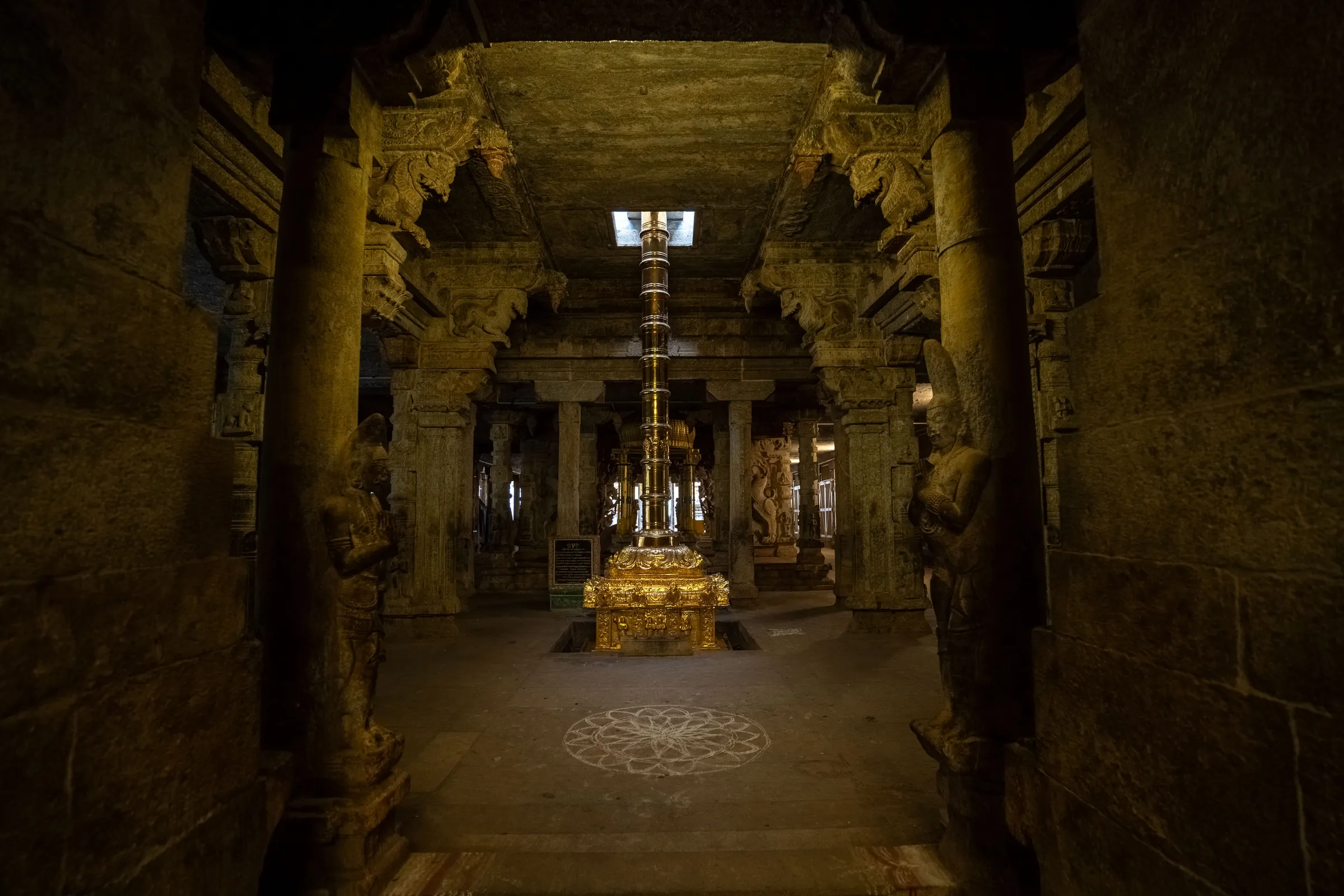
Vanamamalai Perumal Temple, photograph
← Pandya Nadu
Entry 071

Vanamamalai Perumal Temple

Nanguneri · Pandya; later Travancore and Vanamamalai Mutt administration

A Vishnu temple on the Tamirabarani at Nanguneri, one of the 108 Divya Desams and one of the eight Swayambhu Kshetrams of Vishnu, where the deity is bathed daily in fragrant oils drained into a healing well.

A Vishnu temple on the bank of the Tamirabarani at Nanguneri, one of the 108 Divya Desams and one of the eight Swayambhu Kshetrams. Begun under the Pandyas and later held by Travancore and the Vanamamalai Mutt, it is known for the daily oil-bath of its deity and the healing well that receives the oil.

The photographs

Plates · 9

Vanamamalai Perumal Temple, photograph
© Sai Sanjay Prasath · All rights reserved
Vanamamalai Perumal Temple, photograph
© Sai Sanjay Prasath · All rights reserved
Vanamamalai Perumal Temple, photograph
© Sai Sanjay Prasath · All rights reserved
Vanamamalai Perumal Temple, photograph
© Sai Sanjay Prasath · All rights reserved
Vanamamalai Perumal Temple, photograph
© Sai Sanjay Prasath · All rights reserved
Vanamamalai Perumal Temple, photograph
© Sai Sanjay Prasath · All rights reserved
Vanamamalai Perumal Temple, photograph
© Sai Sanjay Prasath · All rights reserved
Vanamamalai Perumal Temple, photograph
© Sai Sanjay Prasath · All rights reserved
01

Architectural

structure & vocabulary

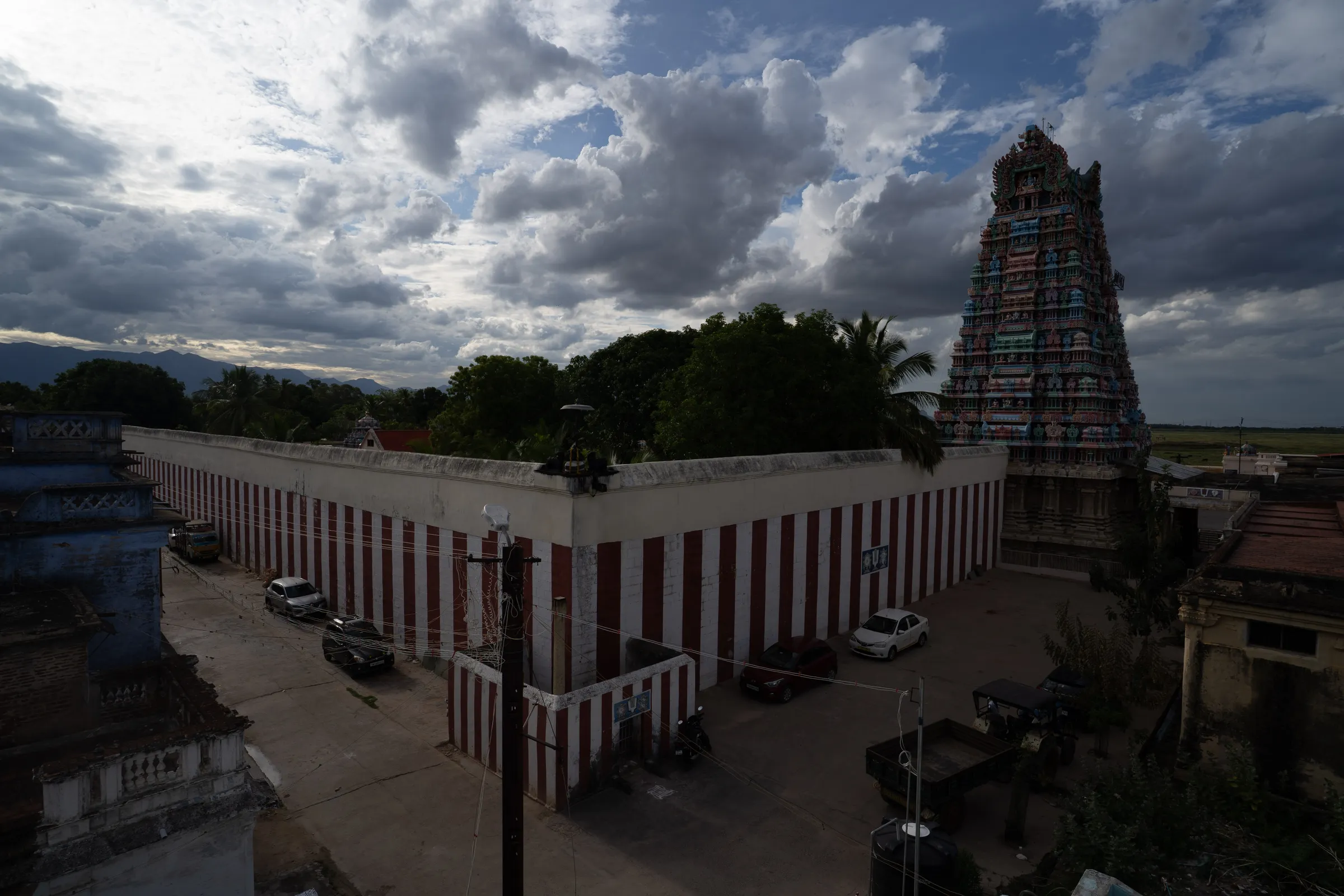
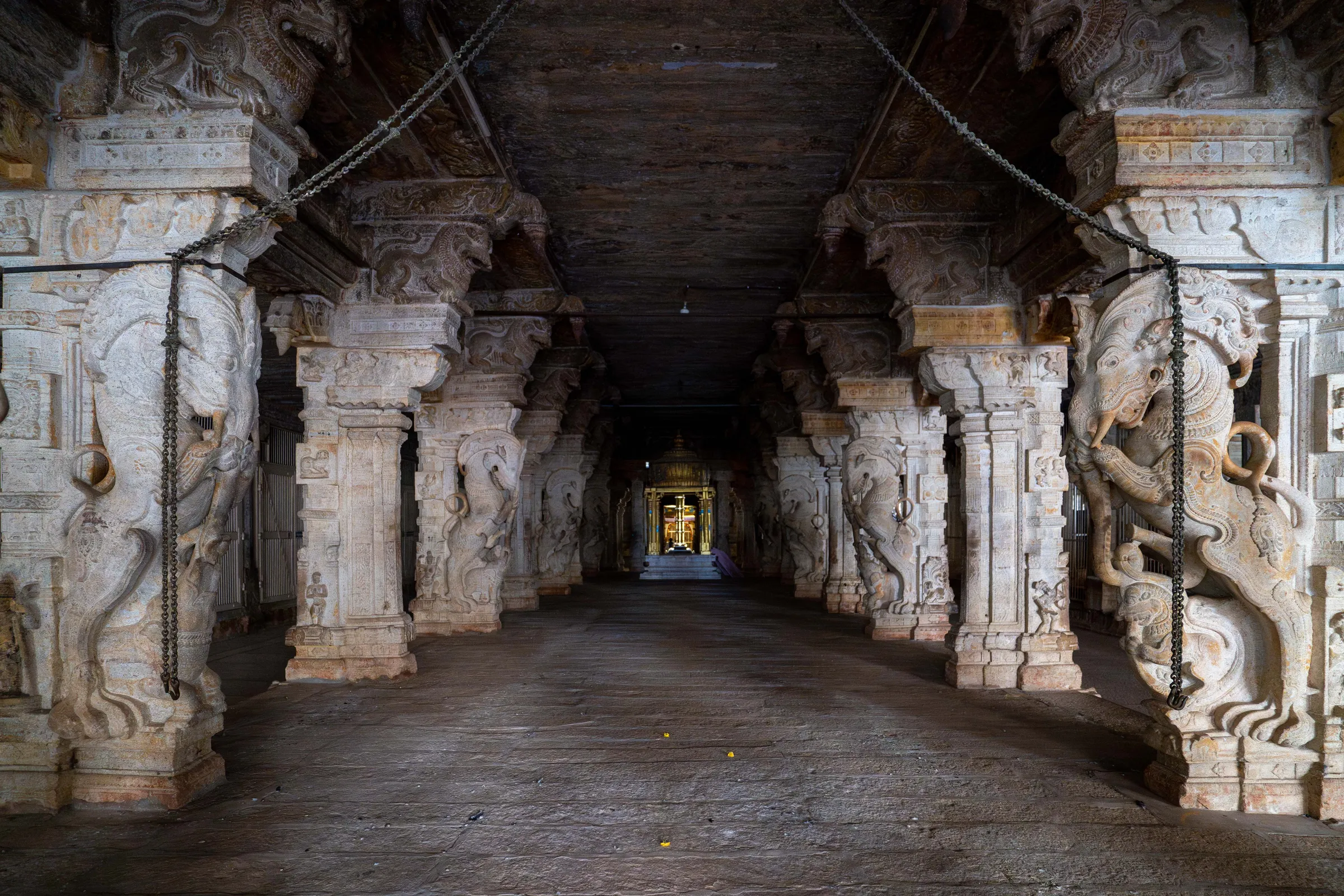
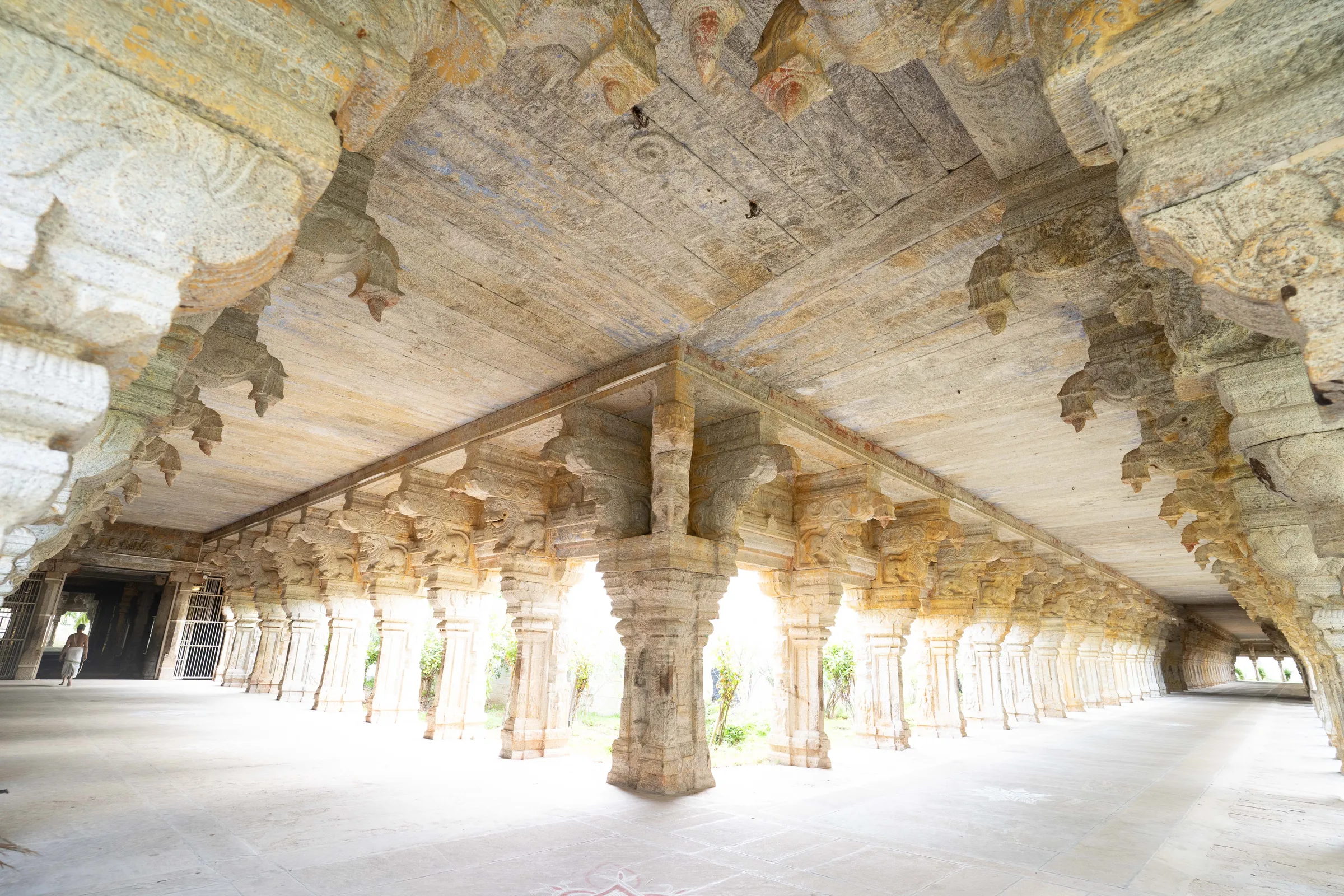
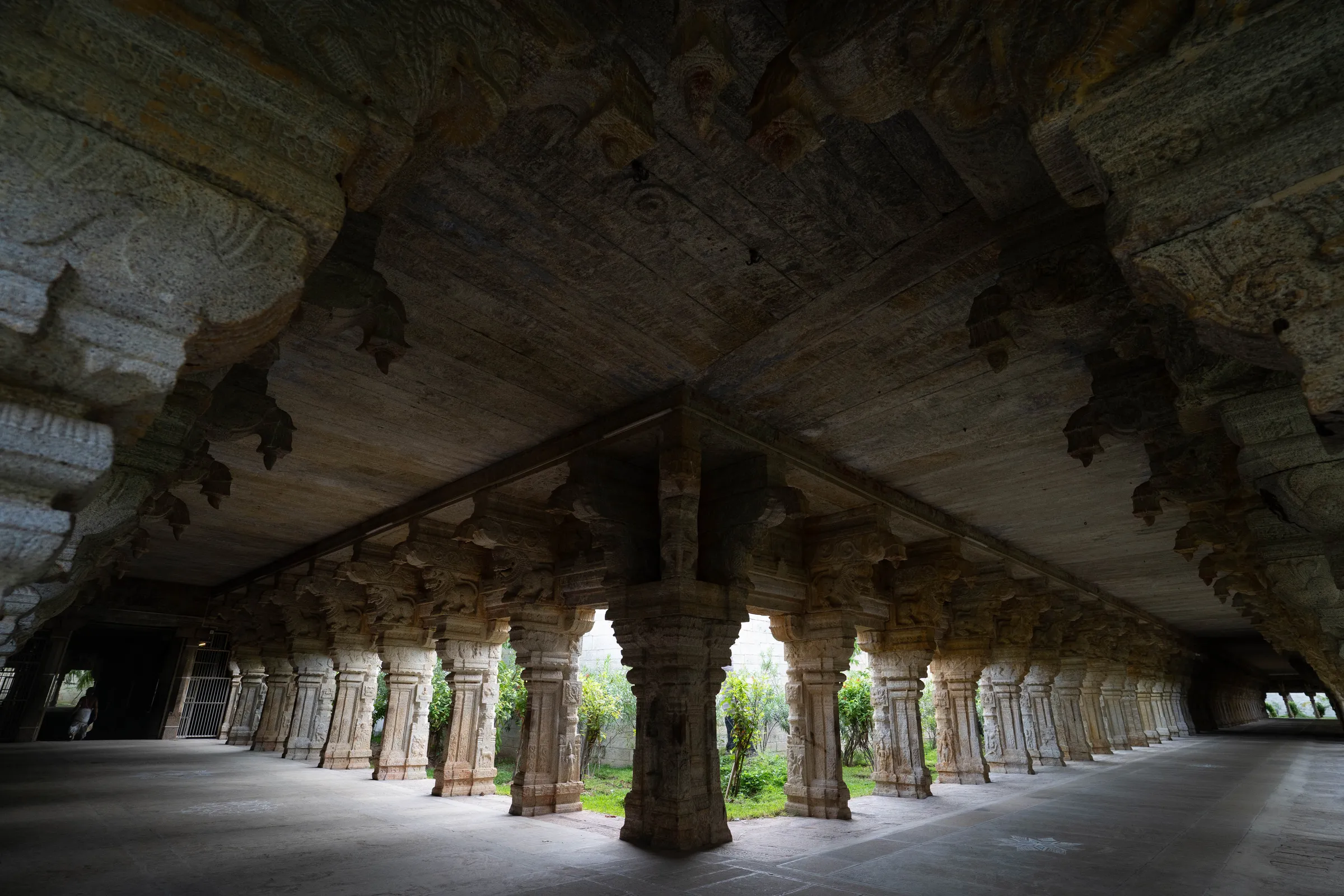
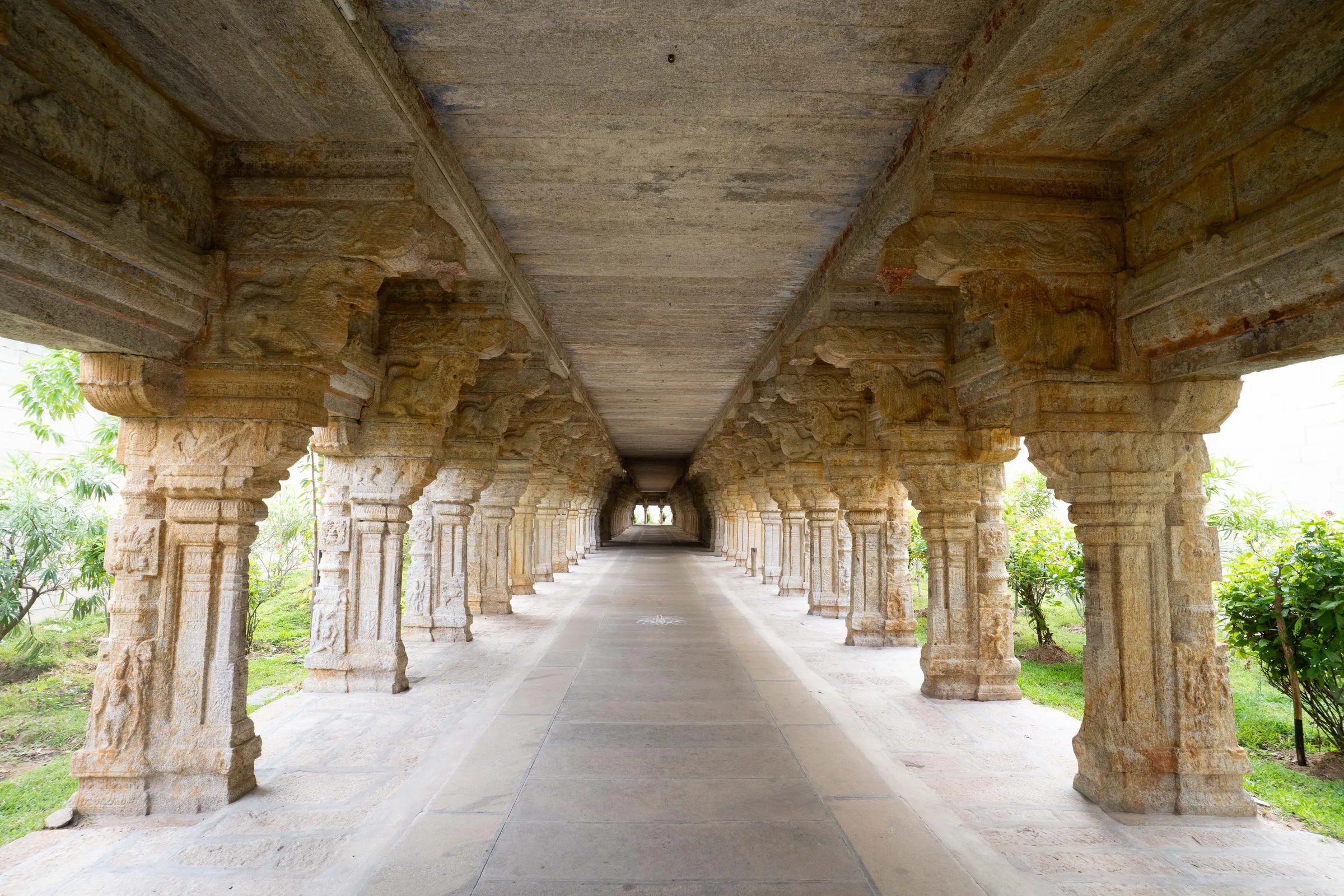
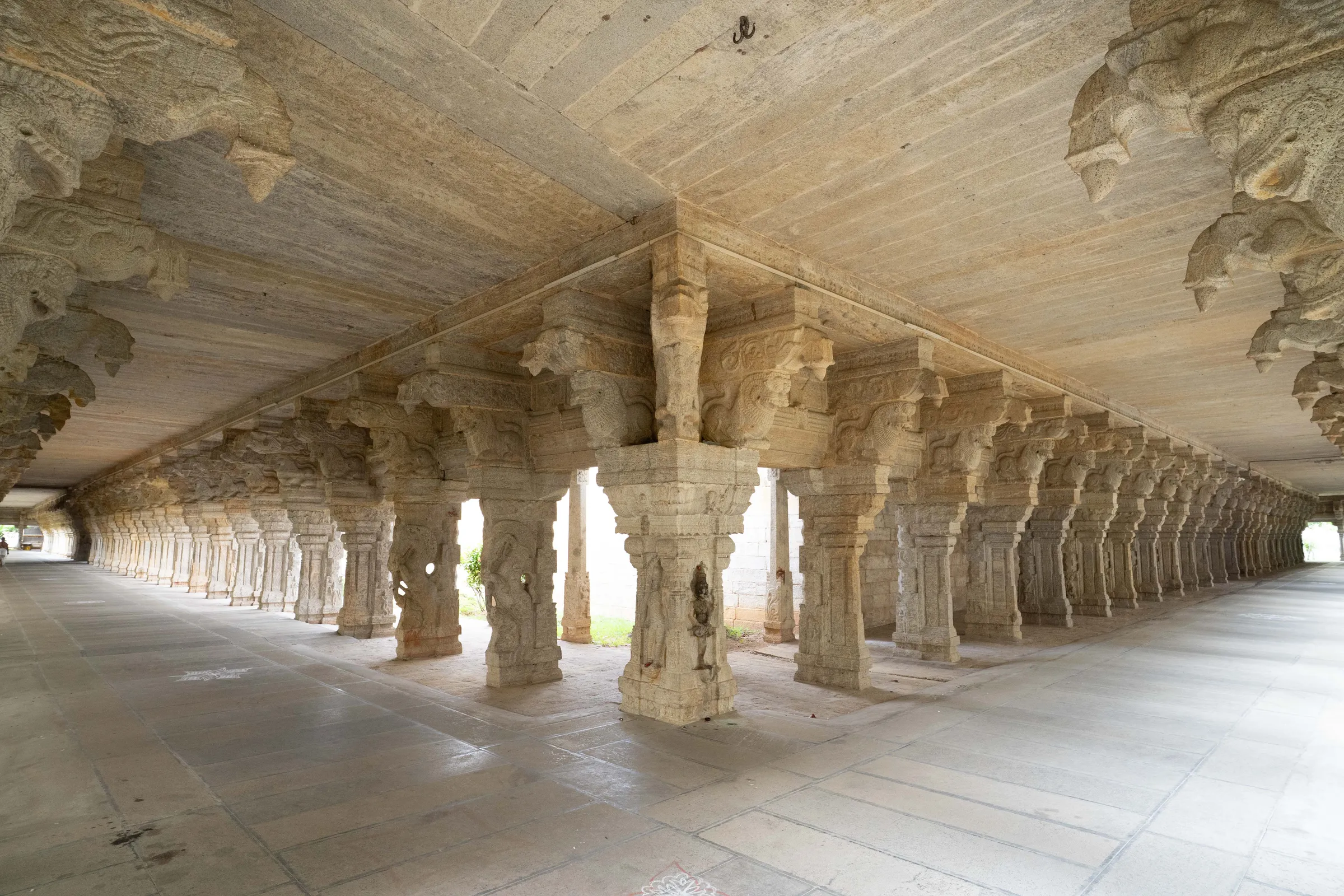
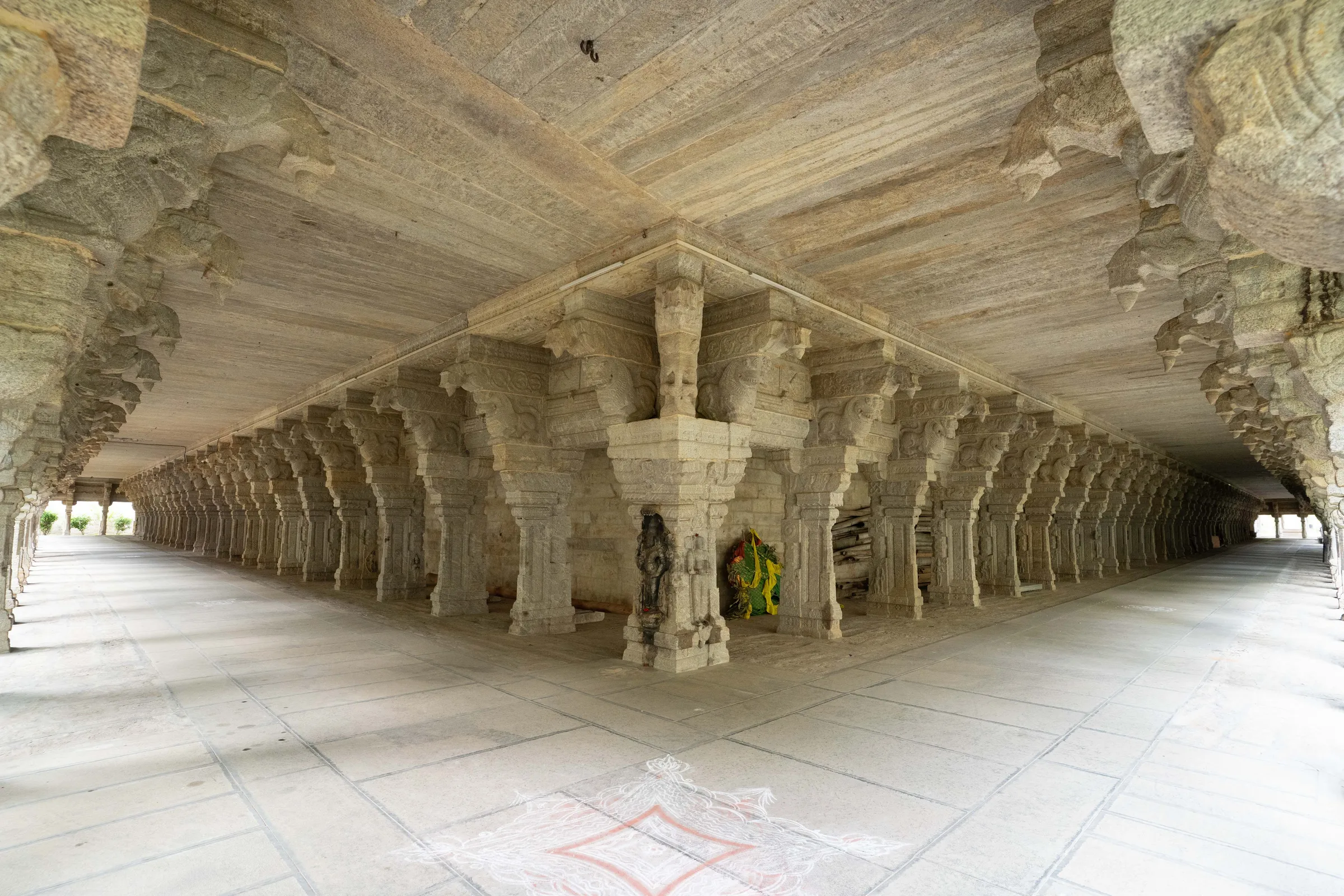
Vishnu is seated on Adisesha with his consorts Sridevi and Bhudevi at his sides, a composition the book calls unique and breathtaking, surrounded by attendant figures. The processional deity is Deiva Nayaga Perumal. The temple has a five-tiered gopuram, with a Pandal Mandapa of many pillars at the entrance; the sanctum lies past the Ardha Mandapa and the Maha Mandapa. There are two closed precincts and one open precinct, with the Thayar shrine set in the second precinct.

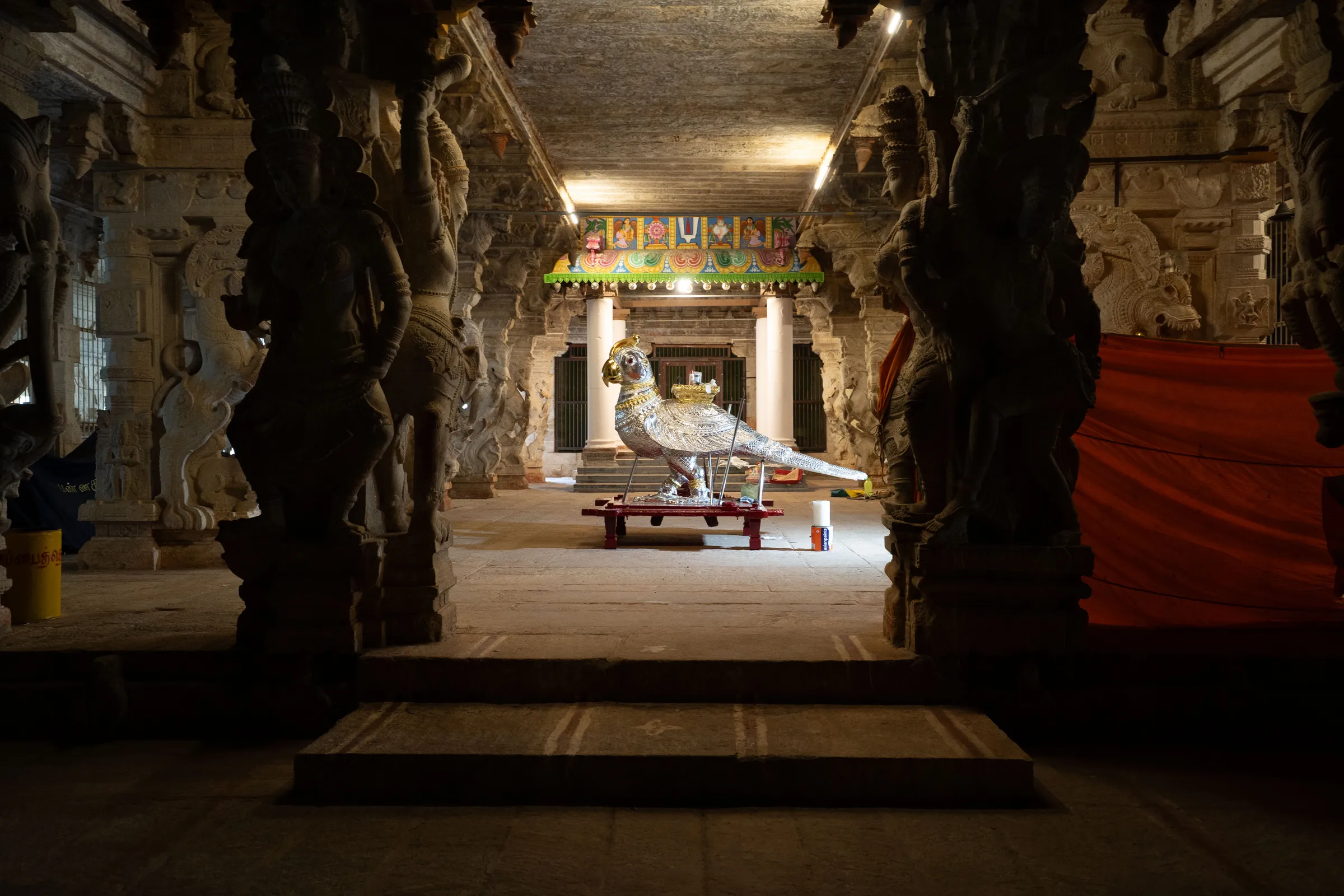
A festival hall facing south has carved pillars with sculptures from various legends and Puranas, the most noteworthy being Bhima fighting a Purushamriga, a theme common in 17th-century sculpture of this region and likely drawn from a popular drama. Another hall carries small sculptures of the avatars of Vishnu. A few sculpture panels are set into the main shrine's wall, one of Mahishasura-mardhini particularly fine, and these may have come from another temple.

02

Archaeological

dated & cited

The earliest inscription is from 1236 CE, recording a gift from Sundara Pandya I on Adi Pooram. An inscription of 1275 CE under Kulothunga I mentions tax collection in the region. The east gopuram inscription records a gift of land by Sundara Pandya II in 1284 CE, and the second precinct's eastern wall records money donated to the sculptor Sadagopar in 1305 CE.

After the Vijayanagara rulers the temple passed to the care of the Travancore rulers. In 1447 CE its administration came under the Vanamamalai Mutt, and the Namboodri priests were replaced by Tirupati priests. Local disputes were settled with the help of the Nayaka rulers in the 17th century. In 1794 CE the Carnatic Nawab Abdul Umra endowed land to the temple. The Vanamamalai Mutt, traced to the disciples of Manavala Mamunigal, still administers the temple; its pontiff is called the Jeeyar, and some personal artefacts of Manavala Mamunigal are kept here.

03

Mythological

as transmitted

The temple is one of the 108 Divya Desams and one of the eight Swayambhu Kshetrams of Vishnu. The Lord is said to have appeared here as Vanamamalai, or Totathrinadha Perumal, to Adisesha the serpent and to Garuda his mount. Nammalvar hailed this Divya Desam and wrote his first verse on Saranagadhi, surrender, about this temple.

Though Vishnu is usually Alankara Priyar, one who likes adornment, here Vanamamalaiyar is an Abhisheka Priyar like Shiva, one who likes ablution. Abhishekam is a daily ritual: the image is bathed in a fragrant mix of oils that drains into a well, the ennai kinaru, the oil taken as prasadam and believed to heal skin and stomach ailments.

Register interest in prints Buy the book
Improve this entry

This is an open, reviewed record. If you have spotted an error or have something to add — a correction, a date, a source, a name in another script — propose it. Every change is reviewed before it joins the record.

“Suggest an edit” opens this entry on GitHub and turns your change into a pull request. “Share feedback” opens a short form. Both go through review.