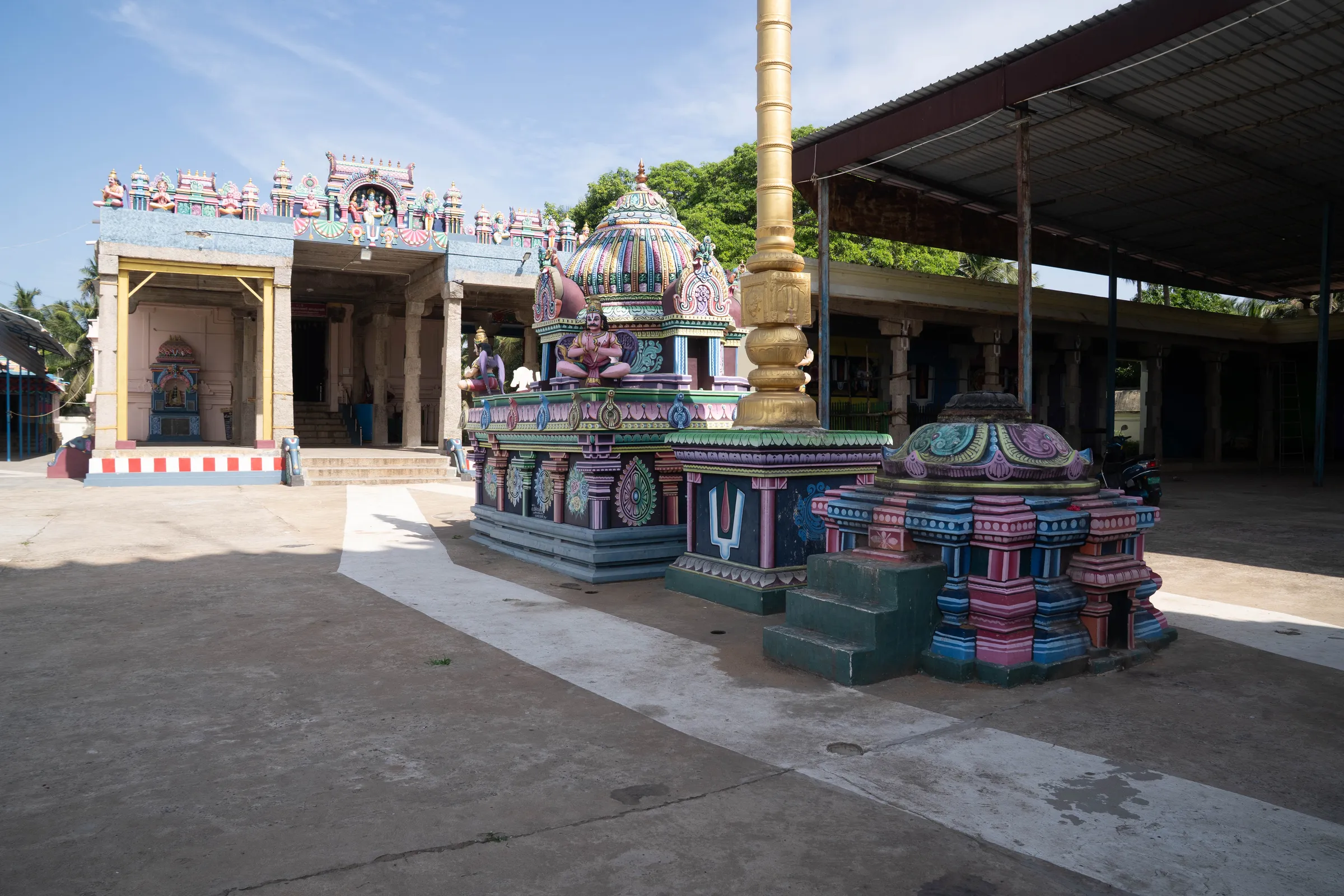
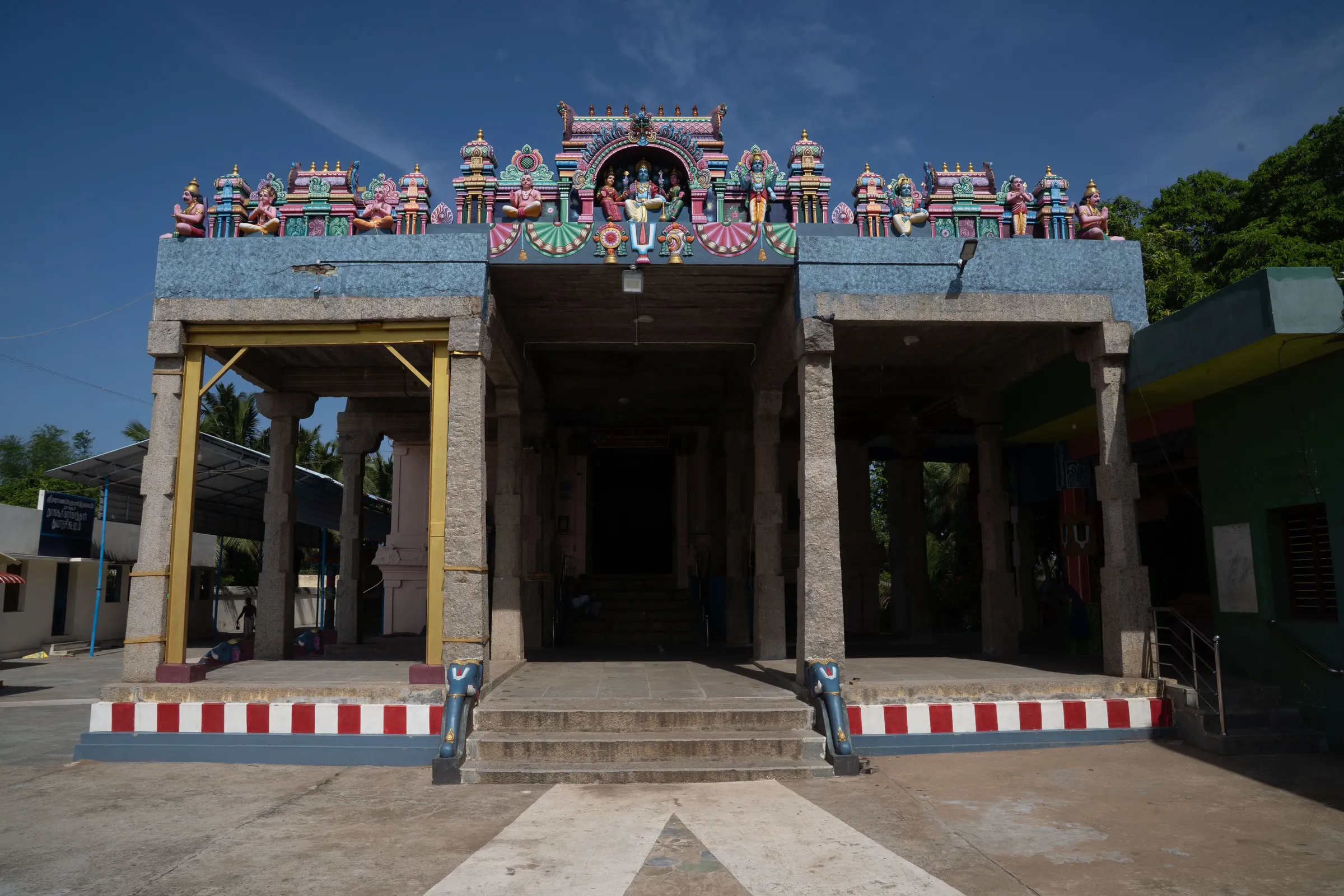
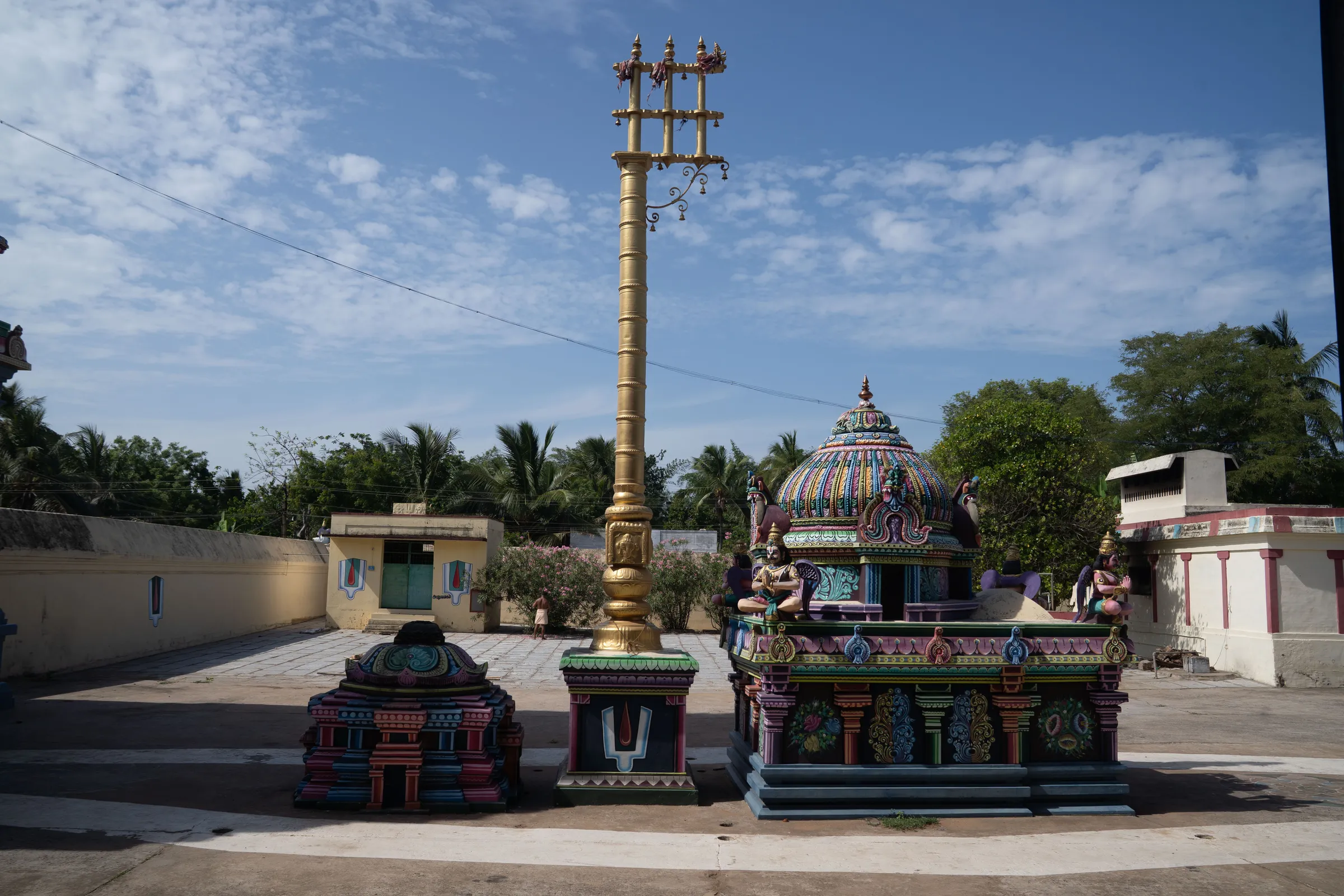
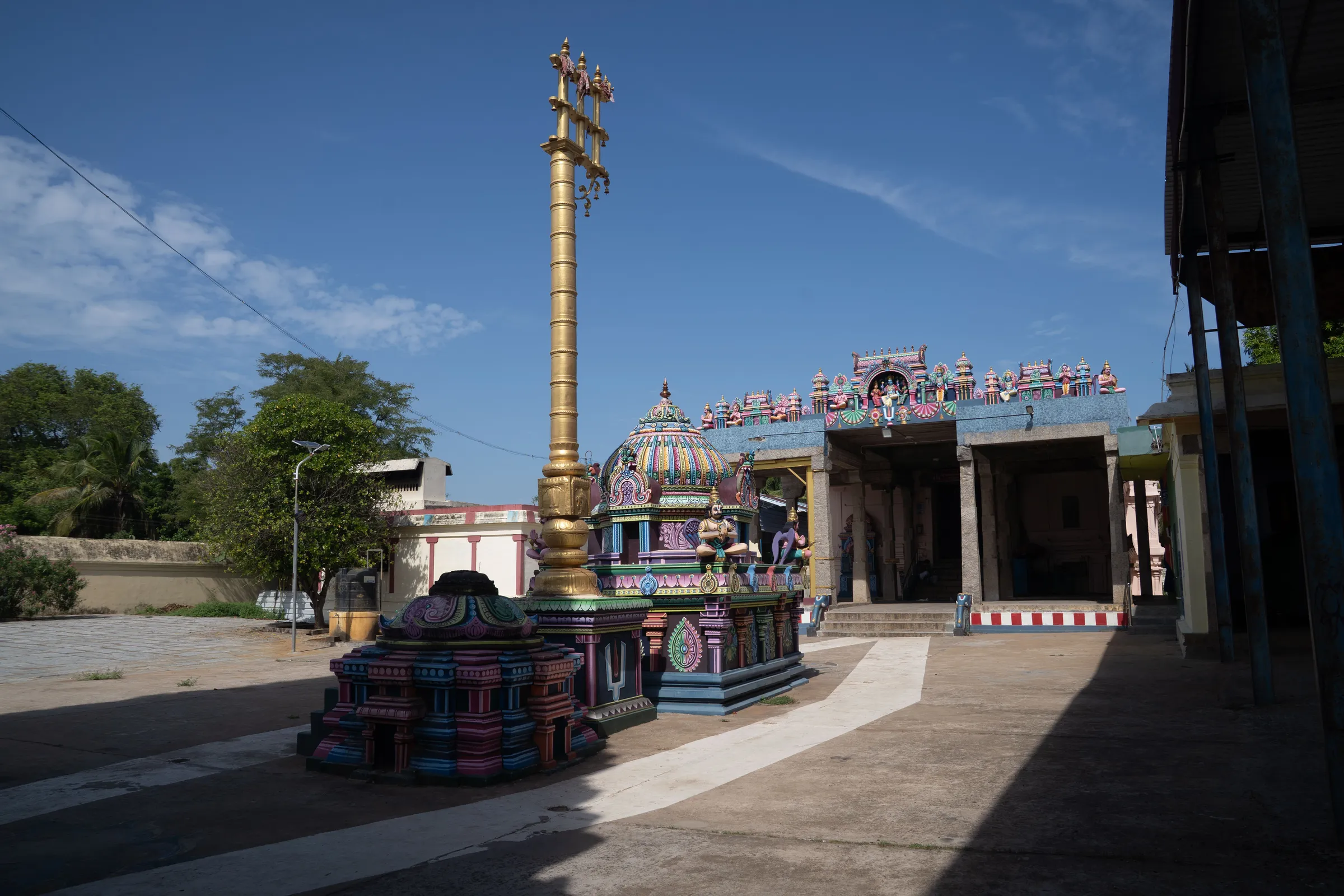
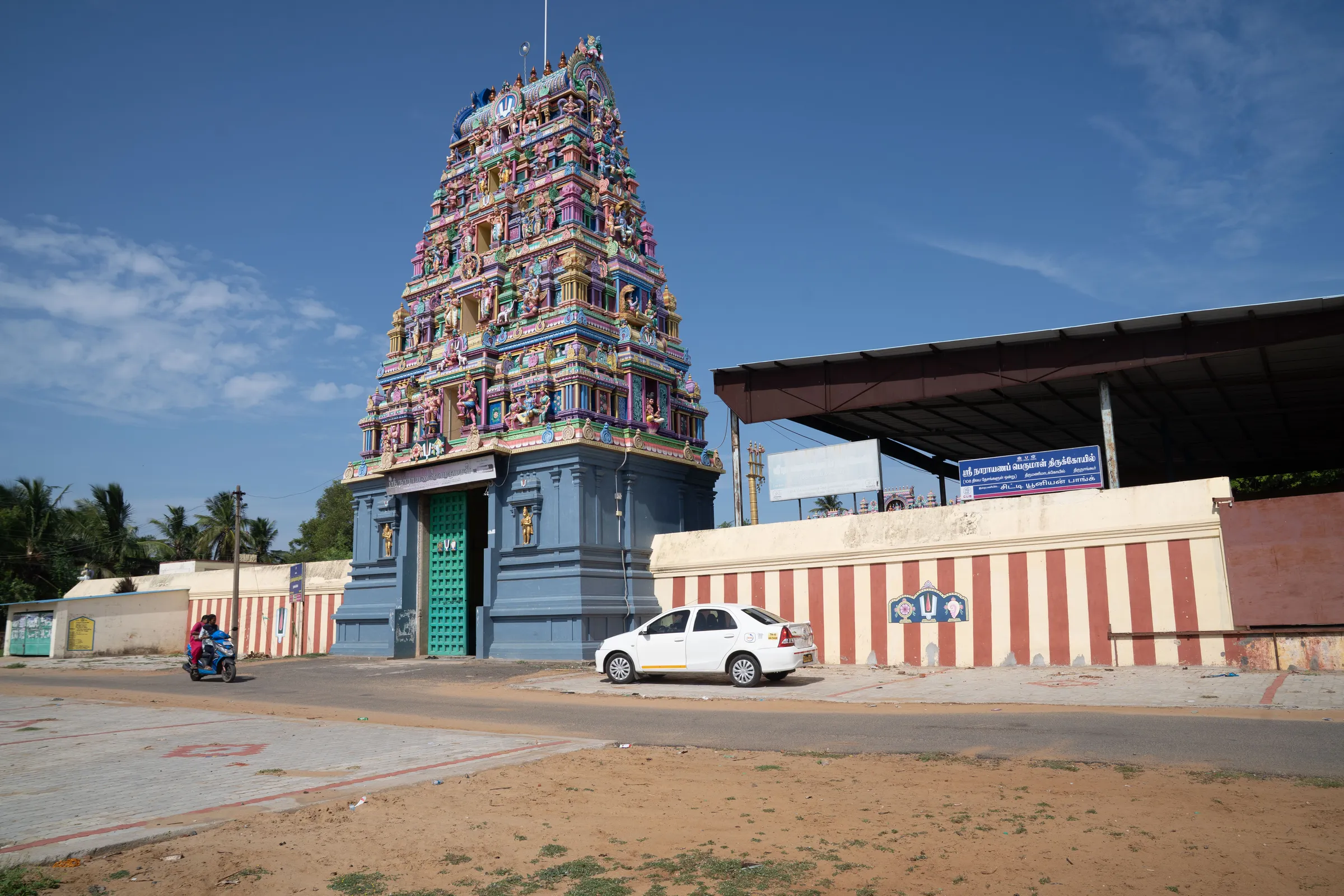
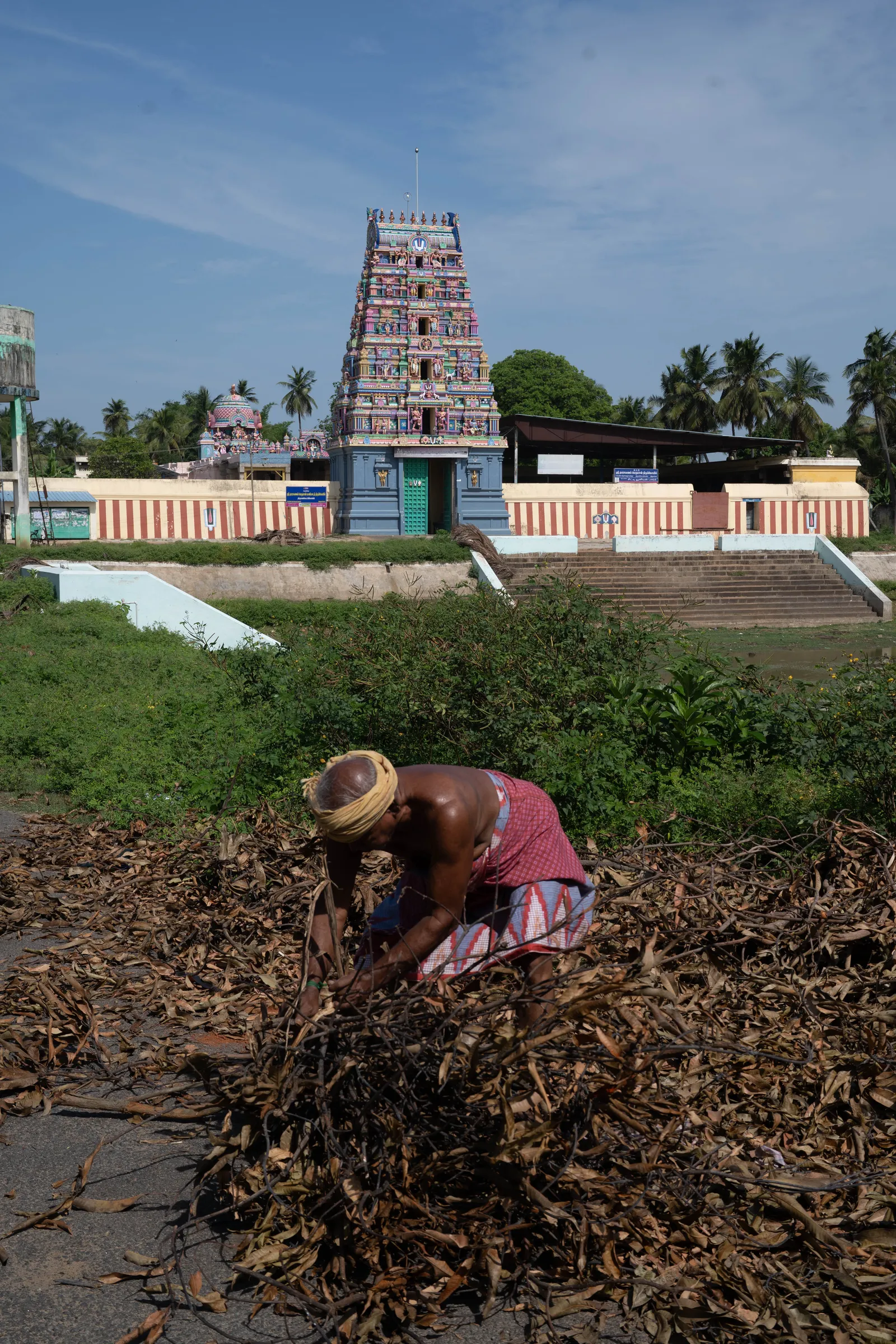
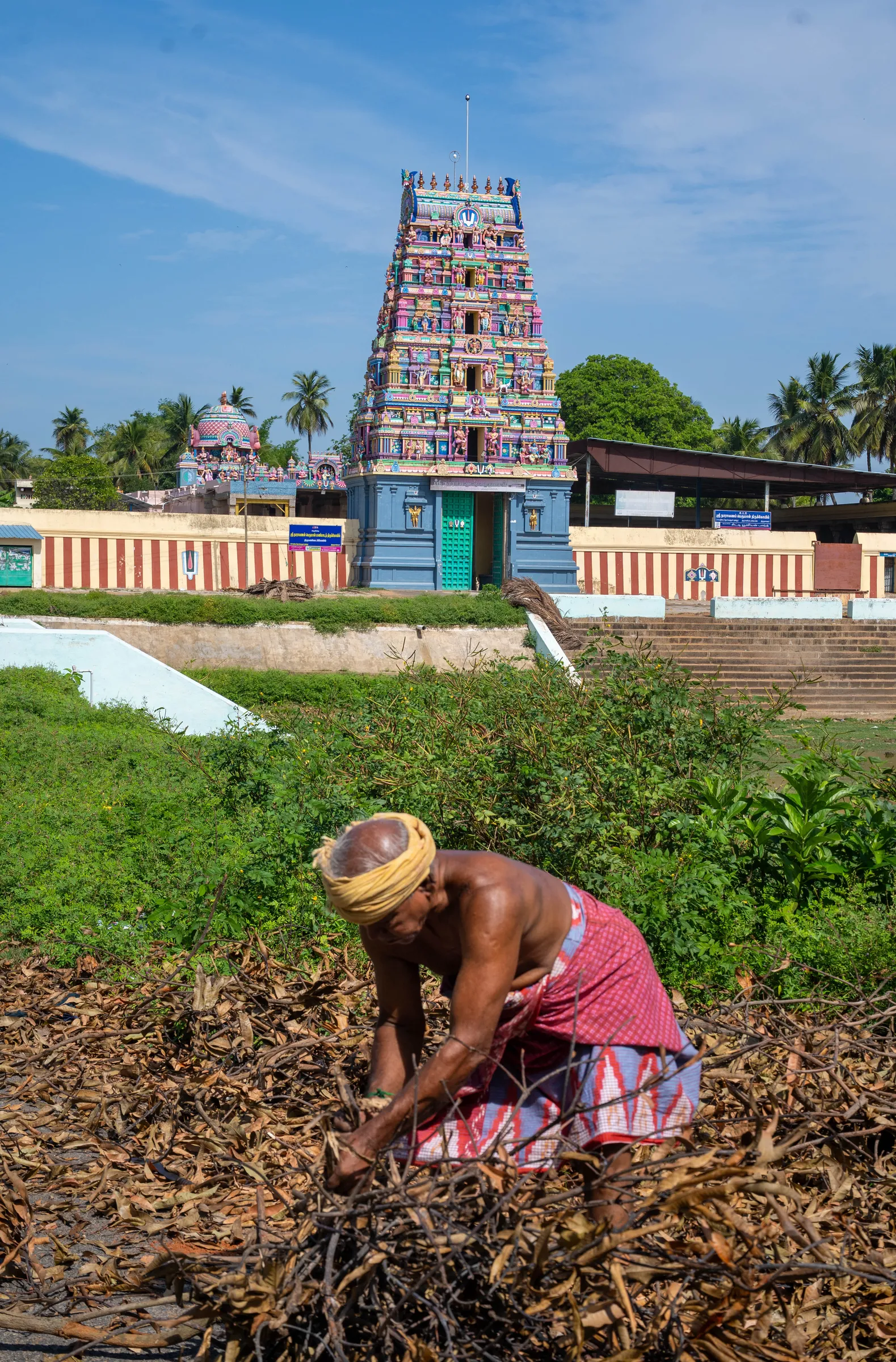
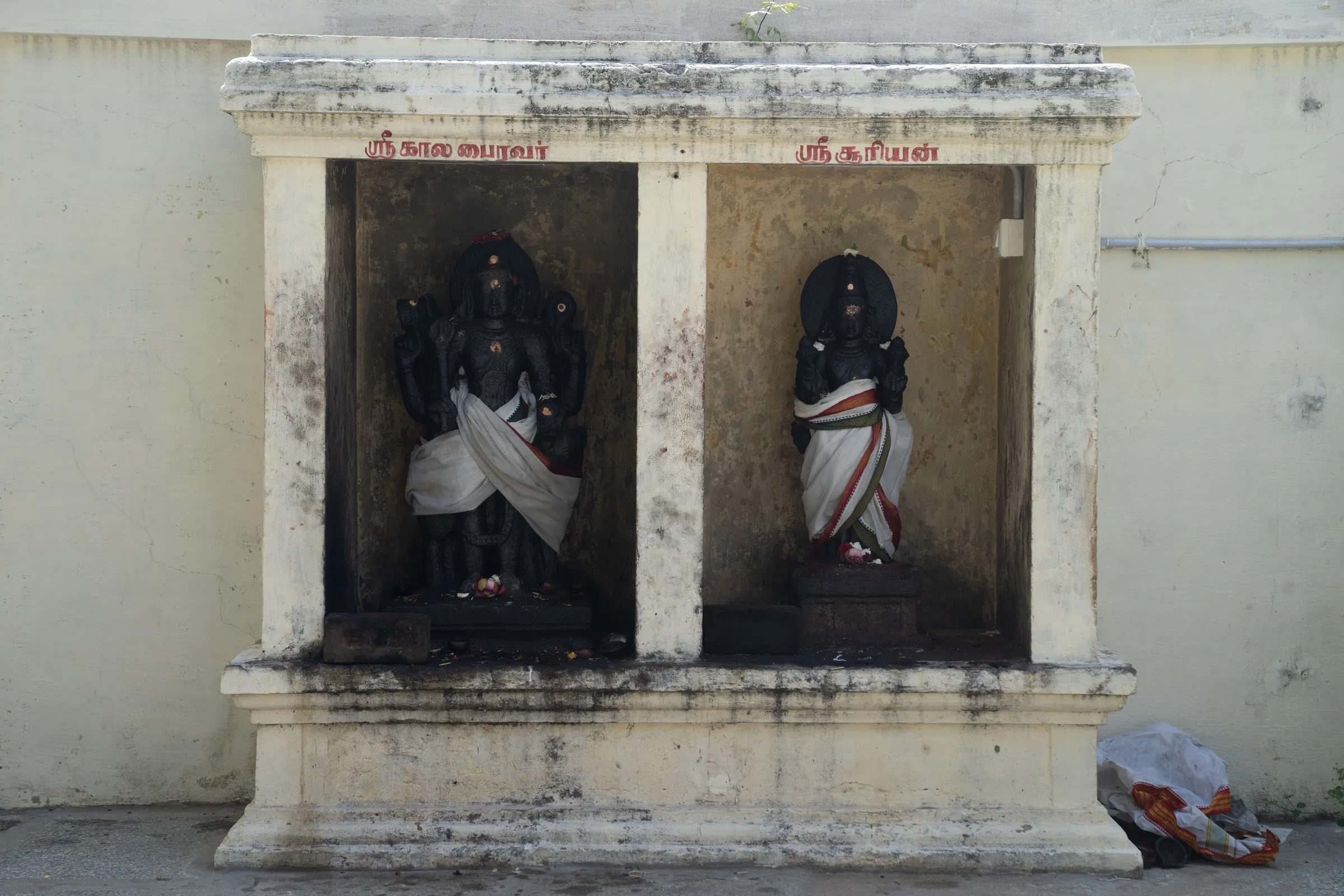
A cluster of Viṣṇu temples in and around the village of Tirunangur near Sirkazhi, eleven of them Divya Deśam sung by Tirumaṅgai Āḻvār, joined each year by a grand festival in which all eleven processional deities assemble.
Tirunangur is a small village near Sirkazhi. In the village and close by stand six temples for Viṣṇu, with five more nearby, making eleven Divya Deśam in all. The region also holds eleven temples for Śiva, of which two are yet to be consecrated. The eleven Viṣṇu temples include Gopālakṛṣṇan, Kuḍamāḍu Kūthan, Puruṣōttama Perumāḷ, Perāruḷāḷan, Badrinārāyaṇar, Vaikuṇṭhanāthar, Dēvanāyaka Perumāḷ, Varadarāja Perumāḷ, Srīnivāsan, Pallikoṇḍa Raṅganātha and Pārthasārathy Perumāḷ, spread across the Nagapattinam and Mayiladuthurai areas.
03
Mythological
as transmitted
The story is connected with the Ēkādaśa Rudras, the eleven sons of Sage Kaśyapa and Aditi, who stand alongside the twelve Ādityas, the eight Vasus and the two Aśvin twins. Rudra means one who howls or makes others cry, a fearful deity later linked with Śiva, and the Ēkādaśa Rudras were his companions. The eleven Śiva temples of the region are tied to these ancient Vedic deities, and some hold that they arose to answer the eleven Viṣṇu temples, which share their identity in being sung by Tirumaṅgai Āḻvār.
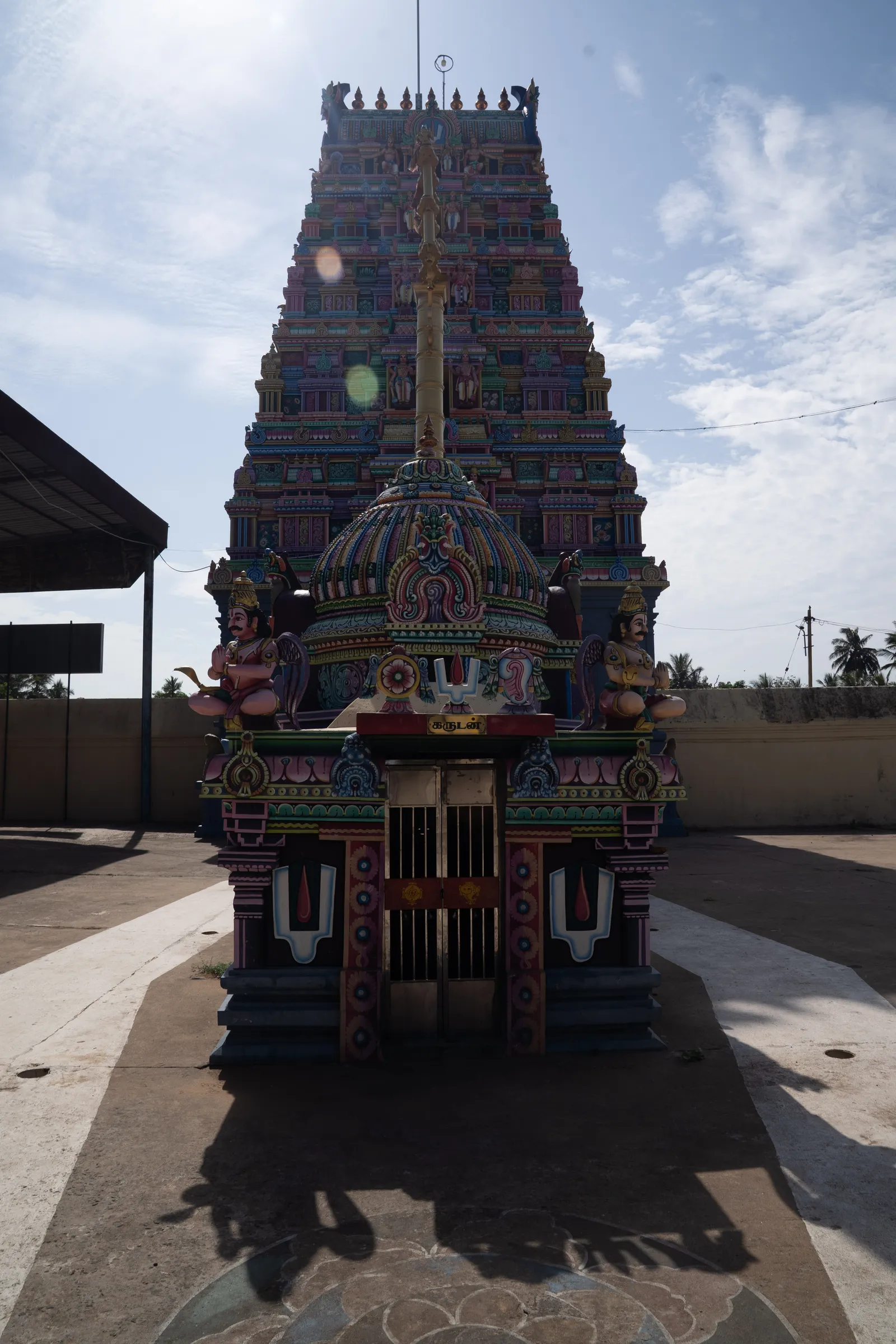
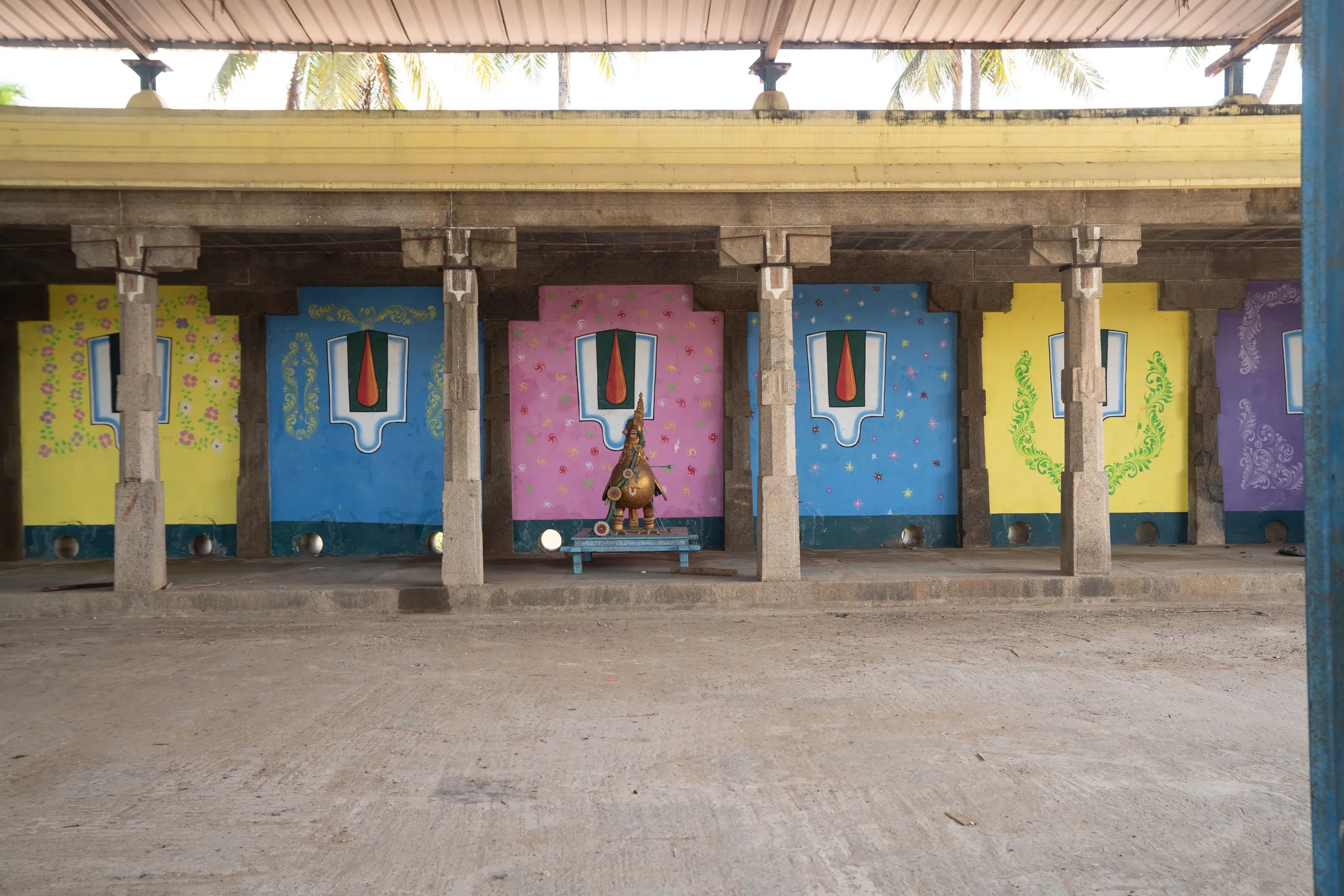
On the day after the new moon in the Tamil month of Thai, mid-January to mid-February, the processional deities of the eleven Viṣṇu temples assemble on the Garuḍa vāhana. Tirumaṅgai Āḻvār, on his own vāhana, appears before each as his verses on that temple are recited, after which Maṇavāḷa Māmunigaḷ, an important saint of the Tenkalai Vaiṣṇavas, recites hymns in his praise. Because the Āḻvār had been a bandit, the festival begins late at night and his vāhana moves briskly, as though he were galloping off to rob a traveller and make a quick getaway. Accommodation is non-existent, so the locals feed the pilgrims.
This is an open, reviewed record. If you have spotted an error or have
something to add — a correction, a date, a source, a name in another script —
propose it. Every change is reviewed before it joins the record.
You are suggesting an edit. Click any highlighted paragraph to change it.
“Suggest an edit” makes this entry editable right here — change the text, tell us how to reach you, and send it. No account needed. “Share feedback” opens a short form. Both go through review before anything is published.