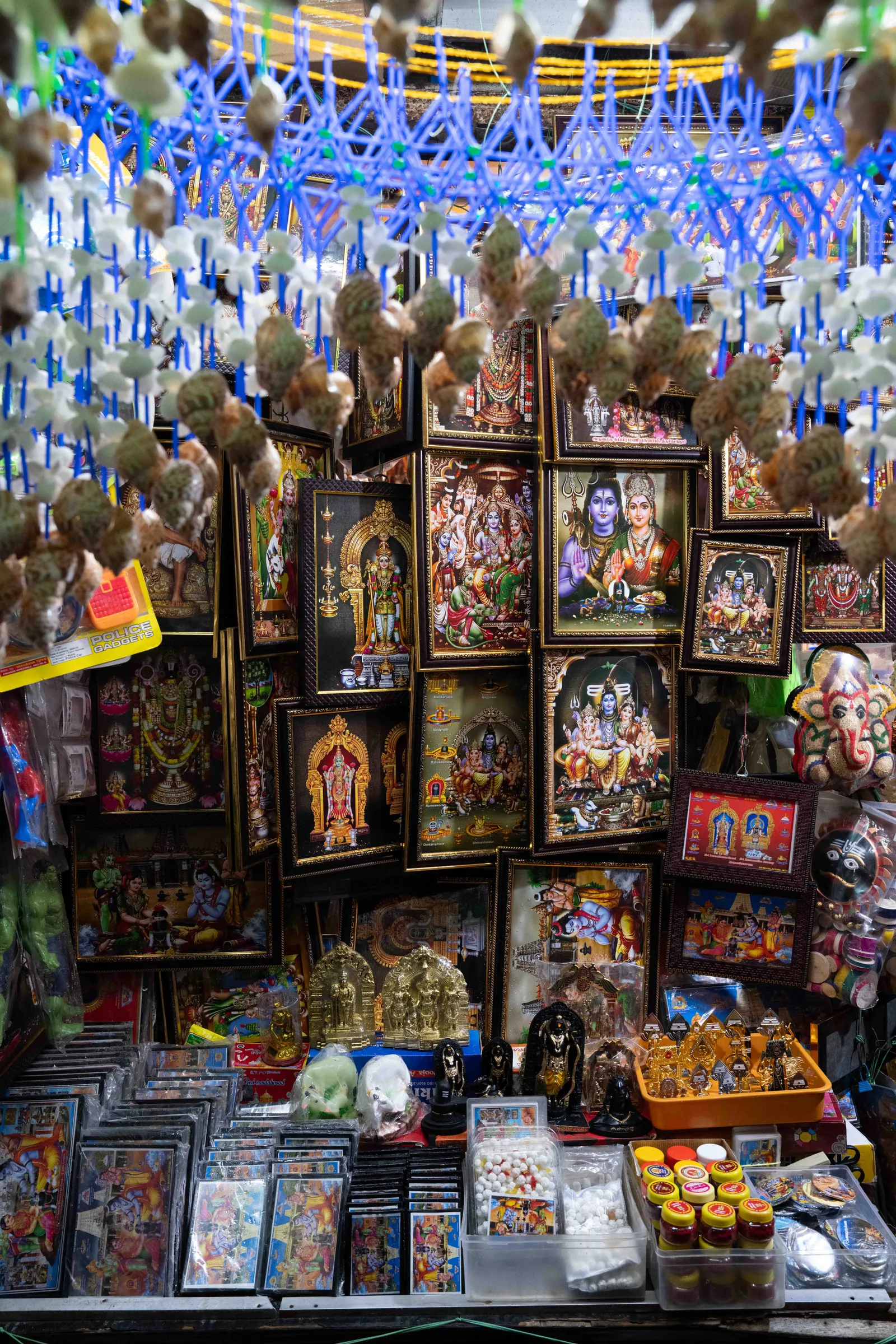
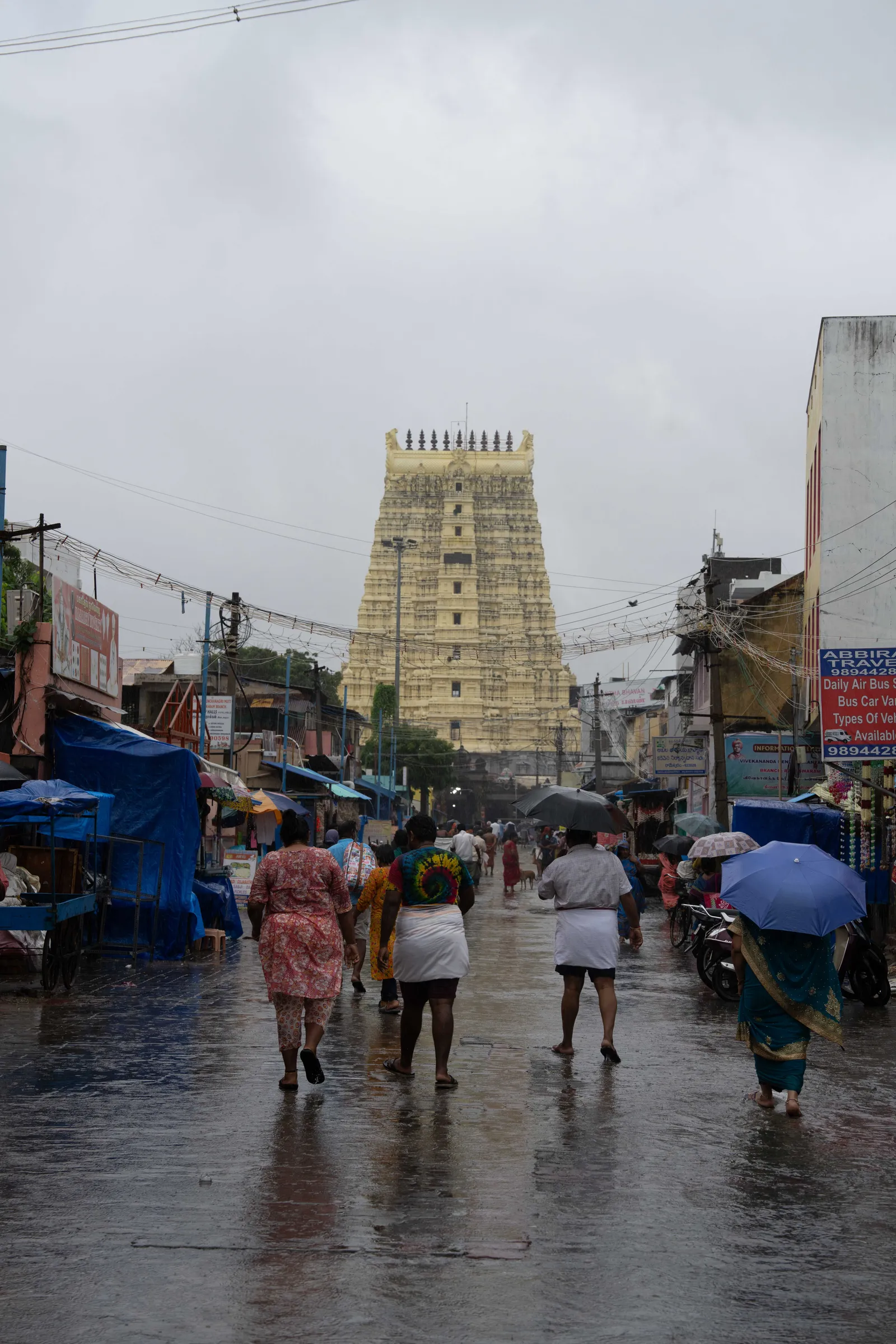
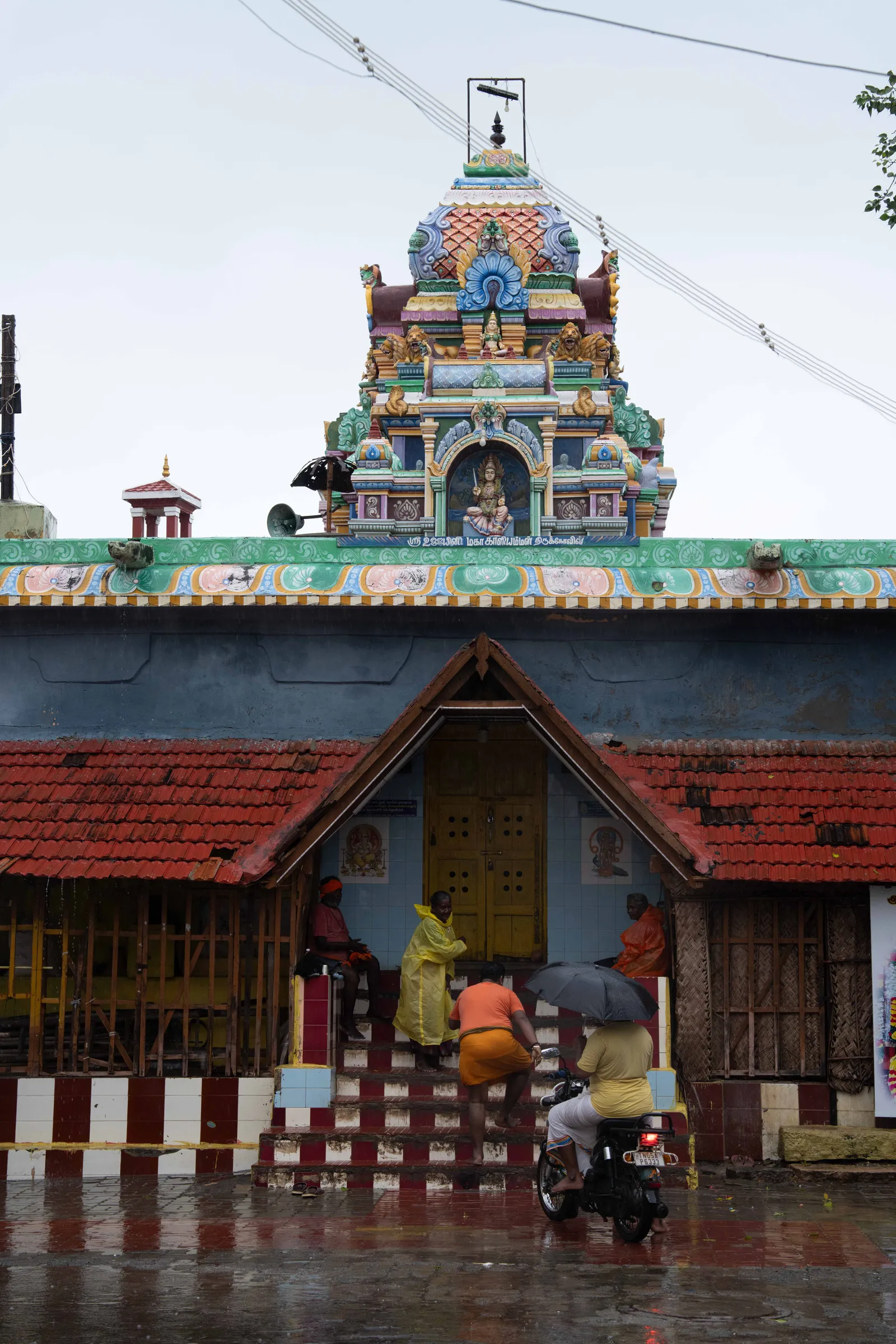
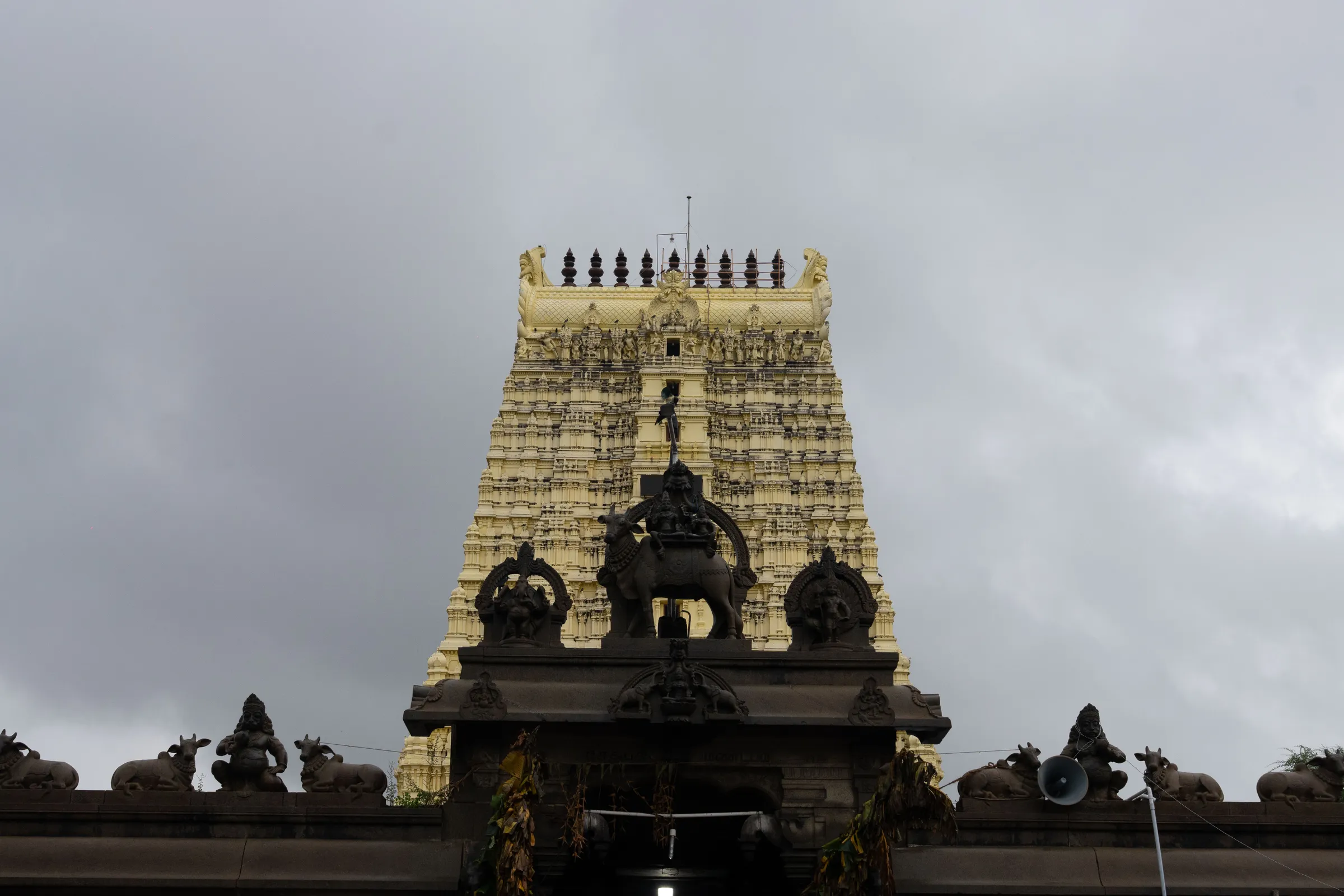
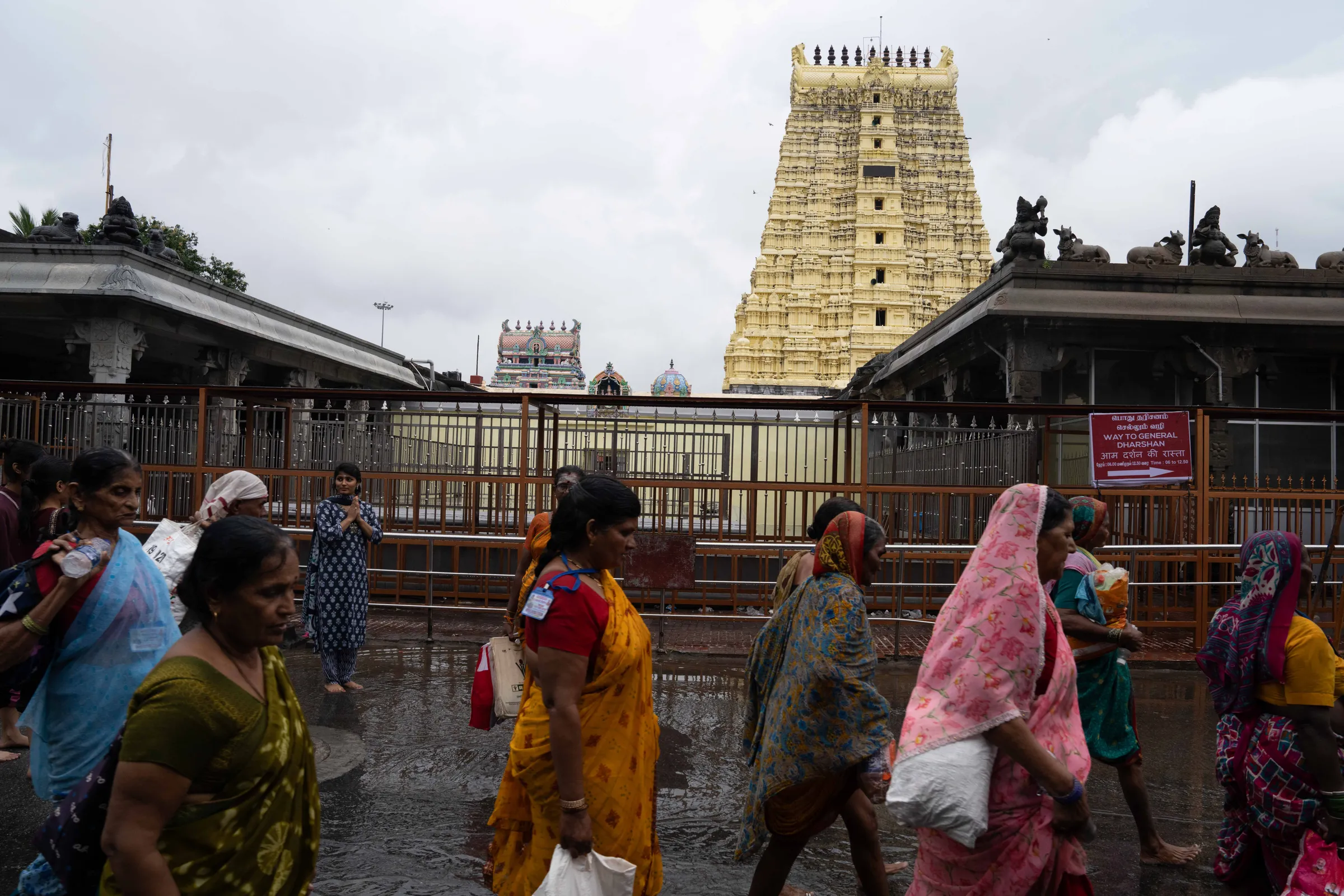
Ramanathaswamy Temple, photograph
← Pandya Nadu
Entry 081

Ramanathaswamy Temple

Rameswaram · Ramanathapuram · 1608 CE · converted to a stone temple, per inscription

The southern seat of Śaṅkara's Char Dham, on Pamban Island, renowned for its immense corridors, its sacred bathing tīrthas and the legend of Rama.

On Pamban Island at the southern tip of Śaṅkara’s Char Dham, the Ramanathaswamy temple is renowned less for sculpture than for its scale, its rituals and its sacred waters. Its corridors are said to be the longest in India, its 22 tīrthas draw bathing pilgrims, and an inscription records its rebuilding in stone in 1608.

The photographs

Plates · 17

Ramanathaswamy Temple, photograph
© Amar Ramesh and team · All rights reserved
Ramanathaswamy Temple, photograph
© Amar Ramesh and team · All rights reserved
Ramanathaswamy Temple, photograph
© Amar Ramesh and team · All rights reserved
Ramanathaswamy Temple, photograph
© Amar Ramesh and team · All rights reserved
Ramanathaswamy Temple, photograph
© Amar Ramesh and team · All rights reserved
Ramanathaswamy Temple, photograph
© Amar Ramesh and team · All rights reserved
Ramanathaswamy Temple, photograph
© Amar Ramesh and team · All rights reserved
Ramanathaswamy Temple, photograph
© Amar Ramesh and team · All rights reserved
Ramanathaswamy Temple, photograph
© Amar Ramesh and team · All rights reserved
Ramanathaswamy Temple, photograph
© Amar Ramesh and team · All rights reserved
Ramanathaswamy Temple, photograph
© Amar Ramesh and team · All rights reserved
Ramanathaswamy Temple, photograph
© Amar Ramesh and team · All rights reserved
Ramanathaswamy Temple, photograph
© Amar Ramesh and team · All rights reserved
Ramanathaswamy Temple, photograph
© Amar Ramesh and team · All rights reserved
Ramanathaswamy Temple, photograph
© Amar Ramesh and team · All rights reserved
Ramanathaswamy Temple, photograph
© Amar Ramesh and team · All rights reserved
01

Architectural

structure & vocabulary

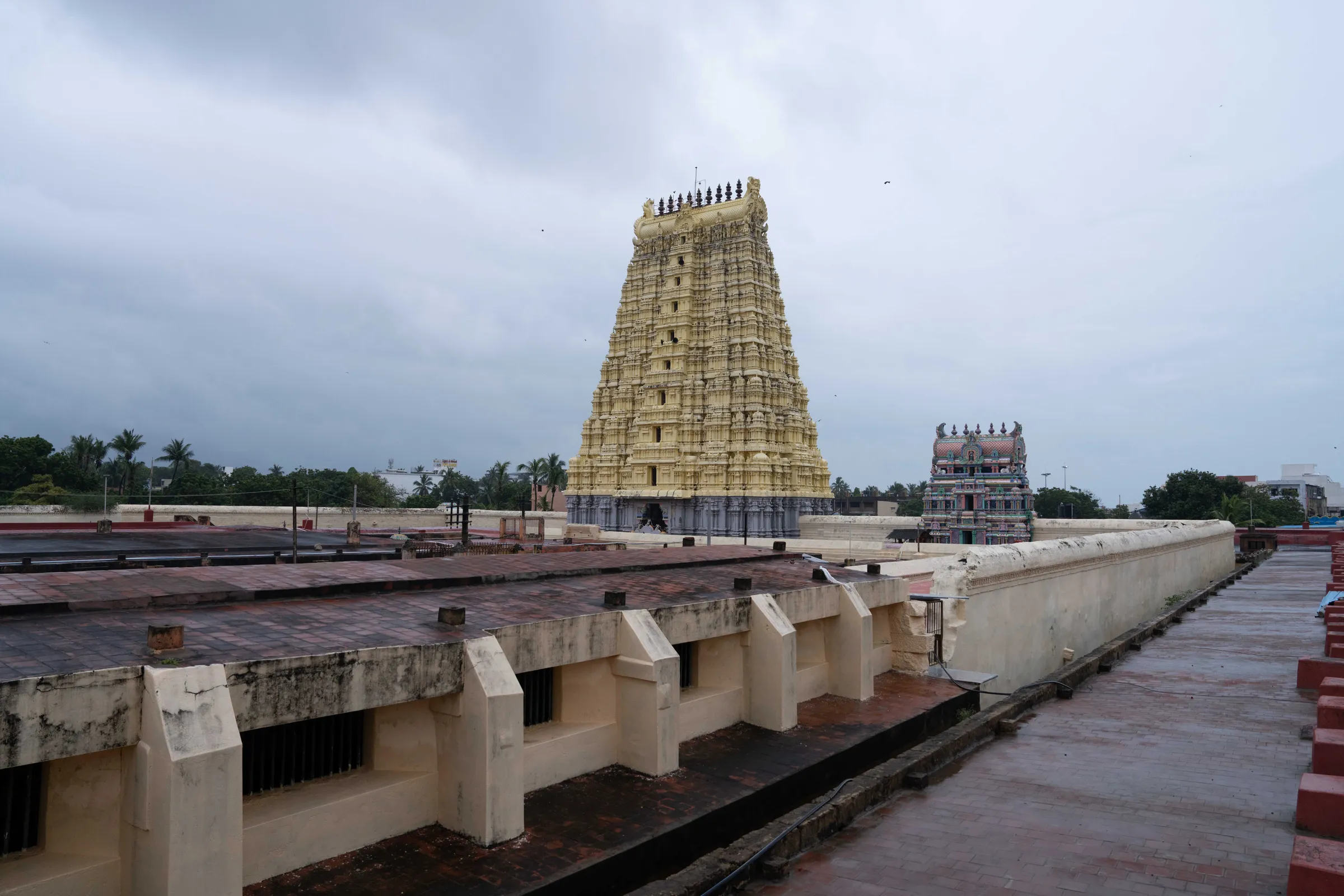
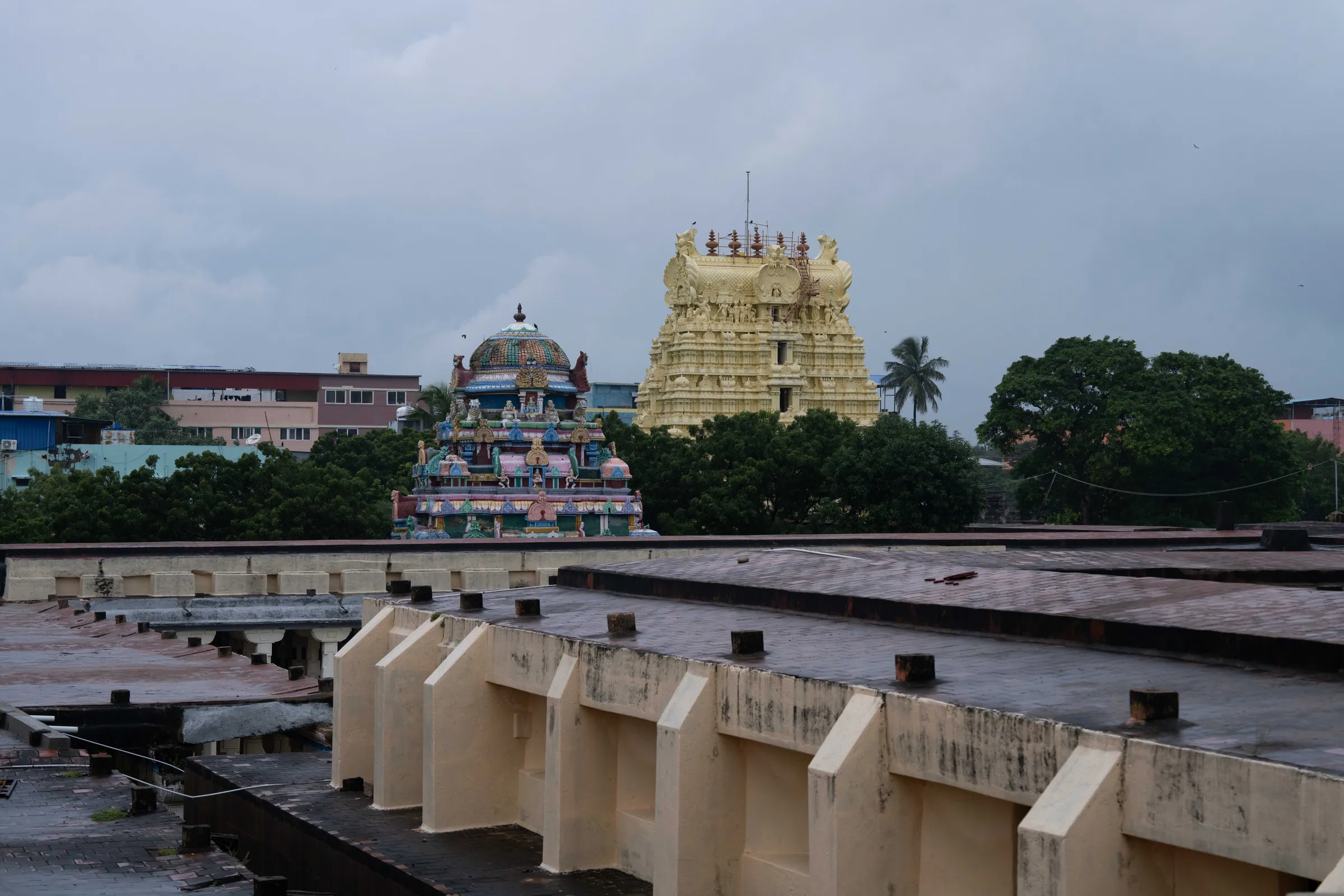
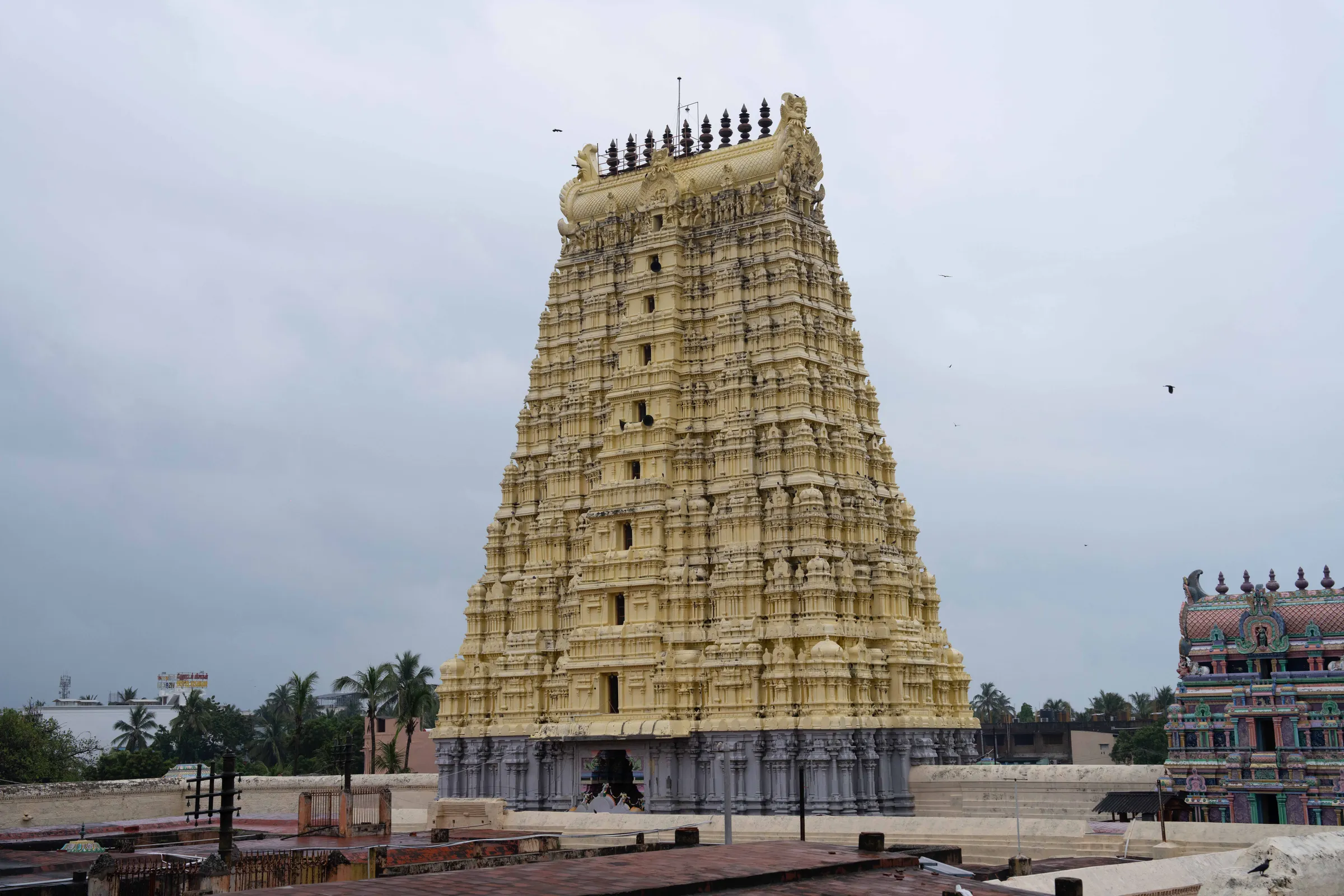
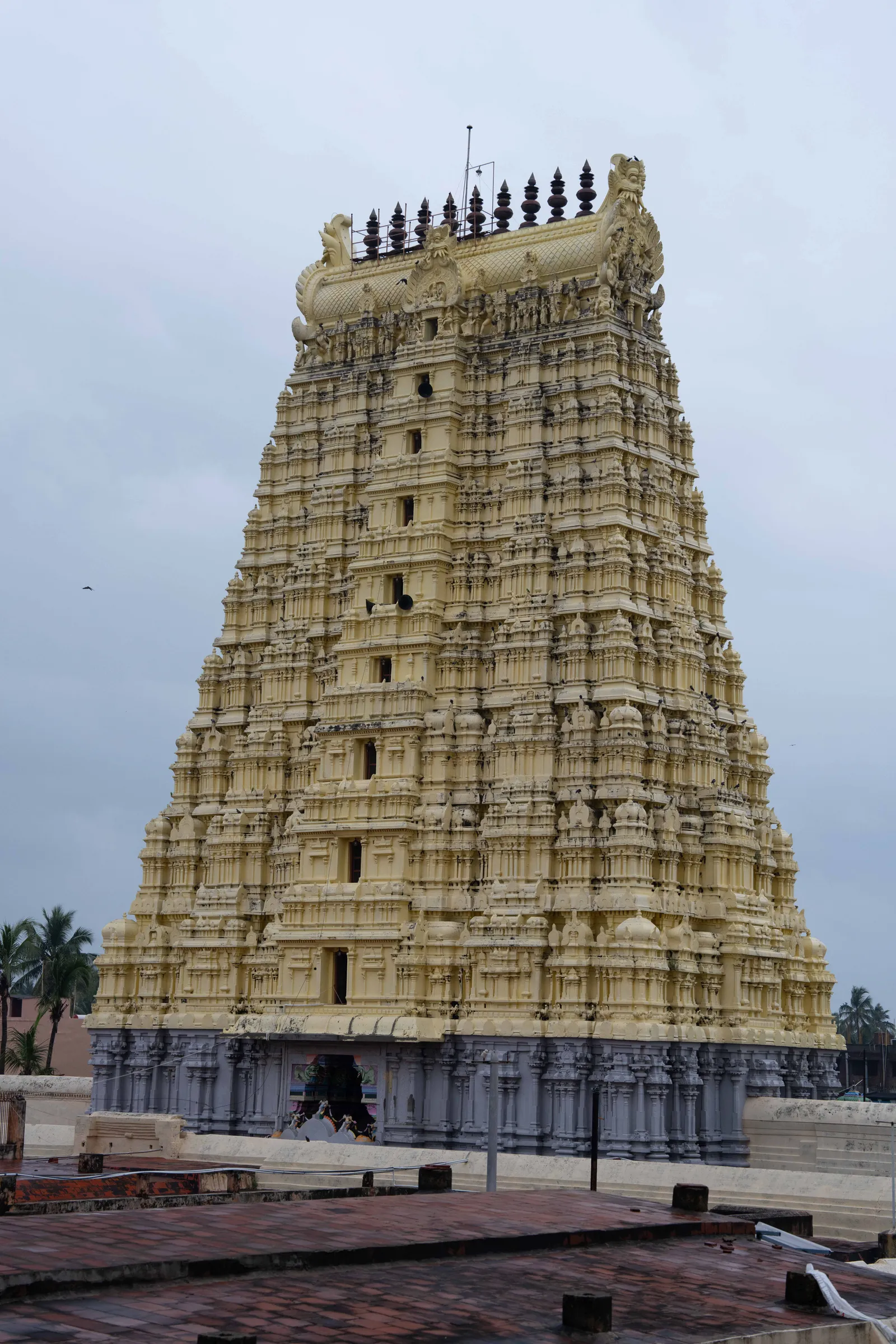
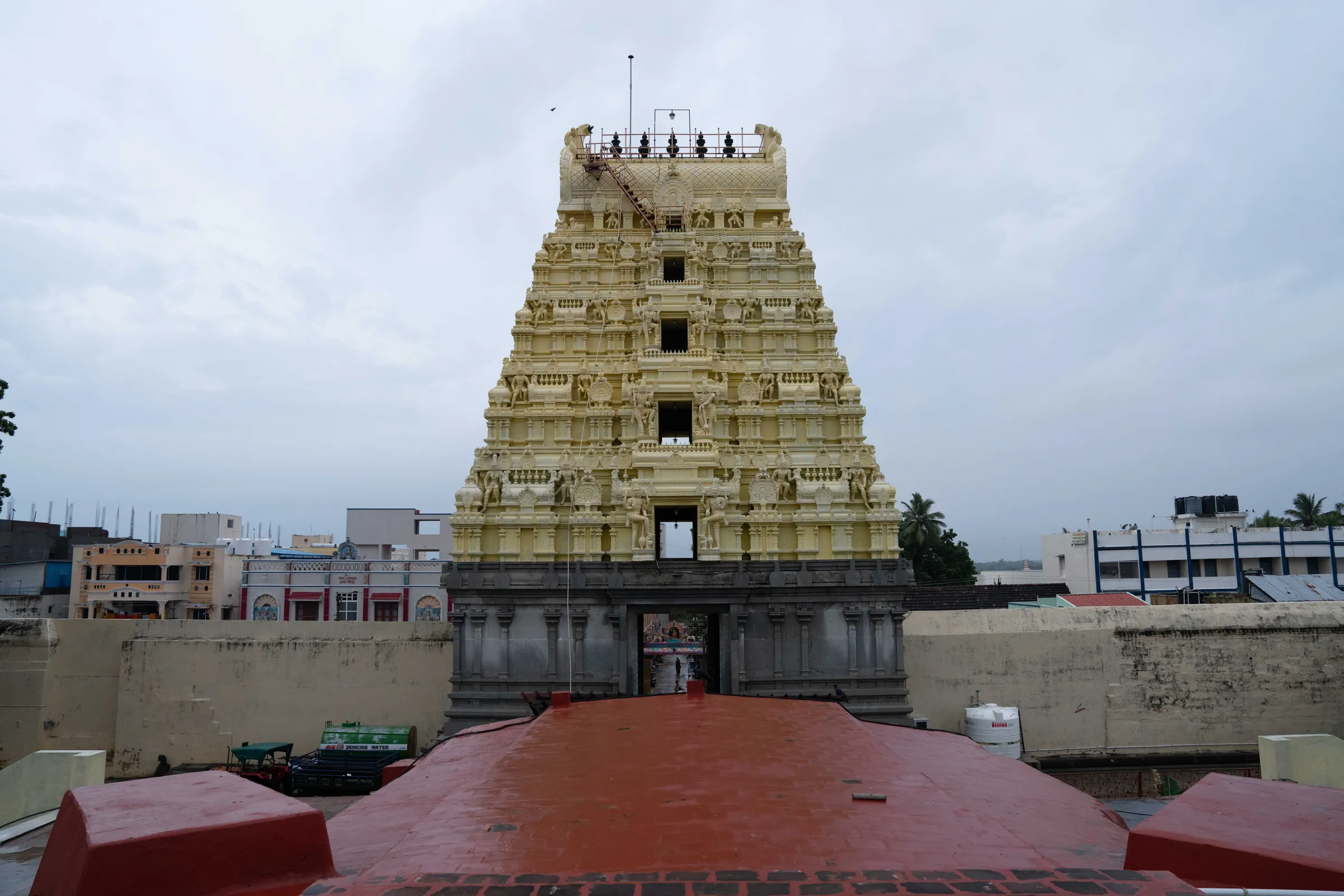
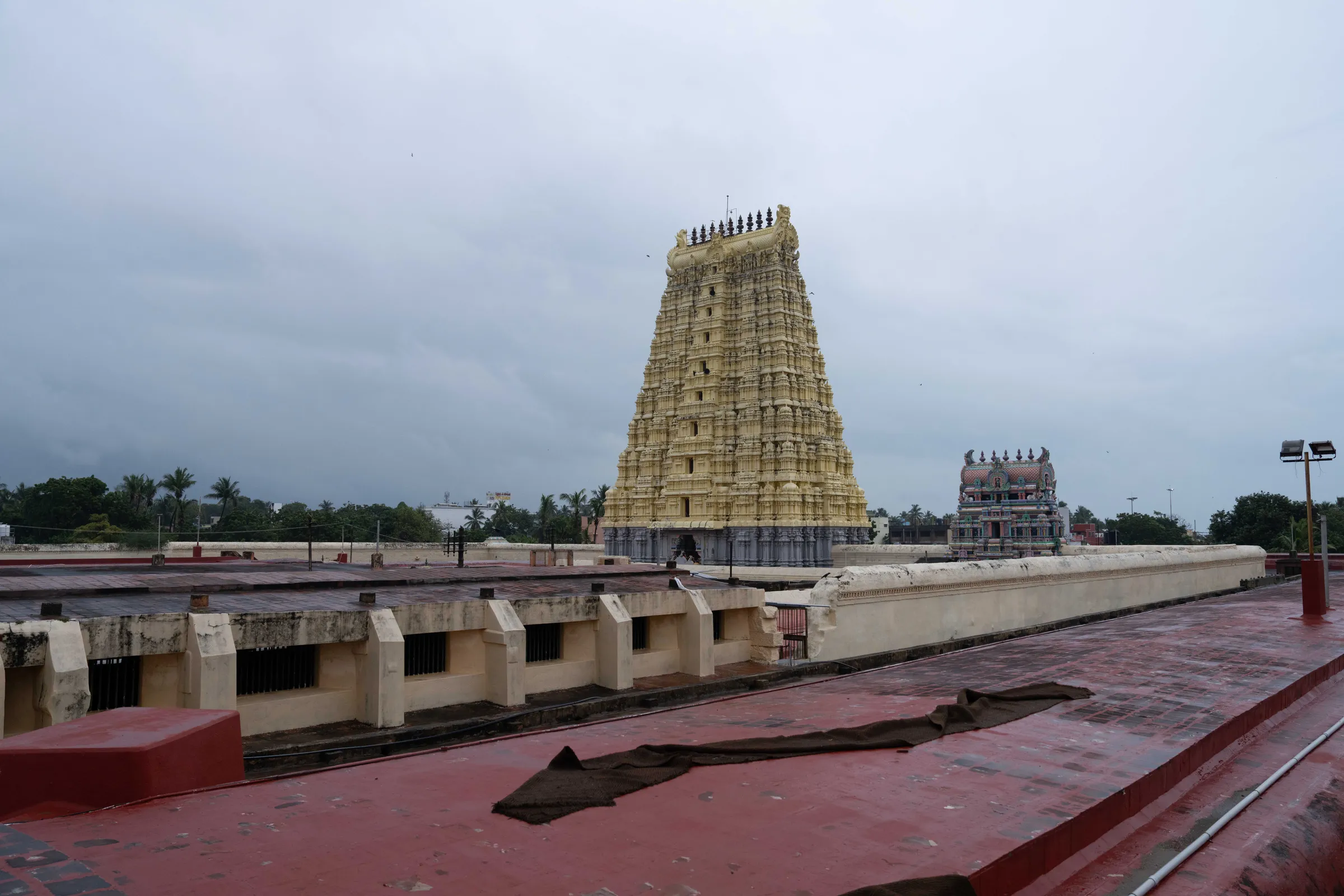
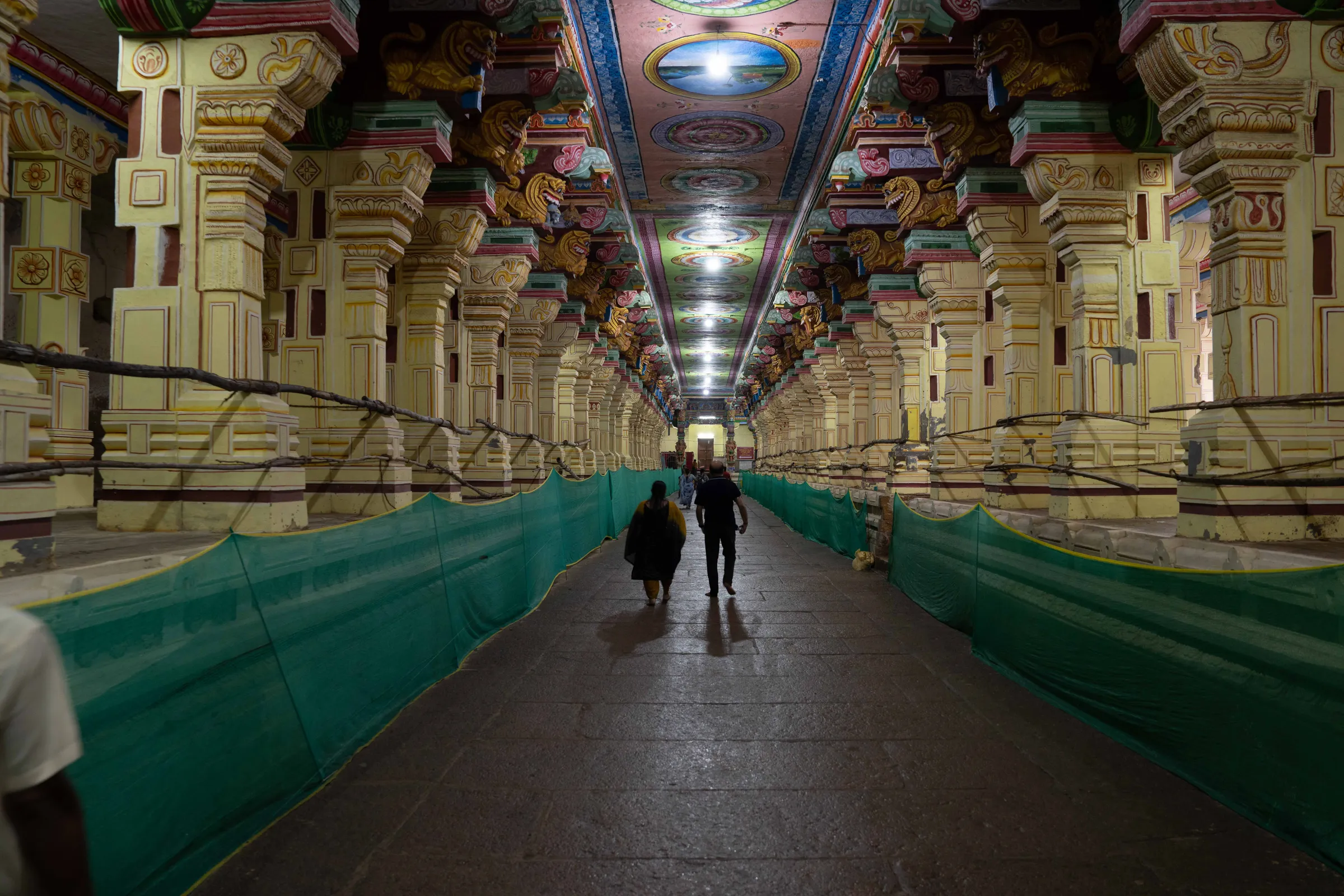
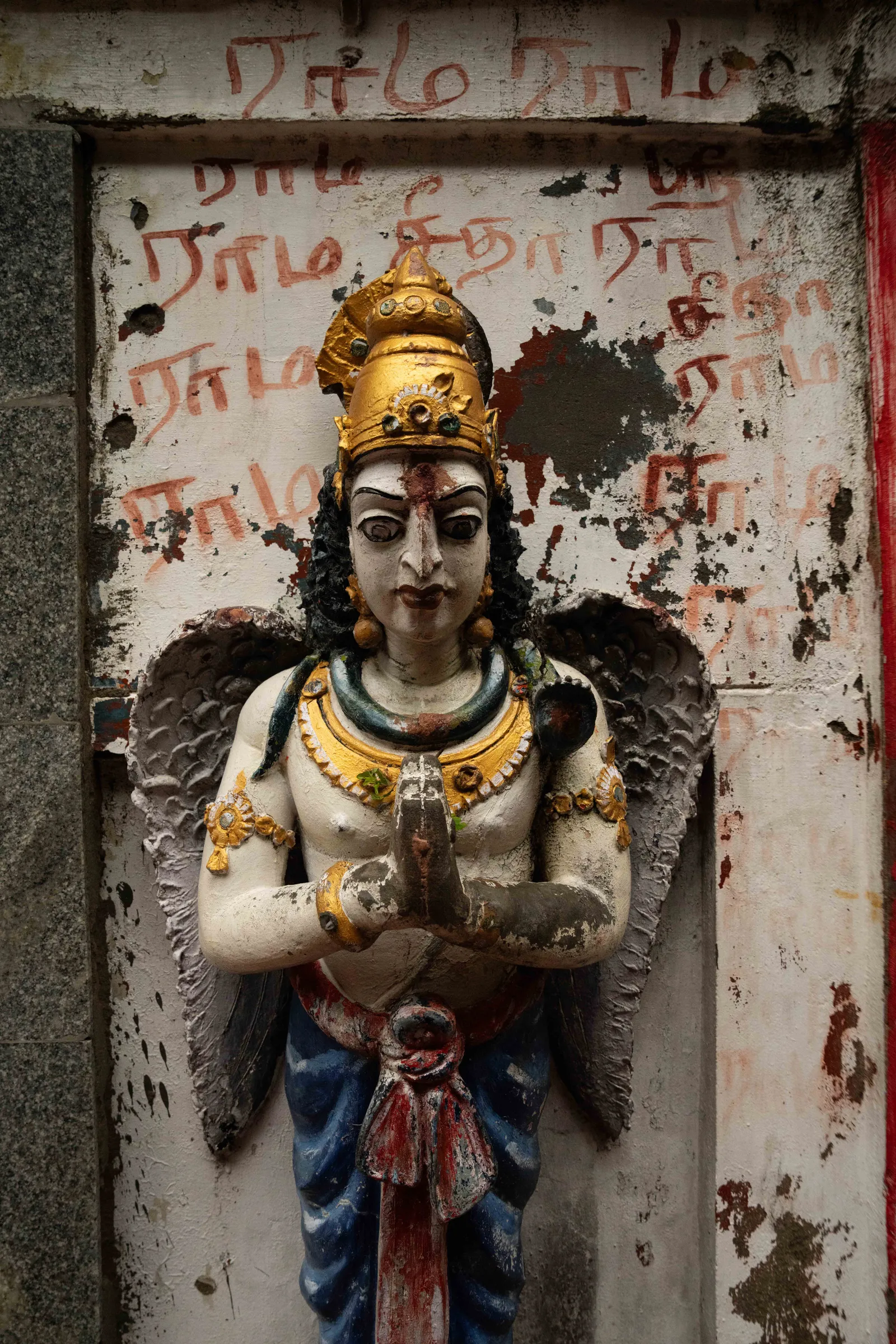
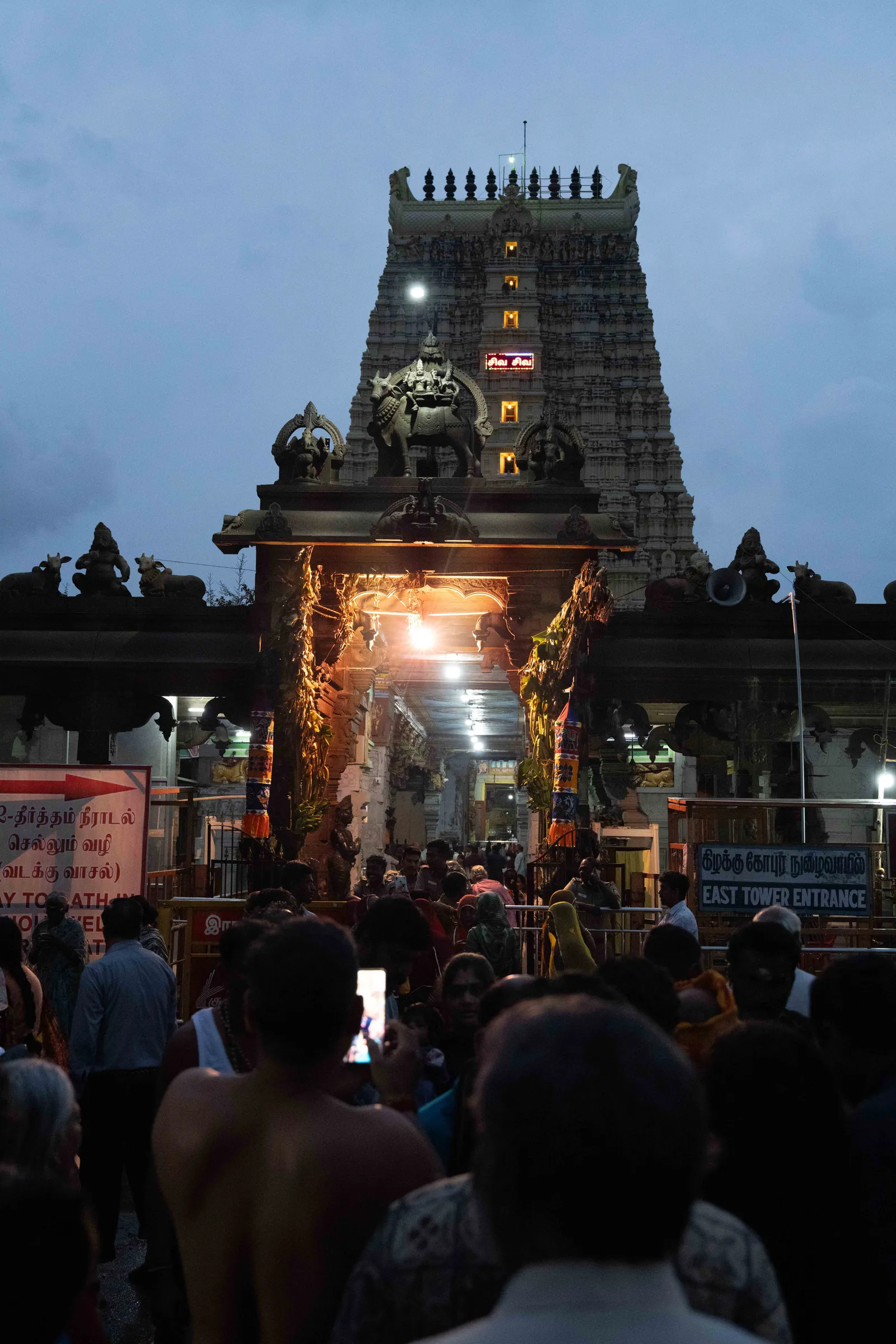
The massive temple is celebrated for its size, location and rituals more than for the merit of its sculpture. Its corridors run to almost 4000 feet, said to be the longest in India. By the 15th century there were temples for both Śiva and Vishnu, later joined by the prākāra walls.

The grandest and final prākāra carries statues of its builder, Muthuramalinga Sethupati, and his ministers Muthu Irulappa Pillai and Krishna Iyengar. Within it are a shrine for Nataraja, the samādhi of Patanjali who authored the Yoga Sutra, and a tableau of Rama making the Śiva liṅga. The salt air has eroded the stone, and even 19th-century photographs show it under a coat of protective paint.

02

Archaeological

dated & cited

The book reports that many inscriptions and copper plates were destroyed, so that much of the temple's history rests on literature of the 1920s. The core is believed built by King Parakramabahu of Sri Lanka, near Polonnaruwa, in about 1173 CE. An inscription beside the Kodi tīrtha records that the temple was converted into a stone temple in 1608 CE by a Ramanatha Pandaram, who also enlarged it. Until the 1860s it was administered by the Pandarams, often at odds with the Sethupati kings, who have been its chief patrons since the 17th century. The text dates the final corridor to the 18th century; a printed range of 1740 to 1170 CE appears garbled in the source.

Dating
Consecrated1608 CE · converted to a stone temple, per inscription

The grandest and final prākāra, the longest corridor in India, was built in the 18th century under Muthuramalinga Sethupati.

Inscription · Adjacent to the Kodi tīrtha

This temple was converted into a stone temple in 1608 CE; a Ramanatha Pandaram, who also enlarged the temple, did this.

03

Mythological

as transmitted

Rameswaram sits at the southern tip of Śaṅkara's Char Dham, the four great temples at India's geographical extremes. On Pamban Island it ends at Danushkoti, a short ferry from Sri Lanka. The legend of Rama building the temple comes from the Ananda Ramayana, probably composed in the 14th century.

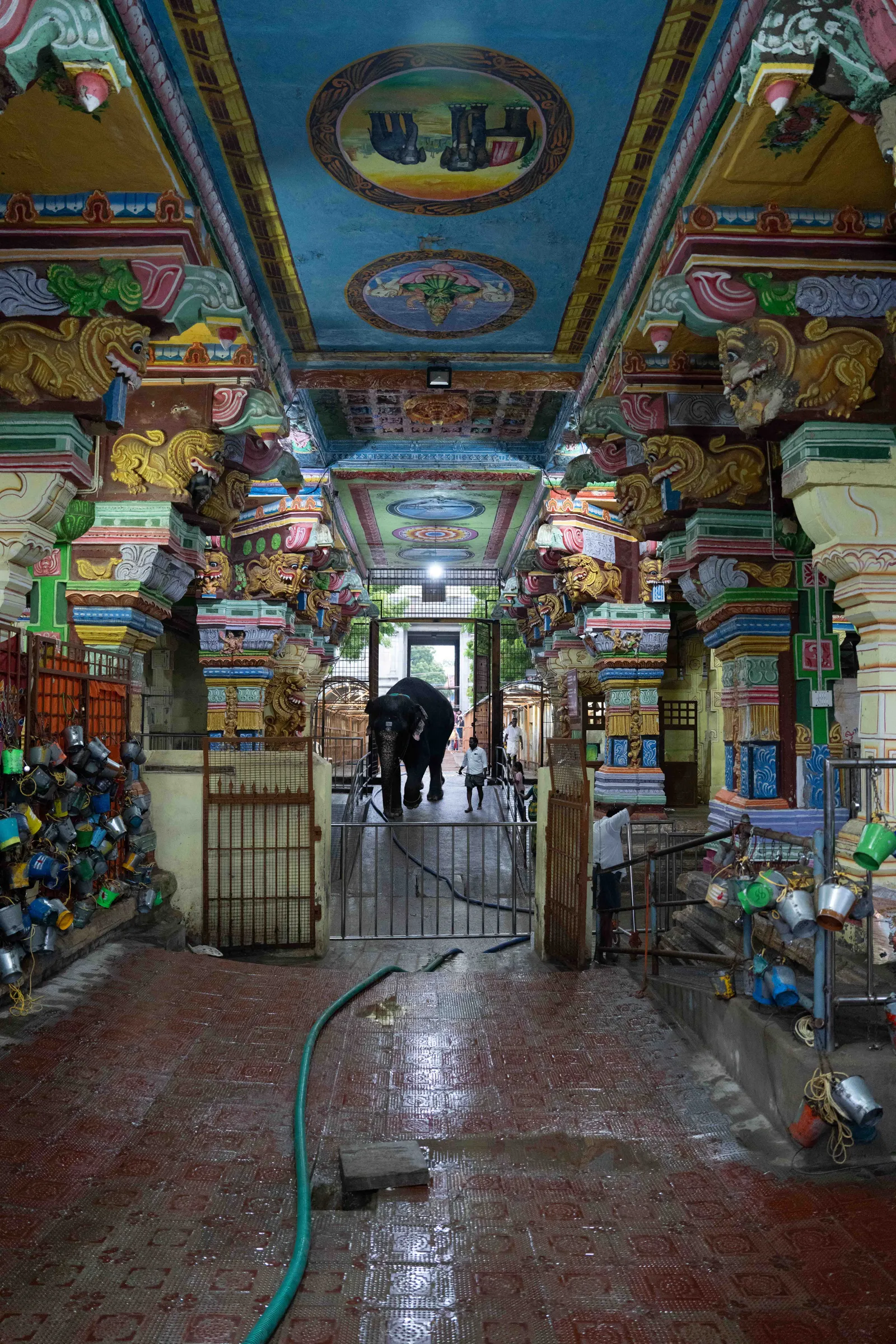
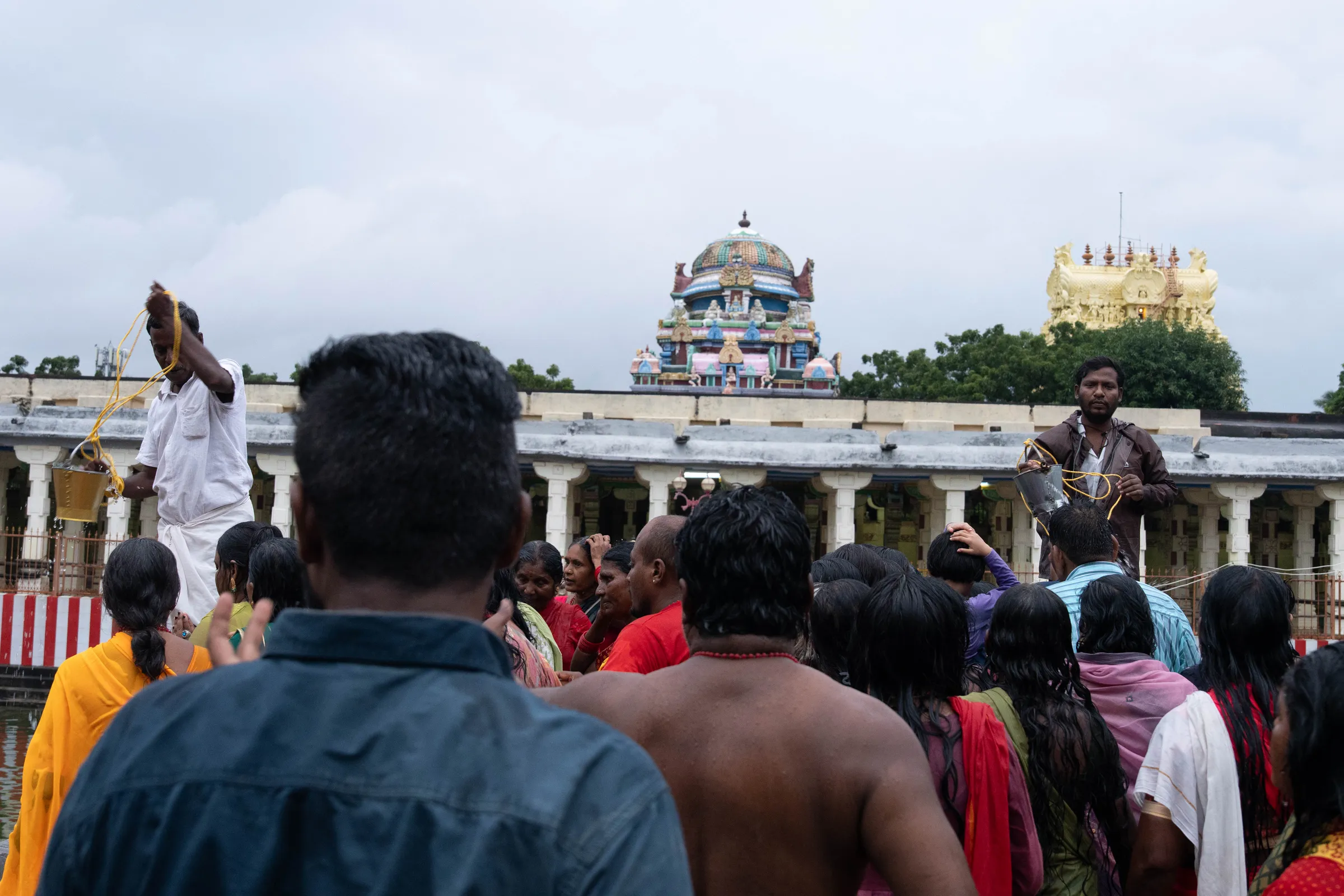
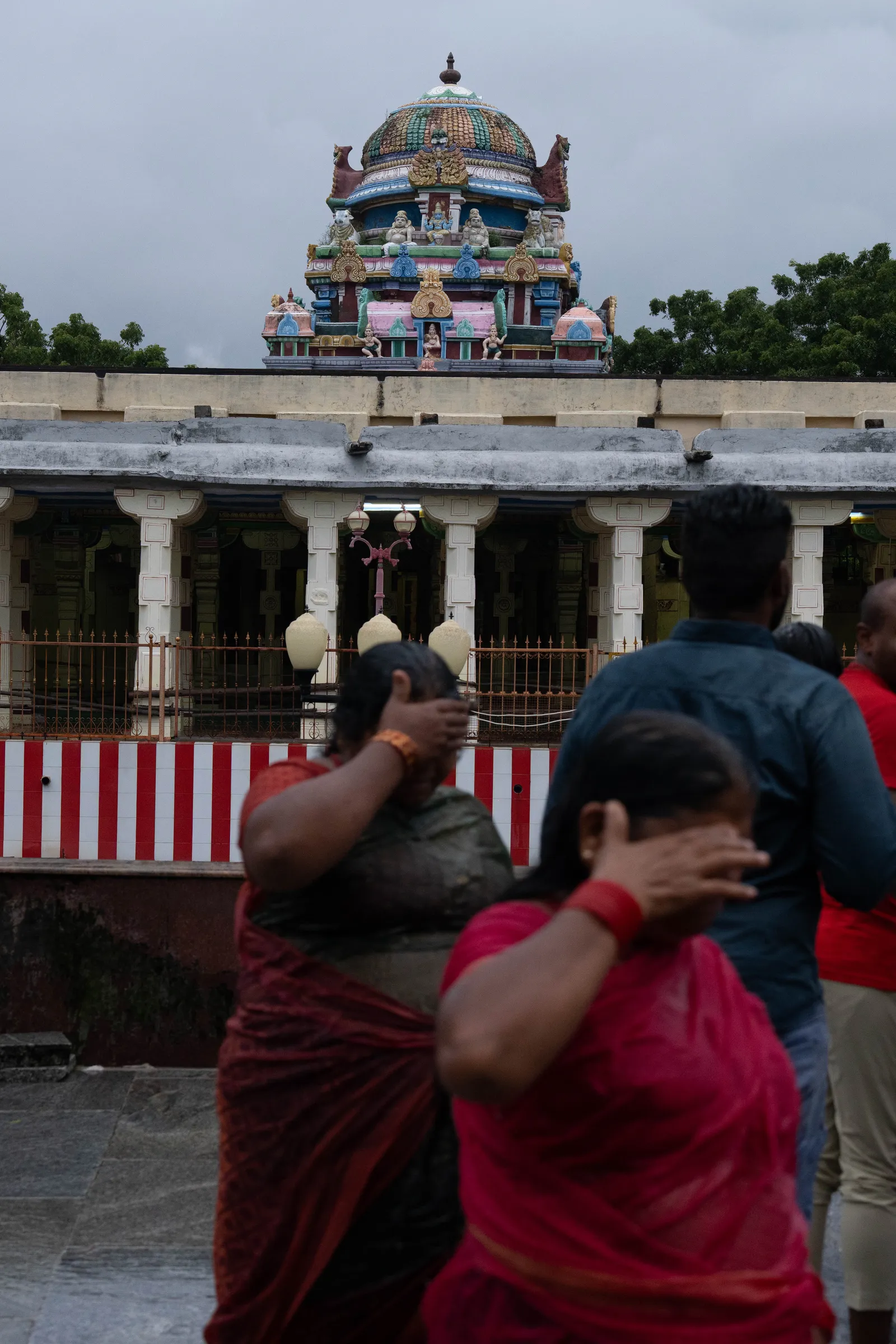
The most important worship here is the bath in the sacred tīrthas; there are 22 chief waterbodies and many more within the temple, each carrying stories from the Ananda Ramayana and the Skanda Purana. The intermingling of Ganga water with the water here is read as a sign that all are one family of Vasudeva.

Register interest in prints Buy the book
Improve this entry

This is an open, reviewed record. If you have spotted an error or have something to add — a correction, a date, a source, a name in another script — propose it. Every change is reviewed before it joins the record.

“Suggest an edit” opens this entry on GitHub and turns your change into a pull request. “Share feedback” opens a short form. Both go through review.