01 Architectural
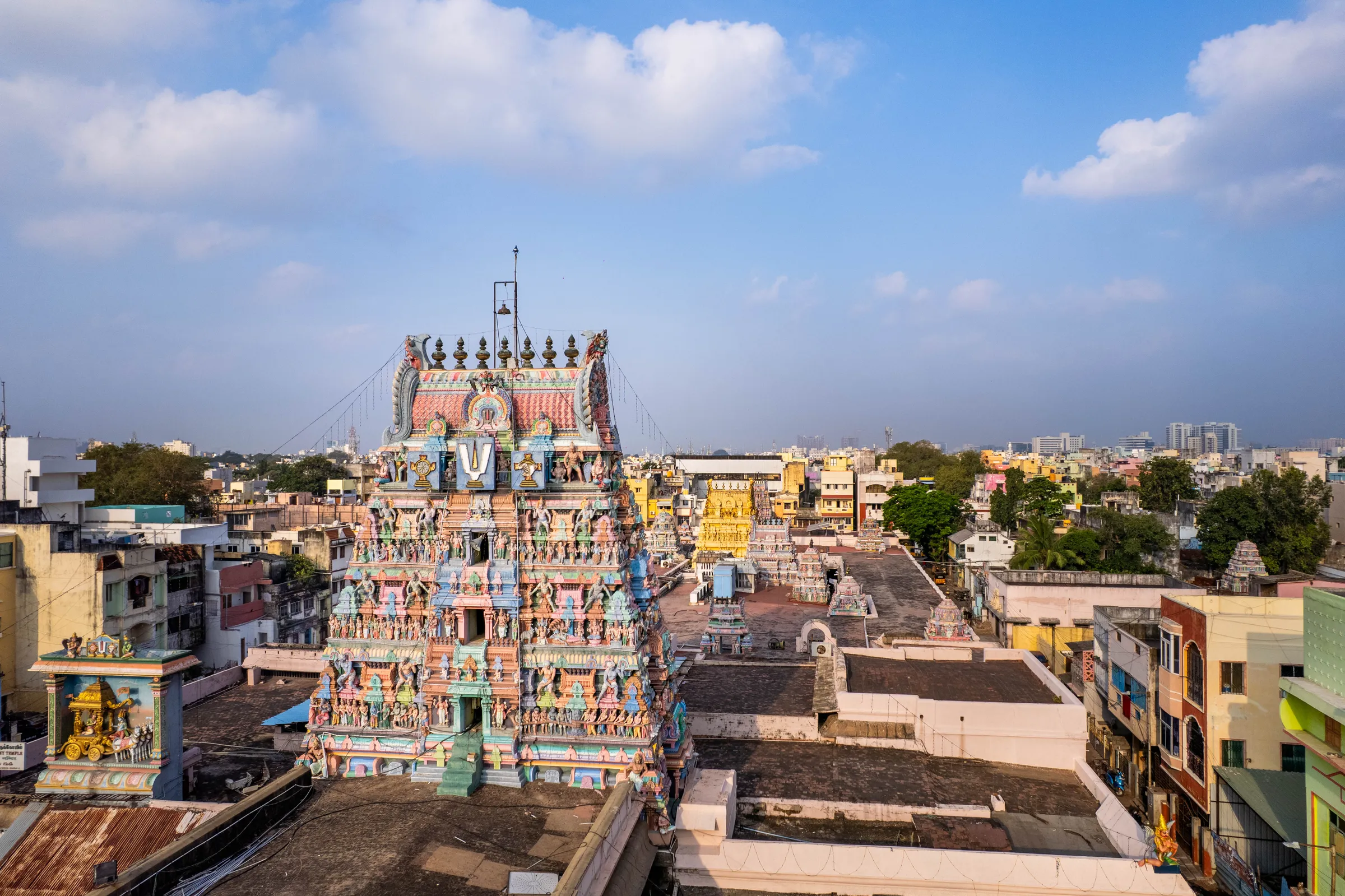
structure & vocabulary Parthasarathi, the charioteer of Arjuna, is the main deity, with his consort Vedavalli. The image is shown in an unusual form, with a luxuriant moustache and a conch in his hand, a treatment read here as fitting a Kshatriya's charioteer. The sanctum also holds Kṛṣṇa, Rukmini and Balarama, and the temple carries five forms of Viṣṇu: Yoga Narasimha, Rama, Gajendra Varadaraja, Ranganatha and Kṛṣṇa as Parthasarathi.
Separate shrines stand for Vedavalli Thayar, Andal, Telliya Singa Perumal, Hanuman, the Alvars, Ramanuja, Manavala Mamunigal and Vedantha Desikar. There are separate entrances and Dhwaja sthambas, flagstaffs, for Parthasarathi and for Yoga Narasimha. The present-day structure dates to 1564 CE, when new shrines and mandapas were added. The pillars, stone rings, idols and stucco figures on the tower gateways are striking, most bearing the stamp of the Vijayanagara kings.
The temple follows the Tenkalai tradition and observes the Vaikanasa Agama. Daily rituals and monthly and annual utsavams are conducted with care. Vaikunta Ekadasi, the Ratha or chariot festival and the Theppam or float festival are celebrated, and the dance of the palanquin carriers with the seated lord, accompanied by singing, is a notable sight.
02 Archaeological
dated & cited An inscription in the sanctum refers to the 12th year of Dantivarman's reign and is described here as Chennai's oldest inscription. The record is understood to mean that the Pallavas re-constructed and embellished an existing temple rather than building it from the ground up. The honorific Tondaiyarkon, used by Tirumangai Alvar, is likely a title of the Pallava king Nandivarma (731 to 795 CE) or his son Dantivarman, or both.
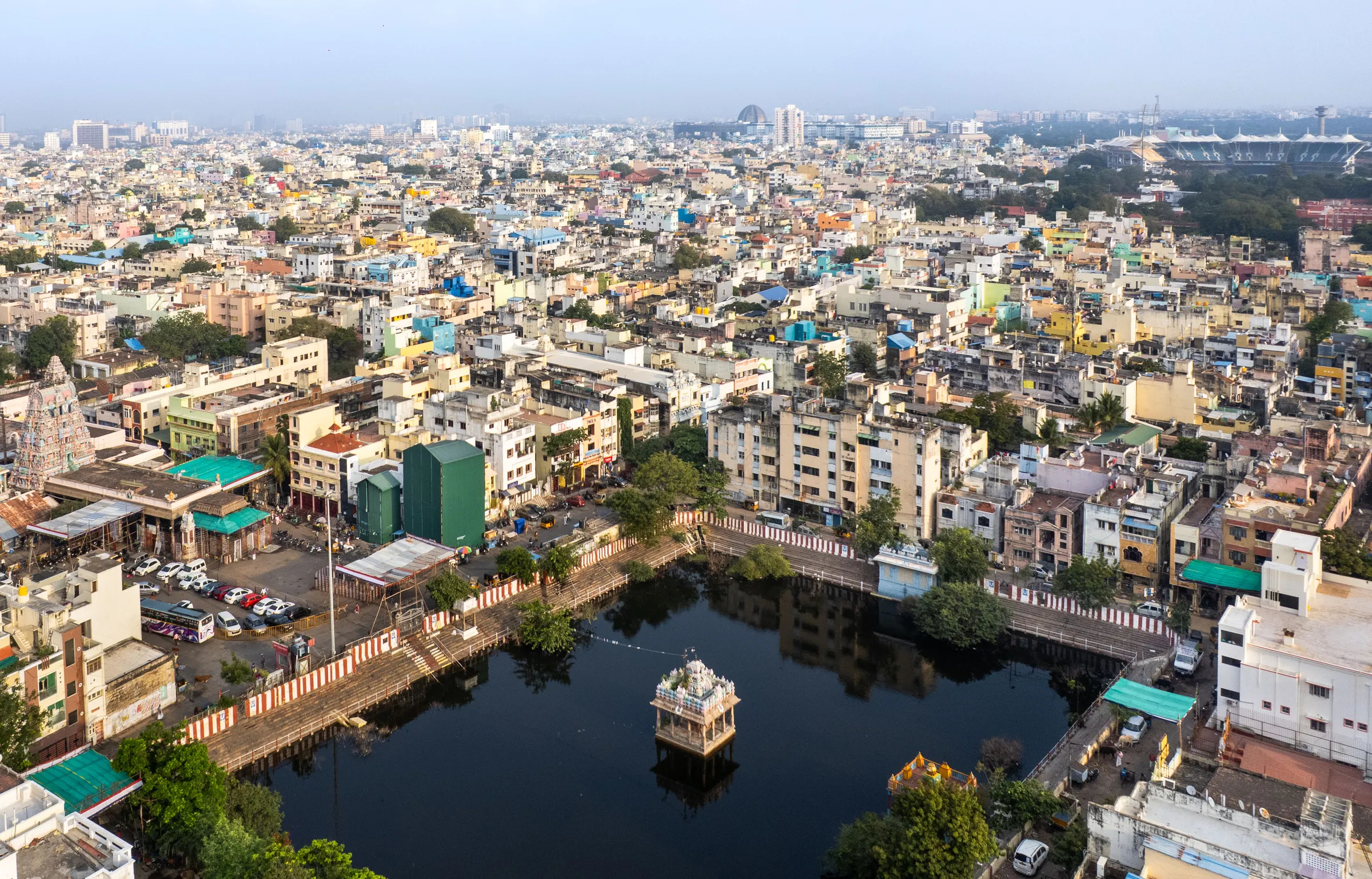
Later the Chōḷas and the Vijayanagara kings added features, and work led to the present-day structure of 1564 CE. The Parthasarathi temple is the core of Tiruvallikeni village, which formed around it in ancient times. Triplicane, the anglicized name for Tiruvallikeni, was the first area annexed to the British Madras city, being considered a good settlement area, and the British rented the village from the Sultan of Golconda in 1676.
Dating
Pallava reconstruction and embellishment; present-day structure dated 1564 CE; later Chōḷa and Vijayanagara features.
03 Mythological
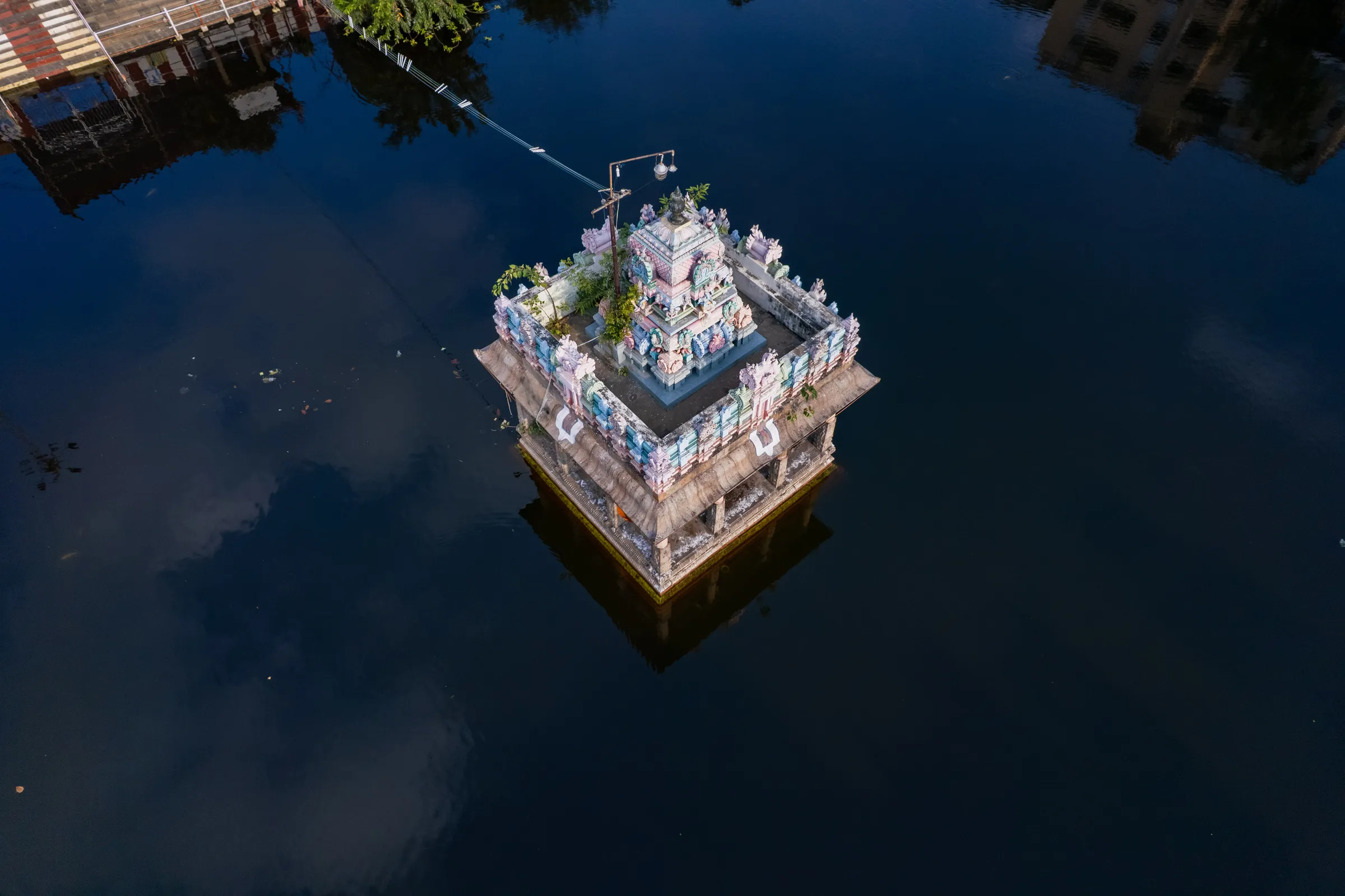
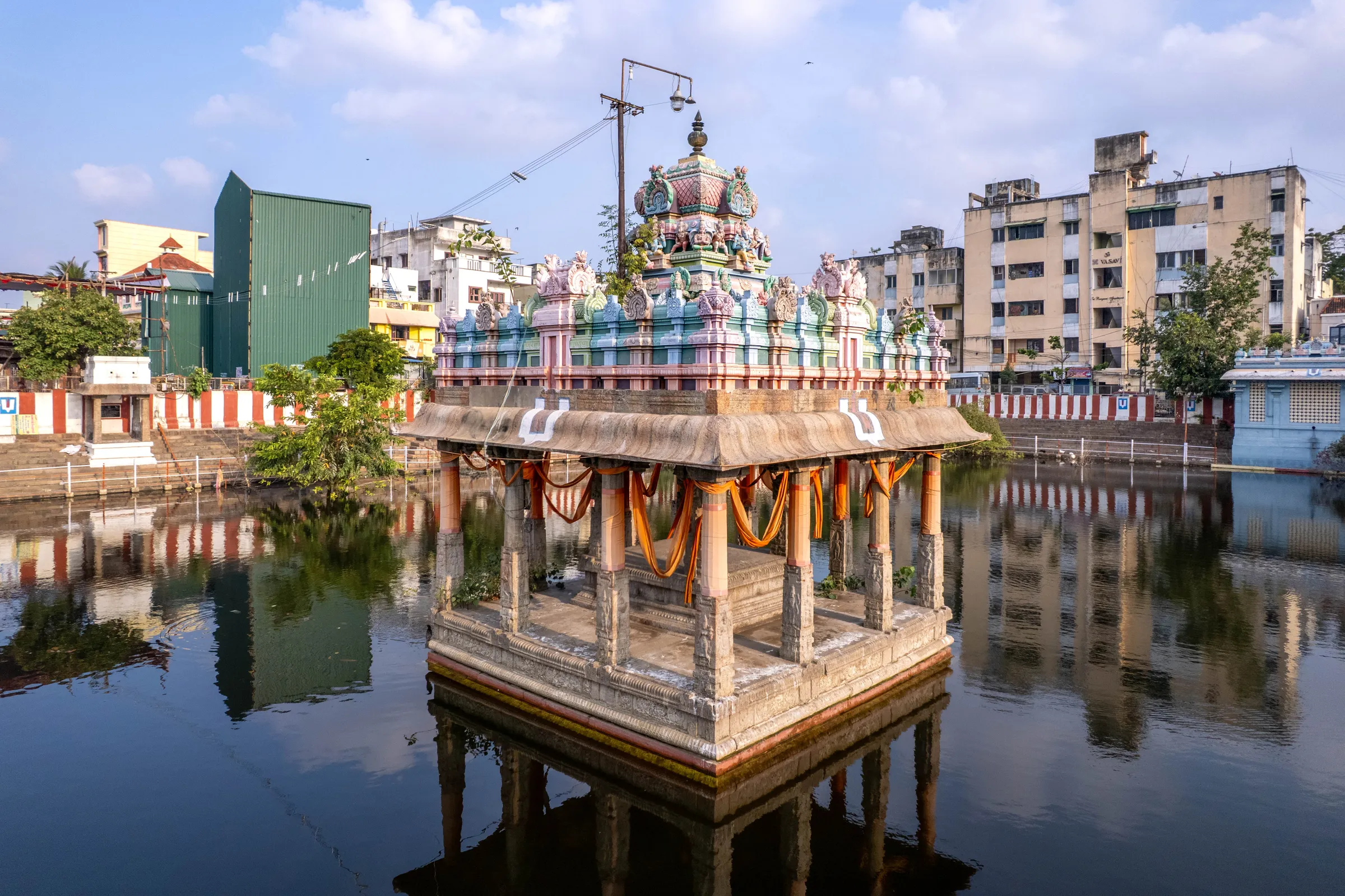
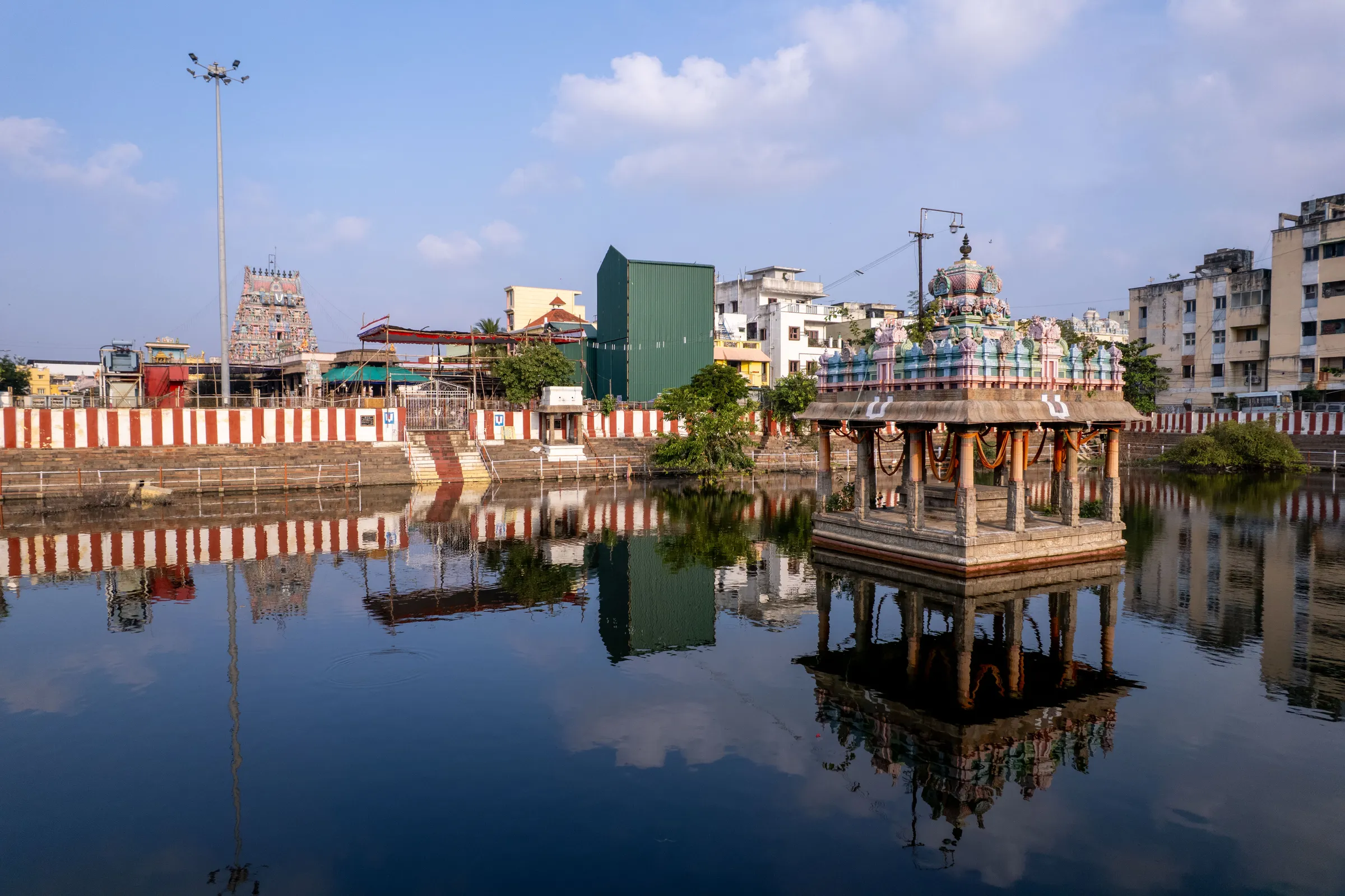
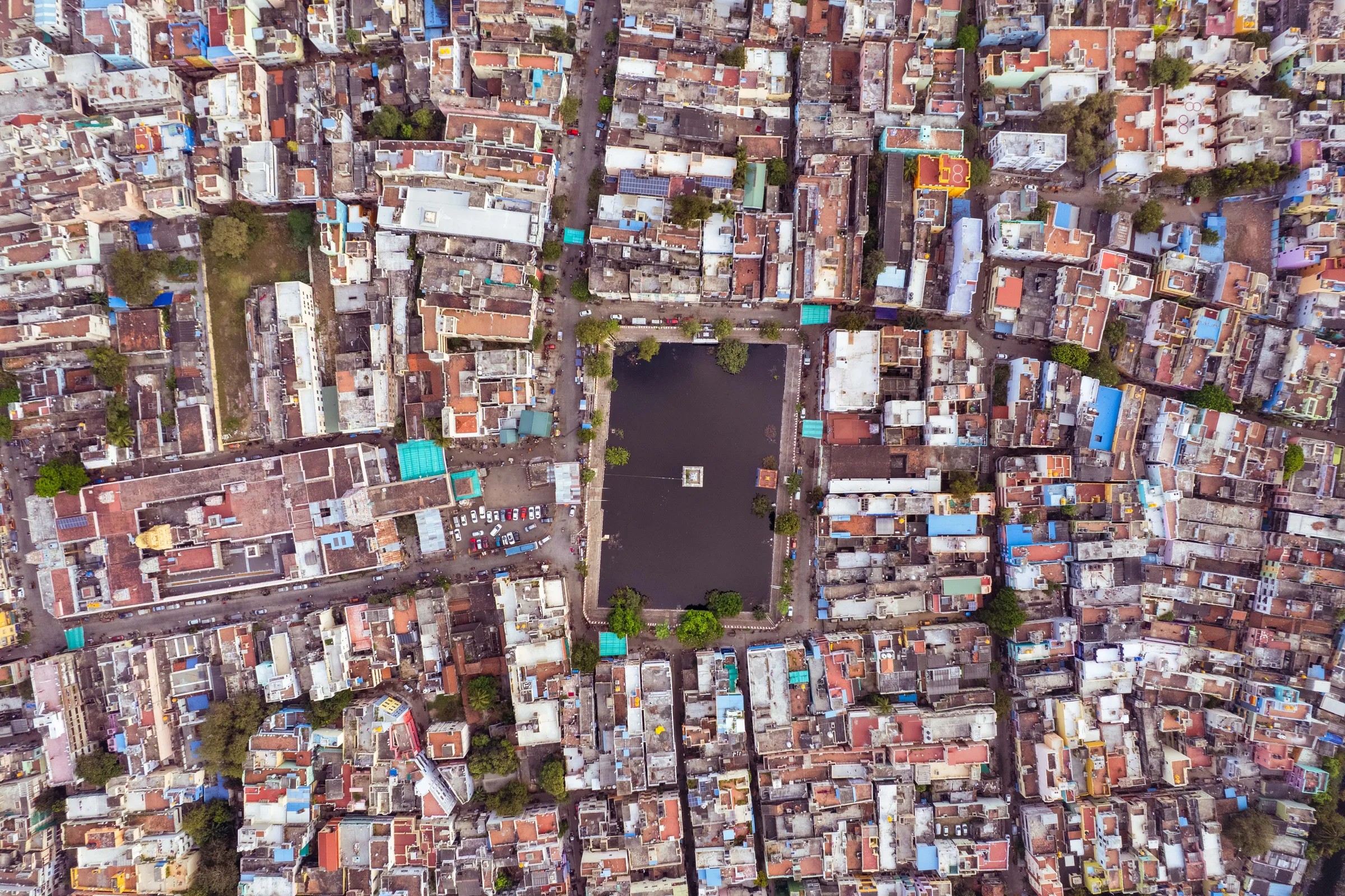
as transmitted Peyalvar of the 5th or 6th century CE sang in praise of the deity of Triplicane, and his Tiruvallikeni is read as a combination of Tiru and Allikeni, the sacred lily pond. Alternatively, the Sanskrit name Kairavini, meaning lily pond, may have combined with Tiru to give the name. The father of the great Vaishnava teacher Ramanuja is said to have received advice to bathe in the temple tank in order to conceive a child.
Tirumalisai Alvar joins Mayilai and Tiruvallikeni in the expression Mamayilai Mavellikenian, and Tirumangai Alvar of the 8th century CE uses Mamayilai Tiruvallekkeni. His pasurams on Triplicane describe the temple and its shrines and end with the refrain Tiruvallikeni kandene. He praises Tennan Tondaiyarkon for building tall buildings, gardens and ramparts.