Architectural
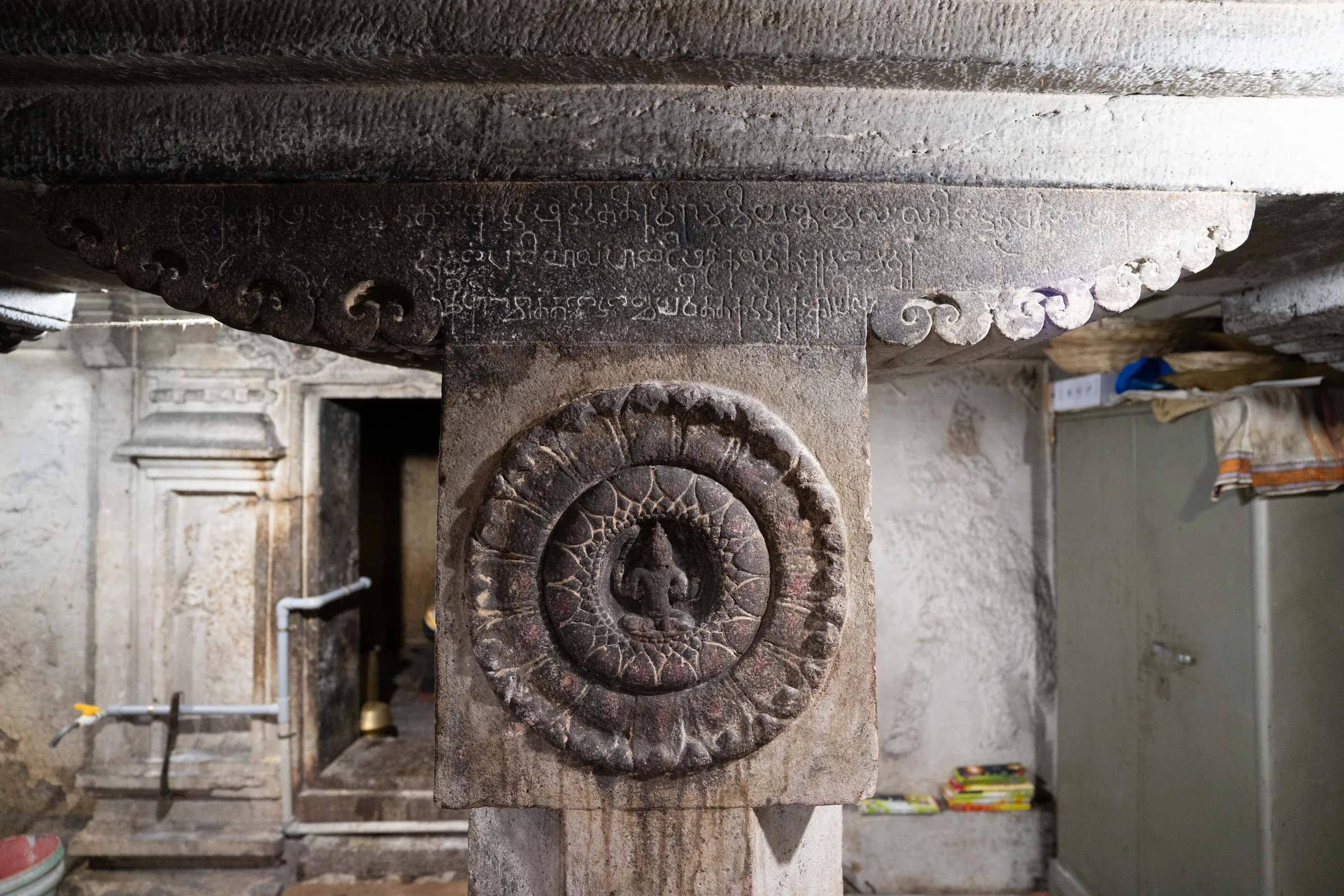
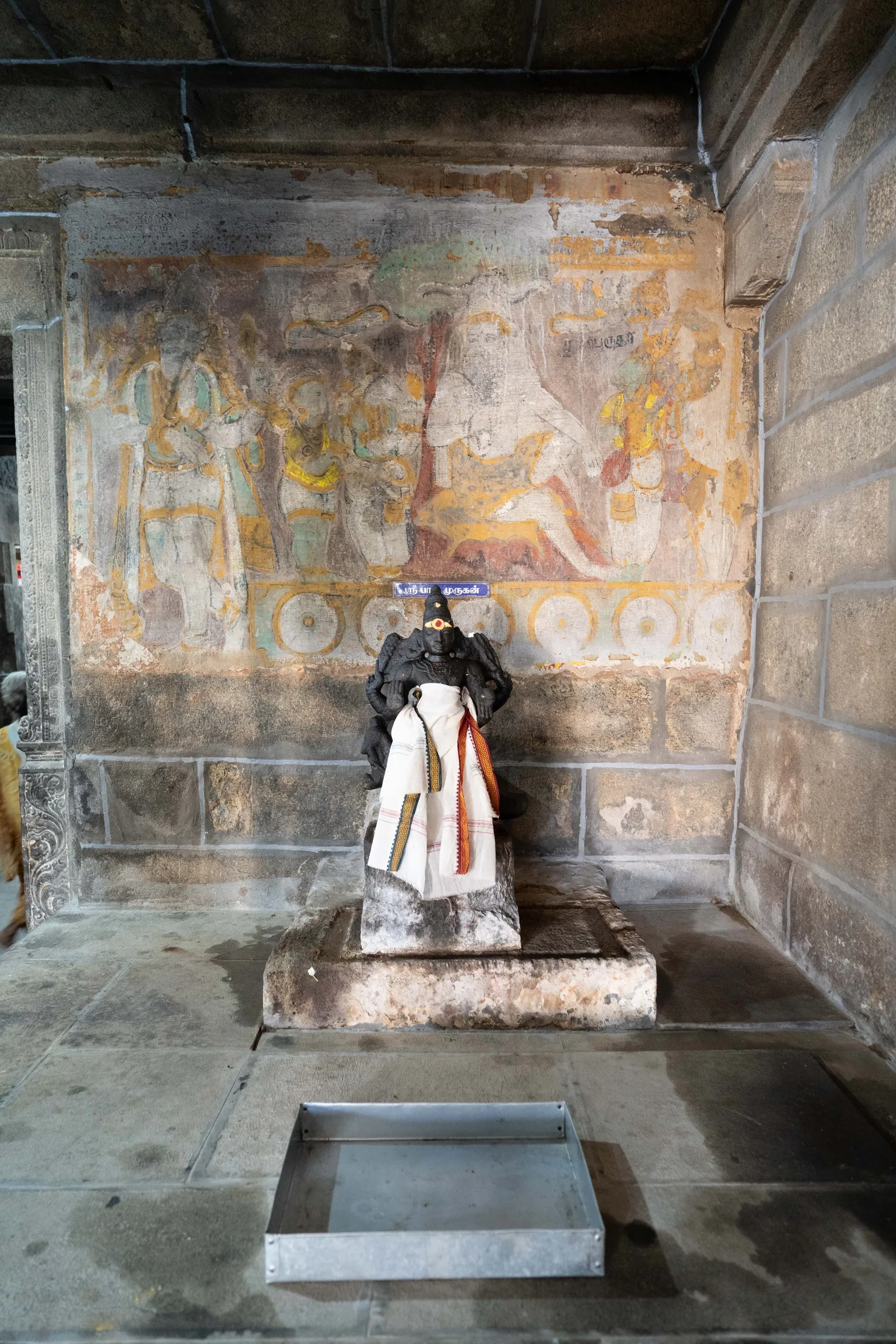
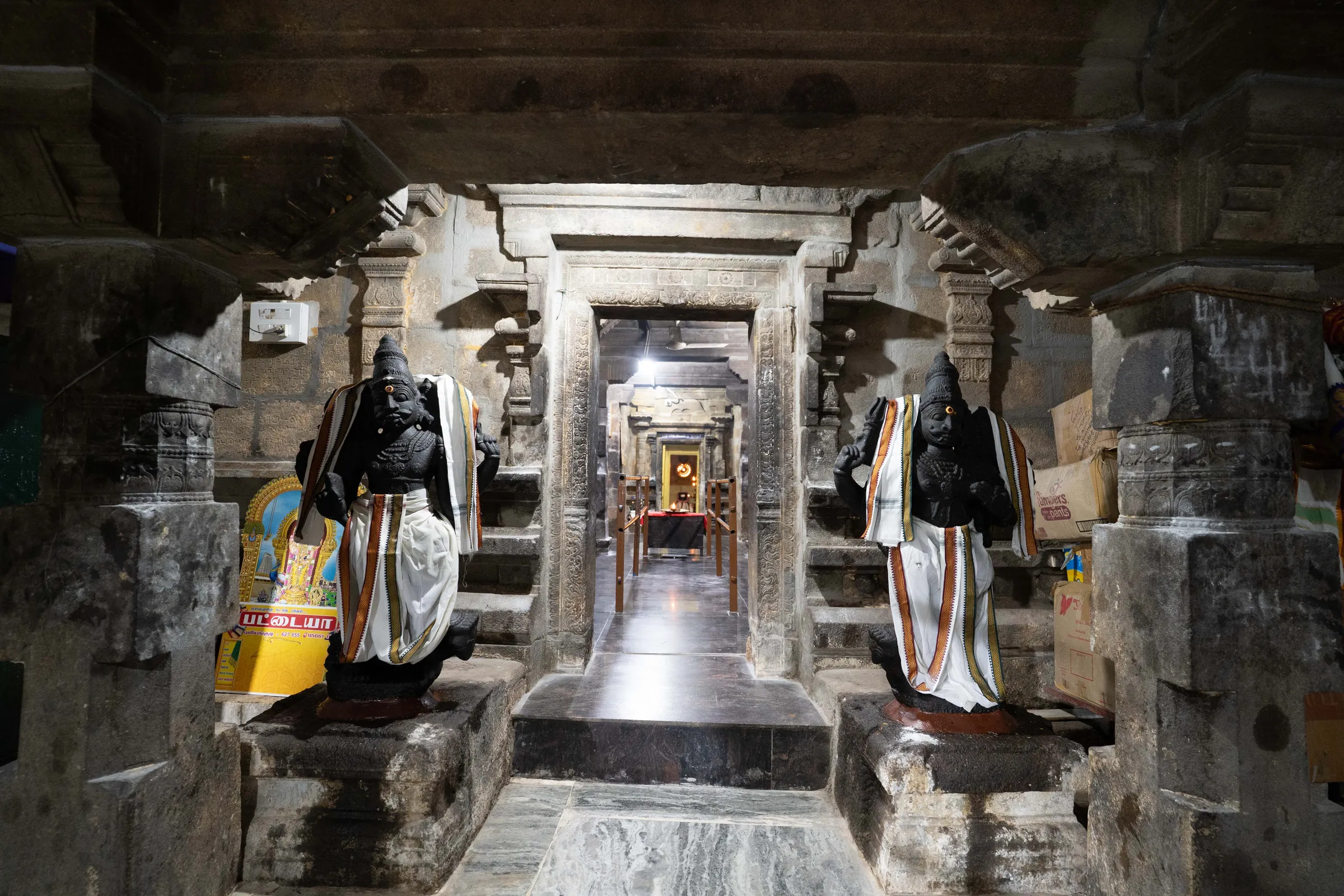
structure & vocabularyThe Malaiyadikurichi cave temple, dedicated to Mahadeva Swamy in the form of a lingam, is of the early Pandya style of excavation. It has two entrances, one east and one south, with two Nandi idols outside the southern entrance, and doorframes embellished with small nagabandhas, torana and a lotus medallion. The plan is a sanctum with a pillared mukhamandapa before it, and a mahamandapa near the eastern entrance; the mahamandapa is a later Nayaka addition, its pillar potikas in a modified Chola style. A south-facing sanctum is dedicated to Maragathavalli Amman, consort of Mahadeva Swamy.
Above the main sanctum entrance is a Makara Torana, a floral torana emerging from the mouths of mythical crocodile heads. Here, unusually, there are four makaras, two flanking the central floral circle of the lintel and two at the far end facing north and south. The floral decorations are very contemporary in style; some believe they are stylized Kalpavriksha, the wish-fulfilling tree, a sacred Jain motif, making it likely the temple was originally Jain. Below, on either side of the doorway, are the scraped remnants of bas-relief images, probably dwarapalas.
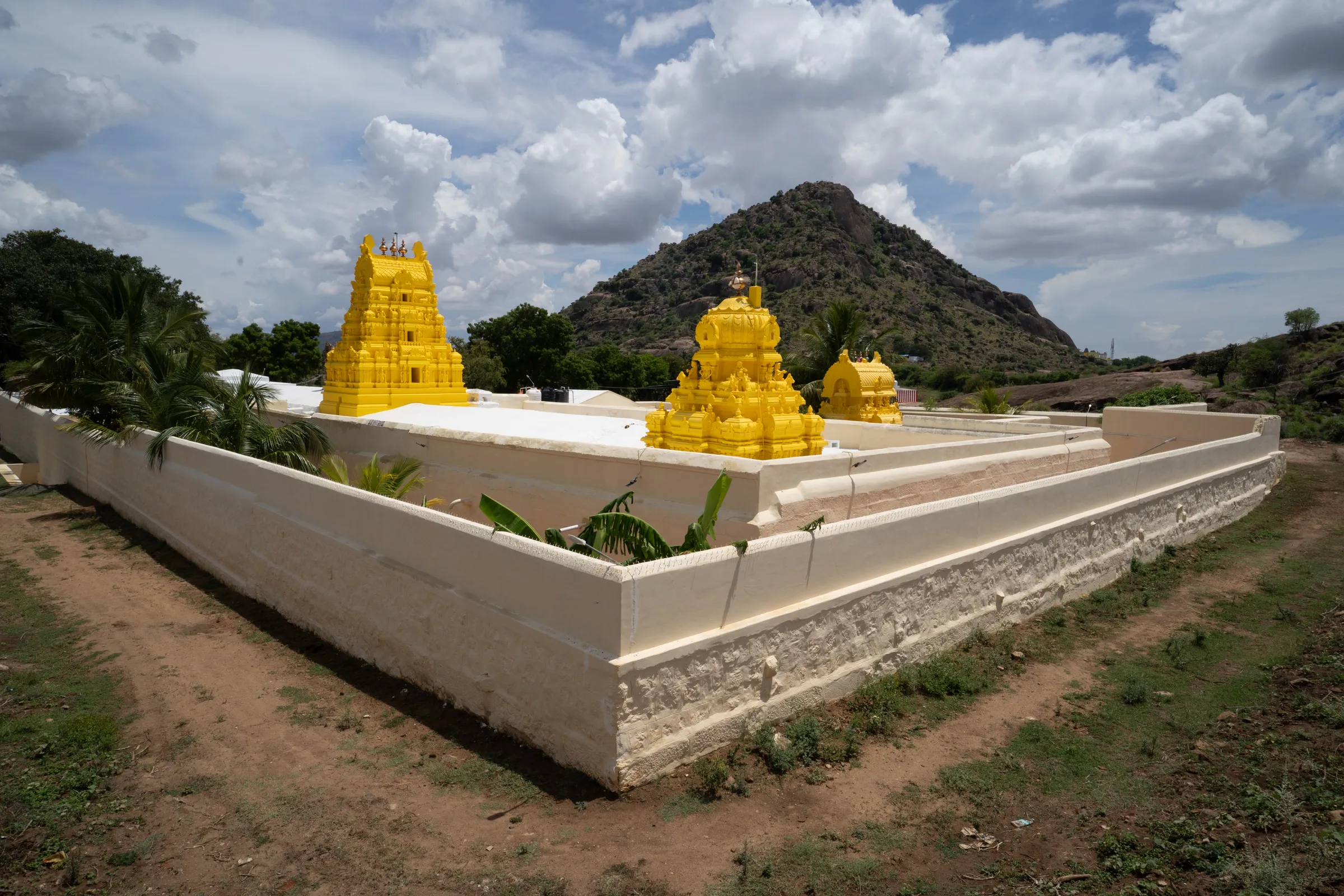
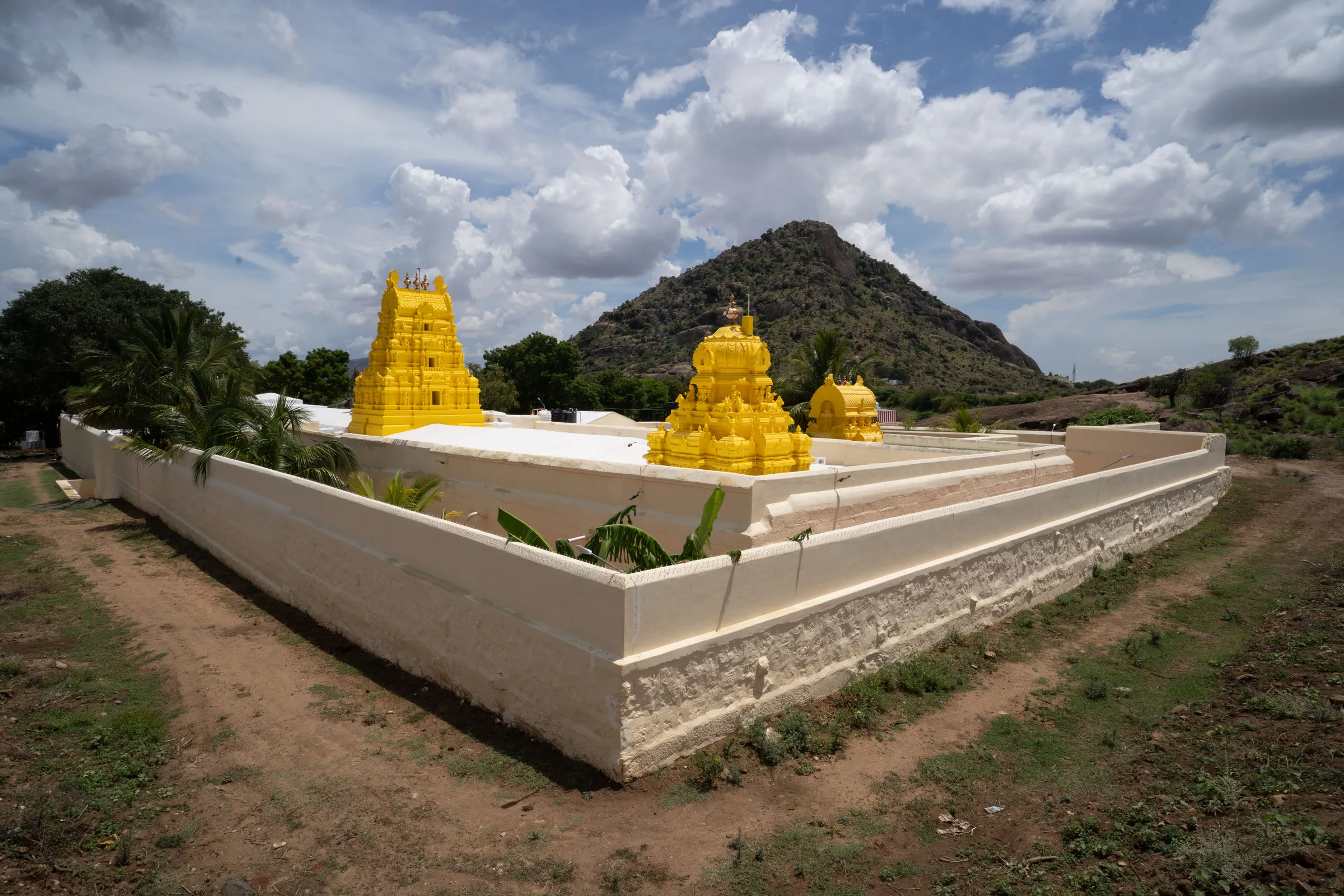
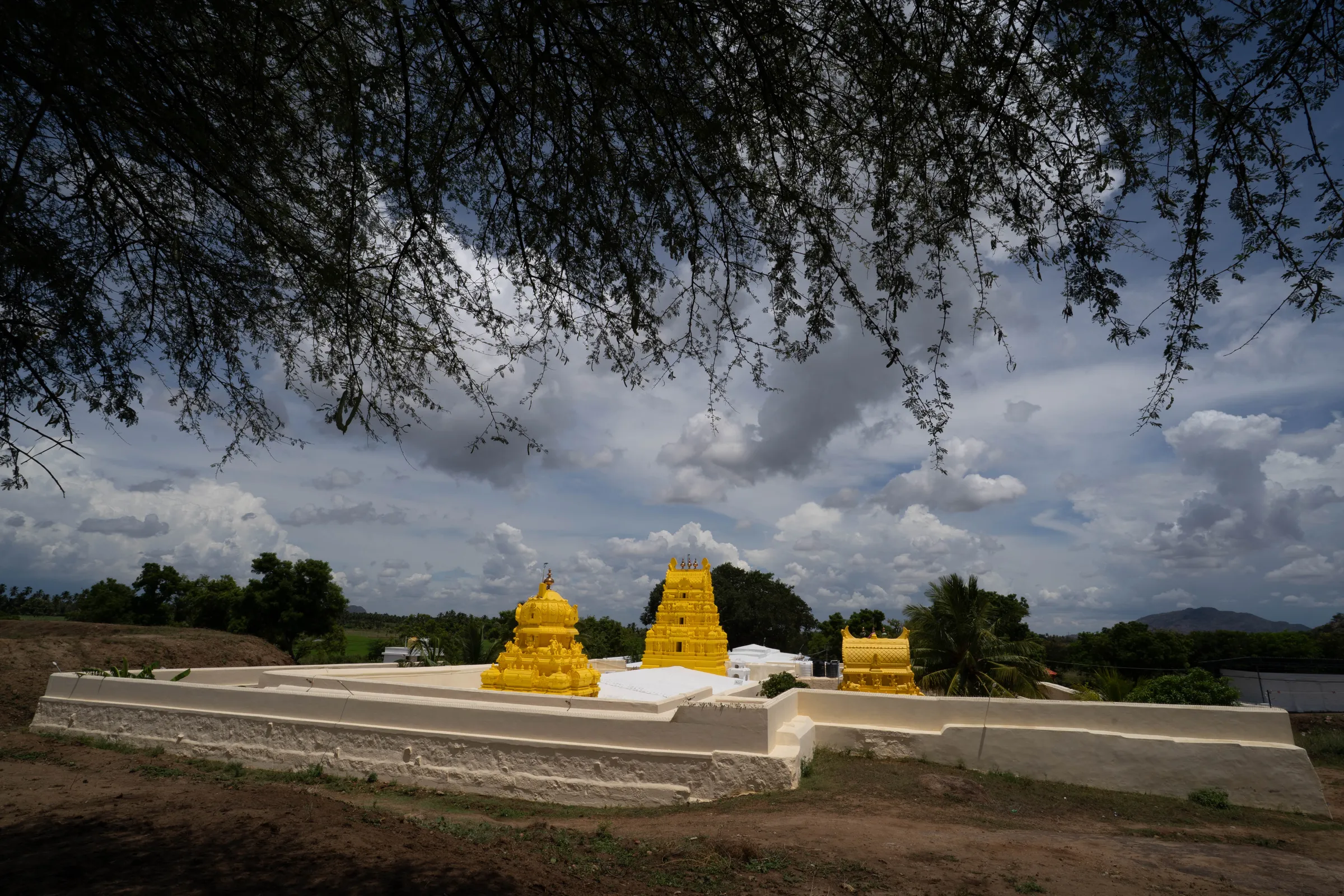
At the nearby structural Madhyasthanathar temple, the style of the pillars connects it to the Pandya dynasty. In the pillared colonnade with the Dhwajastambam, the rows of pillars carry simple relief patterns, but the stylized potika nearer the ceiling holds a seated yali on each, accompanied by a Pushpa potika, an auspicious floral motif resembling a plantain flower. This bud-like motif, begun by the Pandyas, was carried further and made more ornate by the Vijayanagara and Madurai Nayaks, and marks an important transition in the history of temple pillars.