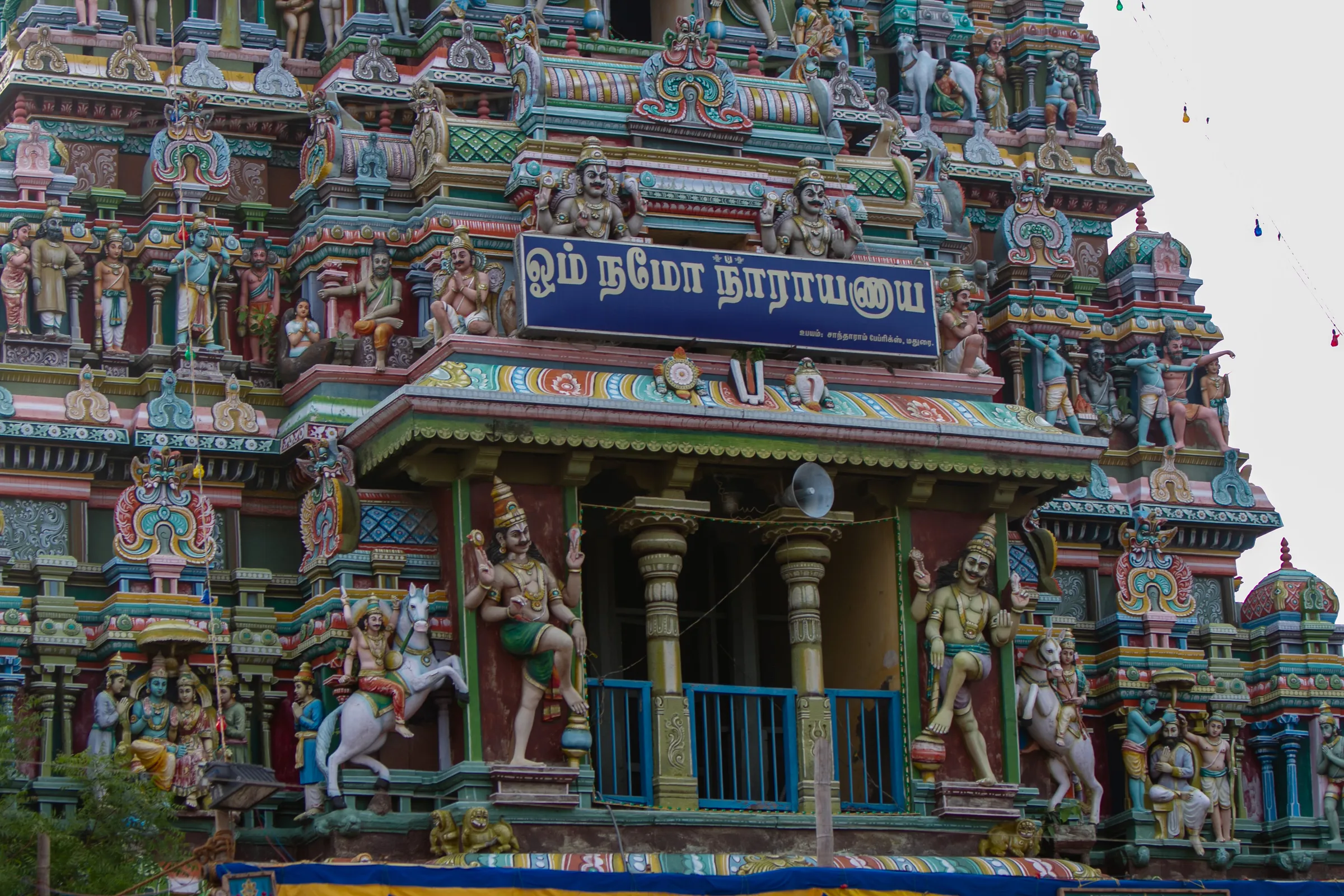
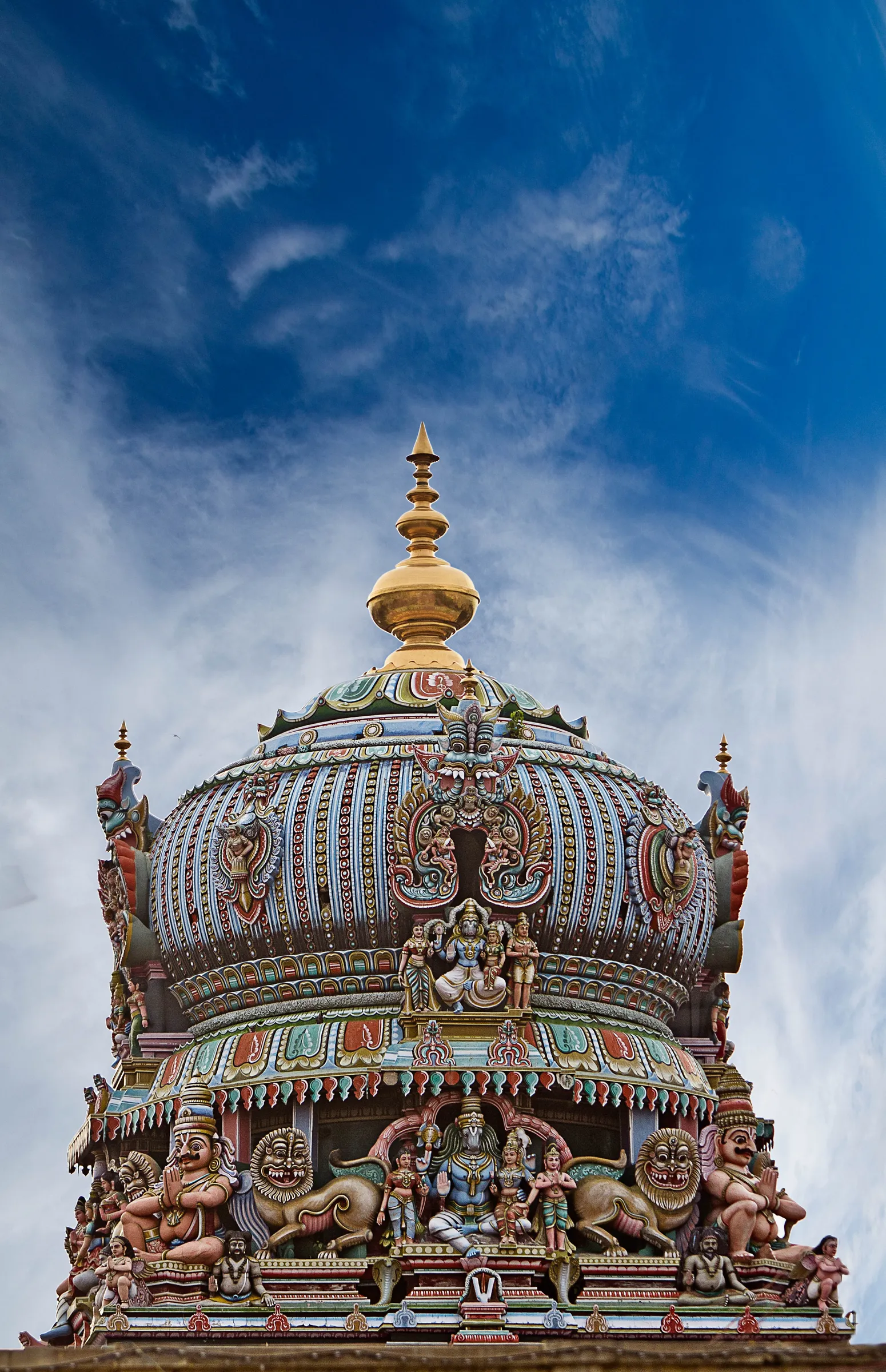
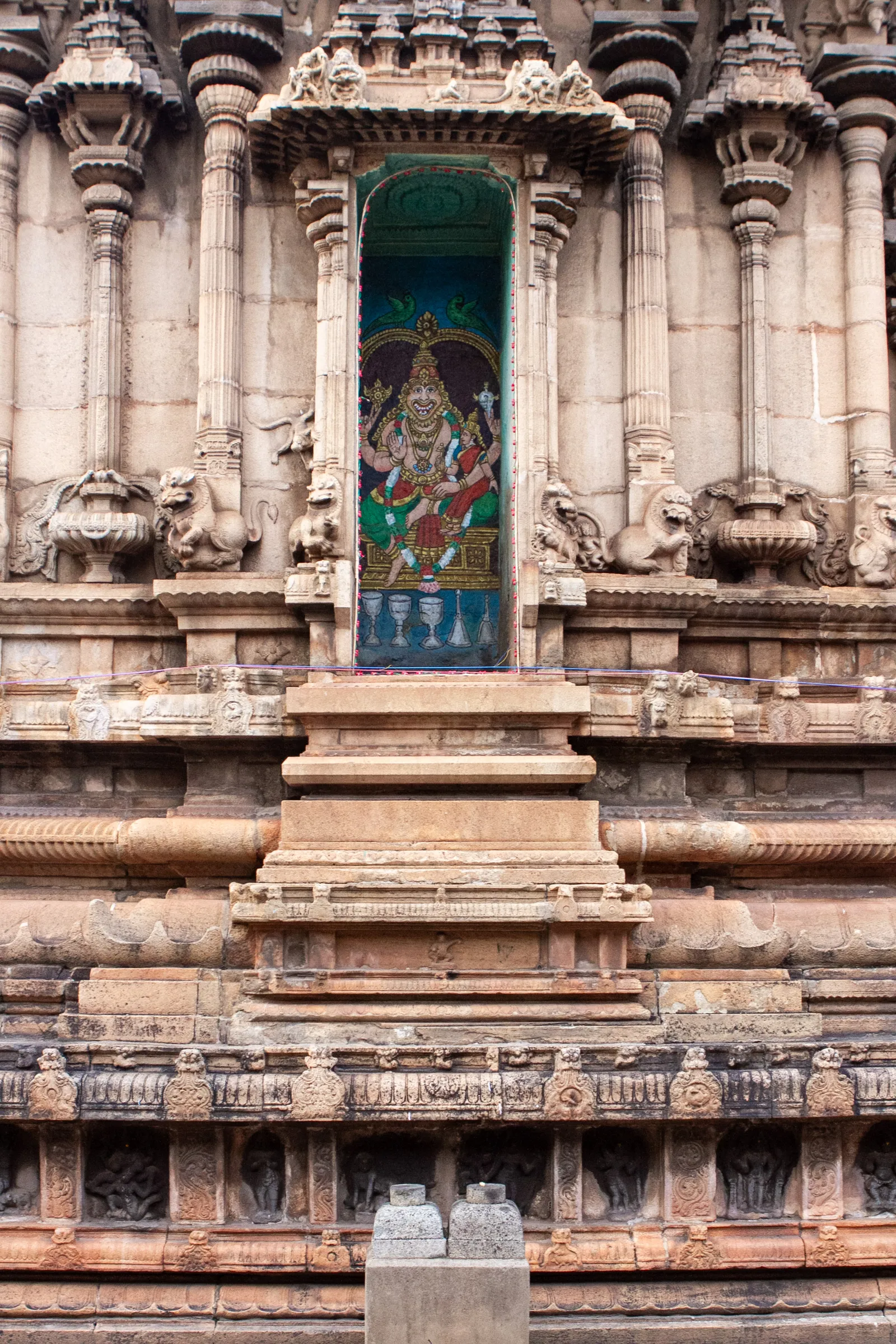
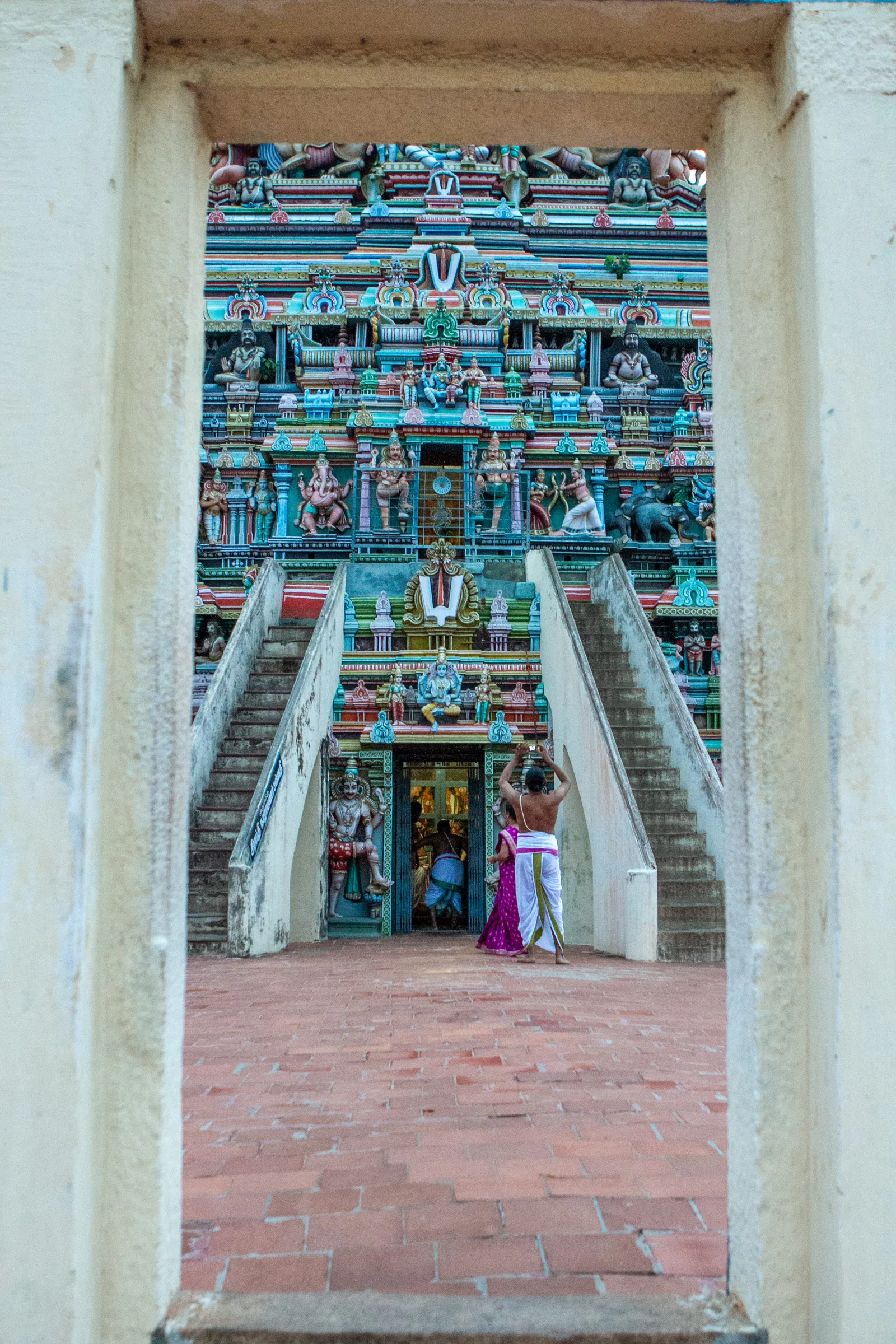
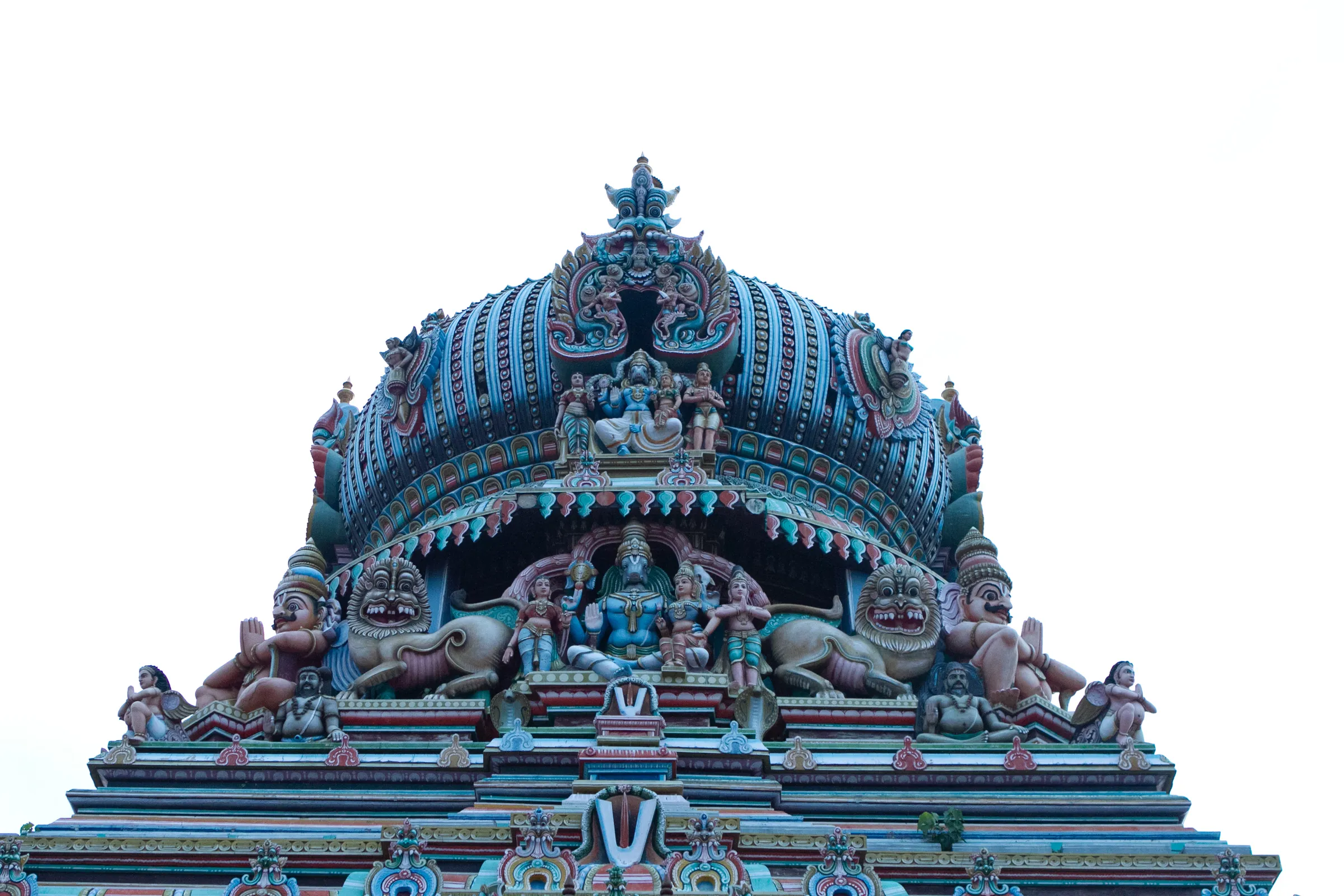
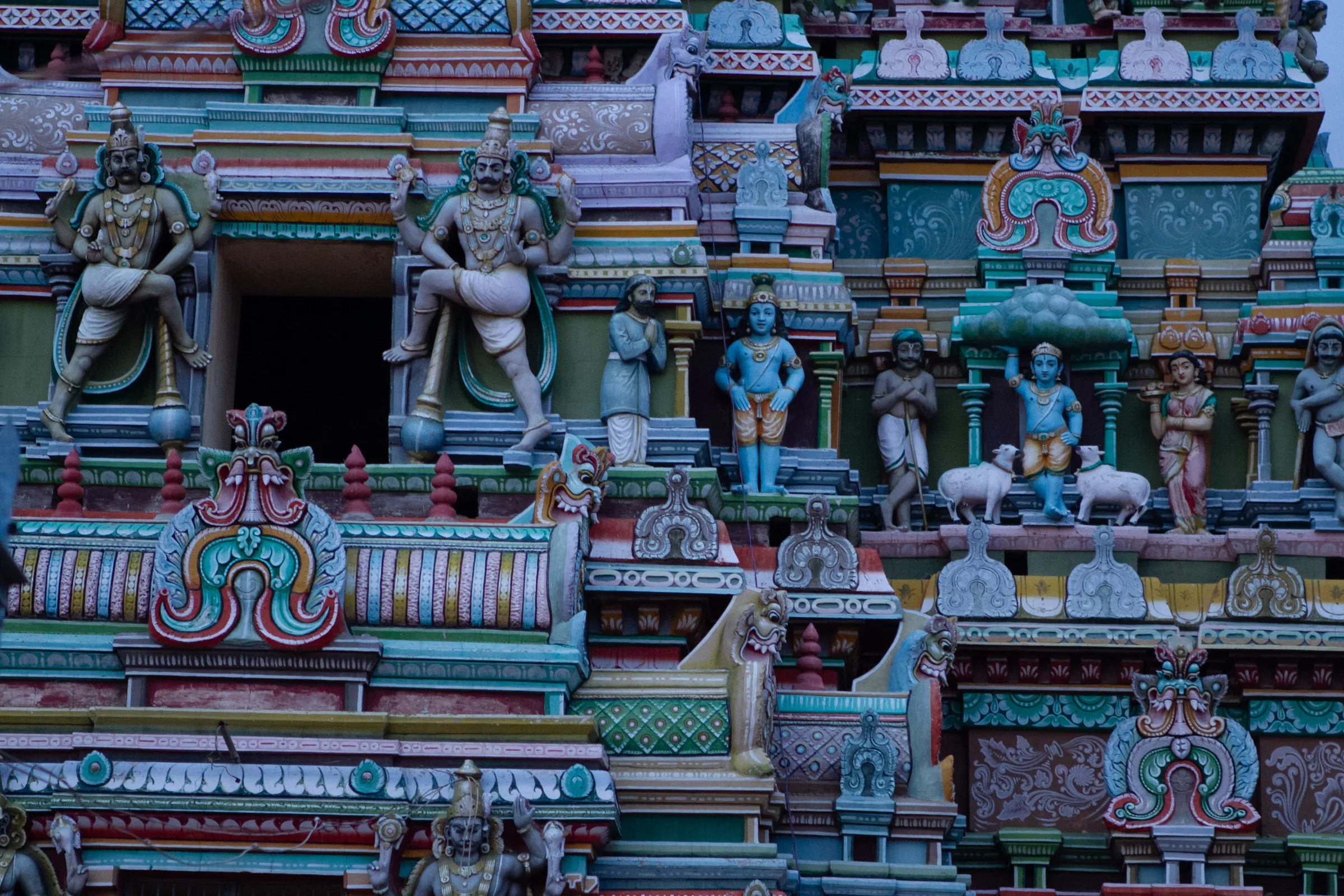
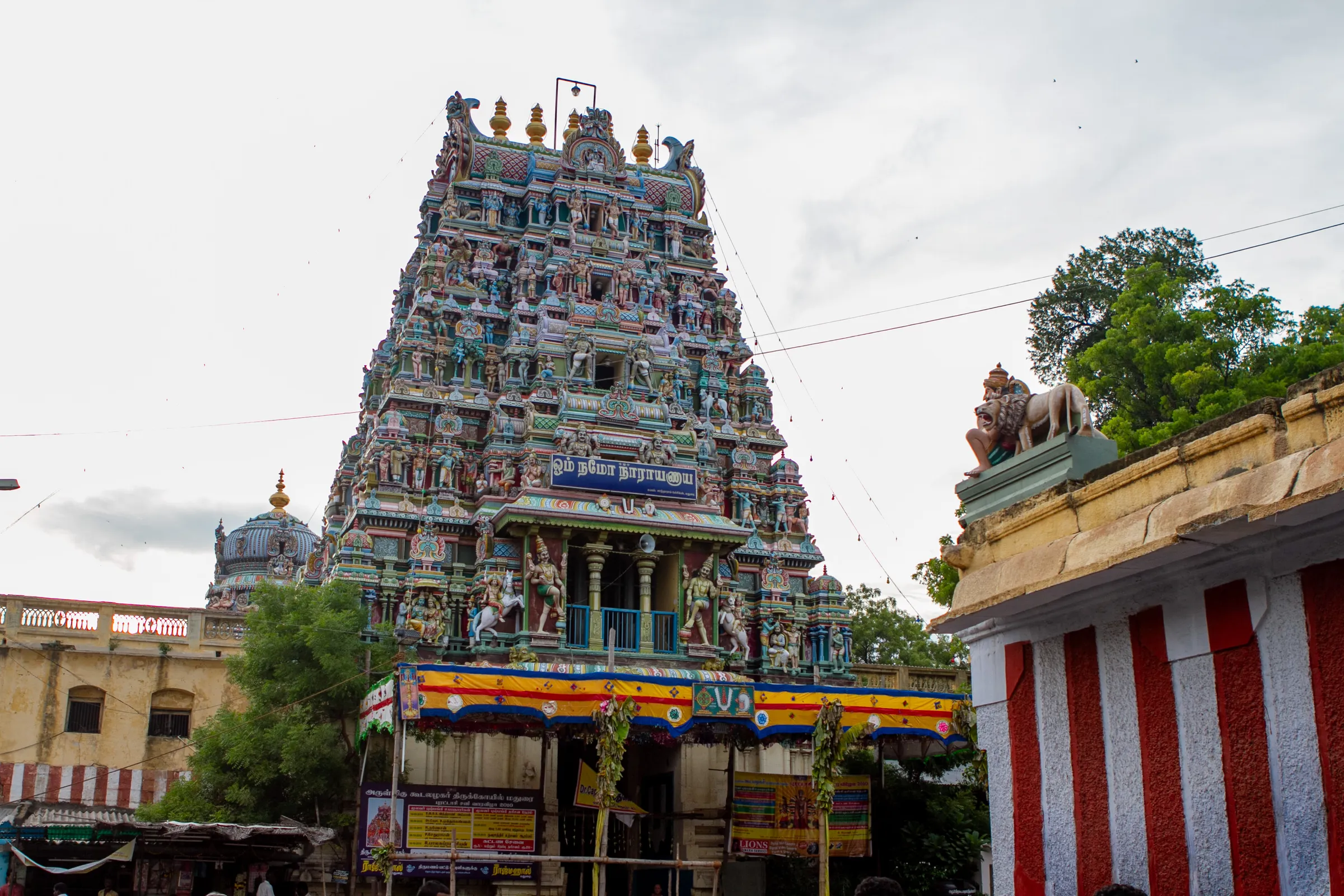
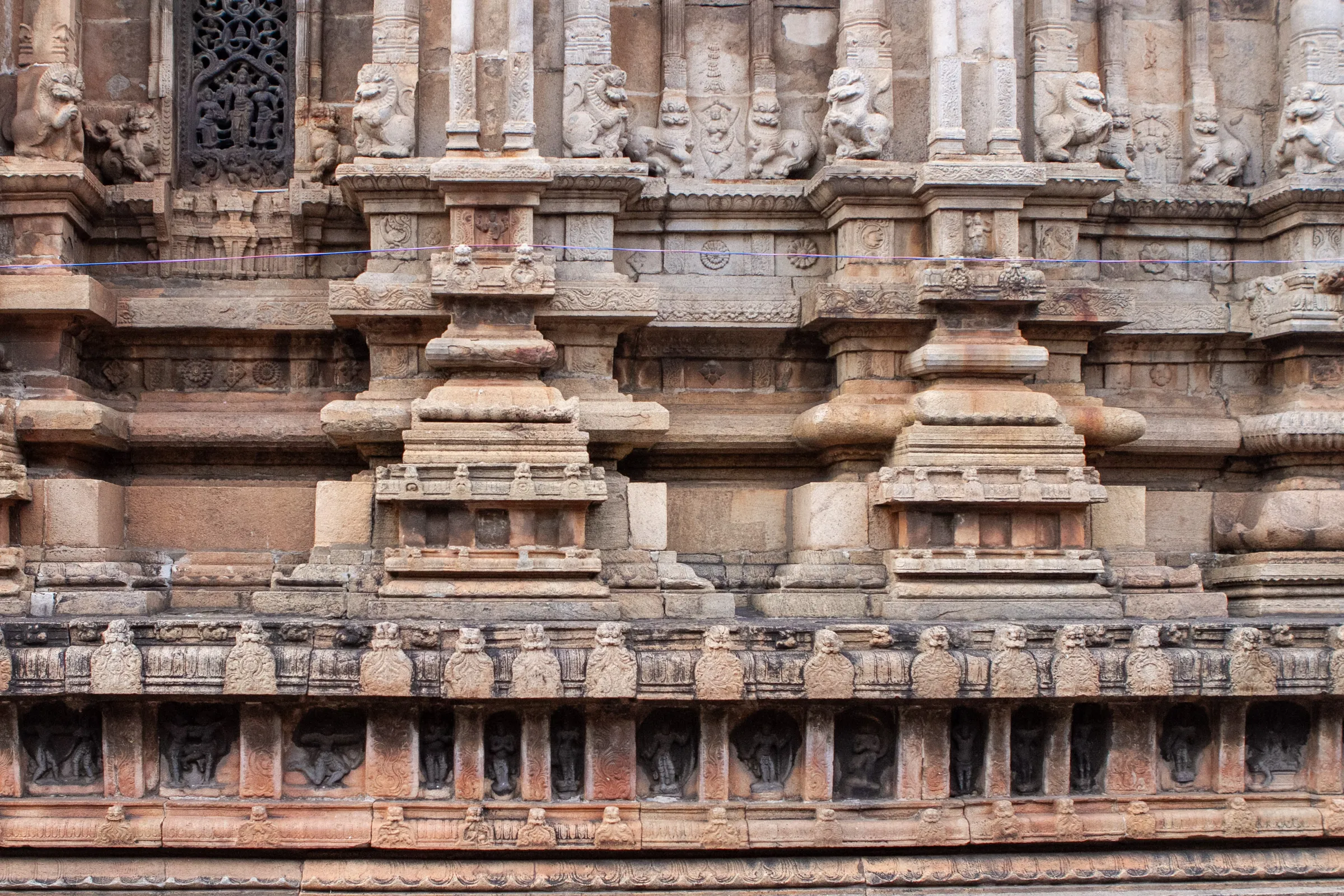
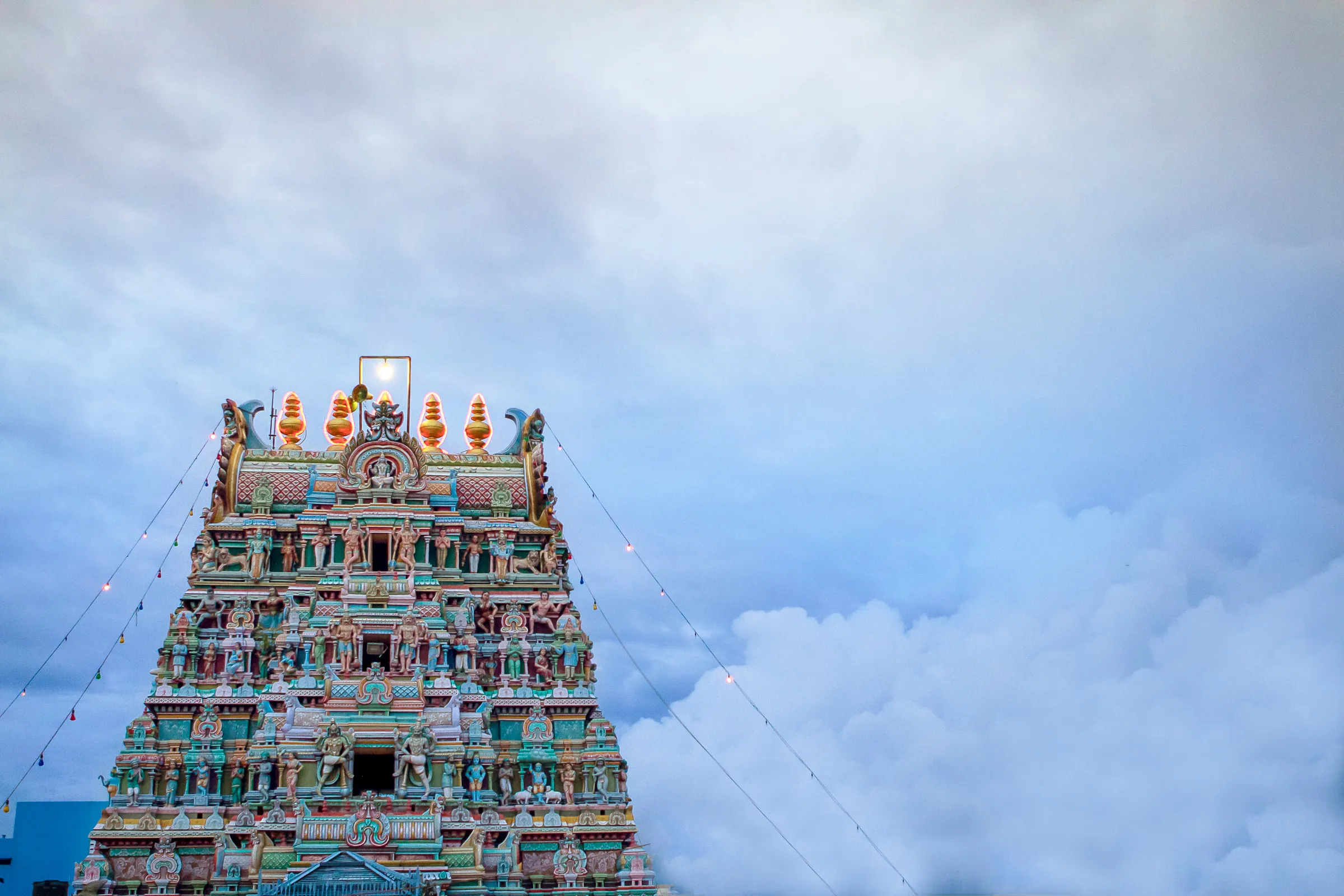
Koodal Azhagar Temple, photograph
← Pandya Nadu
Entry 085

Koodal Azhagar Temple

Madurai · Madurai · Pāṇḍya, with later Vijayanagara and Nāyaka additions

A Divya Desam near the Madurai Meenakshi temple, hailed in the Divya Prabandham and named in Paripadal and Silappathikaram. Viṣṇu is worshipped here as Viyooga Sundararajan, his consort as Mathuravalli.

Koodal Azhagar stands near the Meenakshi temple at Madurai, one of the Divya Desams of the Vaiṣṇava canon. The record places its origin with the Pāṇḍyas and its later growth with the Vijayanagara and Nāyaka rulers; the legend records the making of the Alwar Periyalvar.

The photographs

Plates · 13

Koodal Azhagar Temple, photograph
© Amar Ramesh and team · All rights reserved
Koodal Azhagar Temple, photograph
© Amar Ramesh and team · All rights reserved
Koodal Azhagar Temple, photograph
© Amar Ramesh and team · All rights reserved
Koodal Azhagar Temple, photograph
© Amar Ramesh and team · All rights reserved
Koodal Azhagar Temple, photograph
© Amar Ramesh and team · All rights reserved
Koodal Azhagar Temple, photograph
© Amar Ramesh and team · All rights reserved
Koodal Azhagar Temple, photograph
© Amar Ramesh and team · All rights reserved
Koodal Azhagar Temple, photograph
© Amar Ramesh and team · All rights reserved
Koodal Azhagar Temple, photograph
© Amar Ramesh and team · All rights reserved
Koodal Azhagar Temple, photograph
© Amar Ramesh and team · All rights reserved
Koodal Azhagar Temple, photograph
© Amar Ramesh and team · All rights reserved
Koodal Azhagar Temple, photograph
© Amar Ramesh and team · All rights reserved
01

Architectural

structure & vocabulary

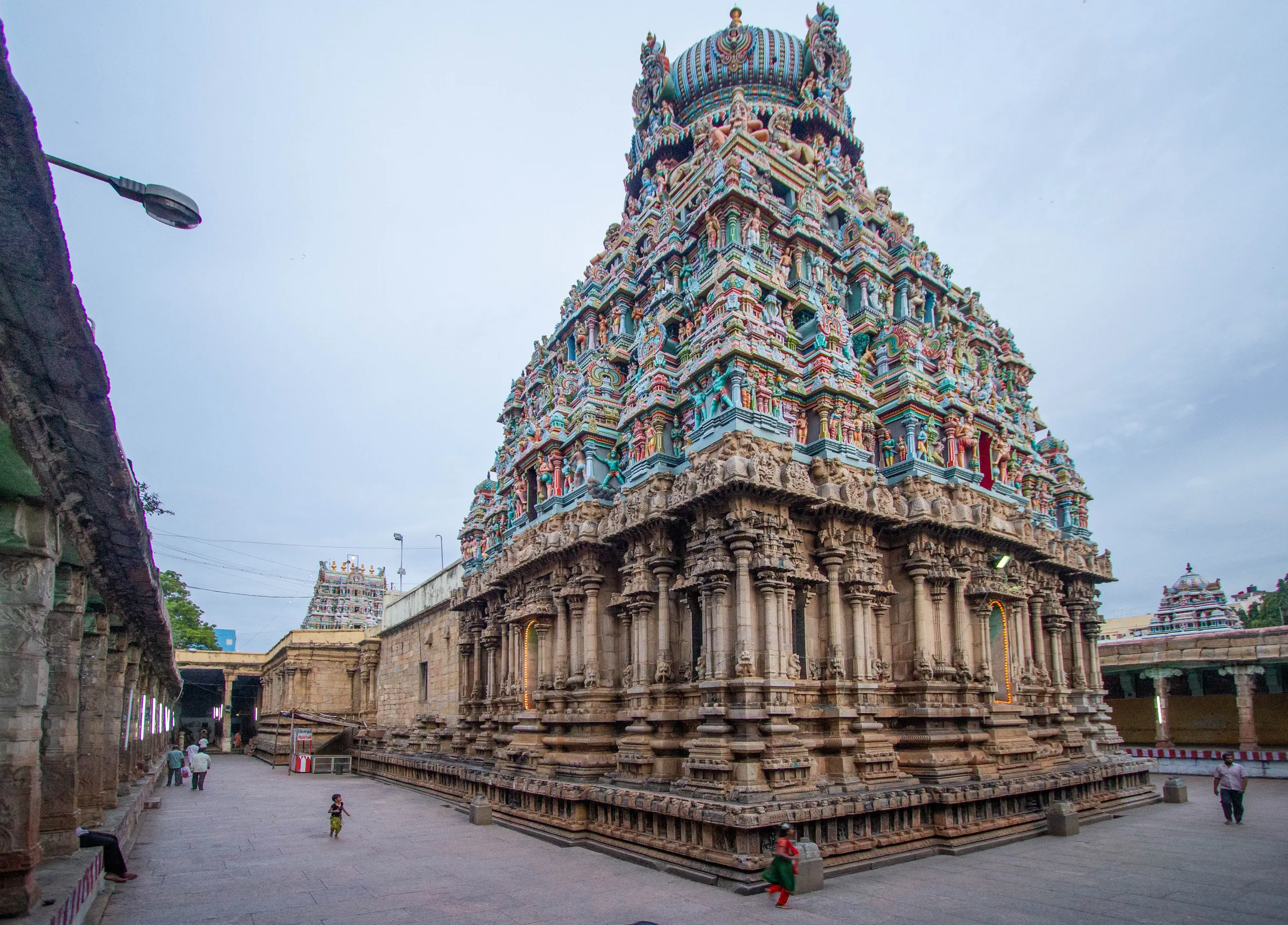
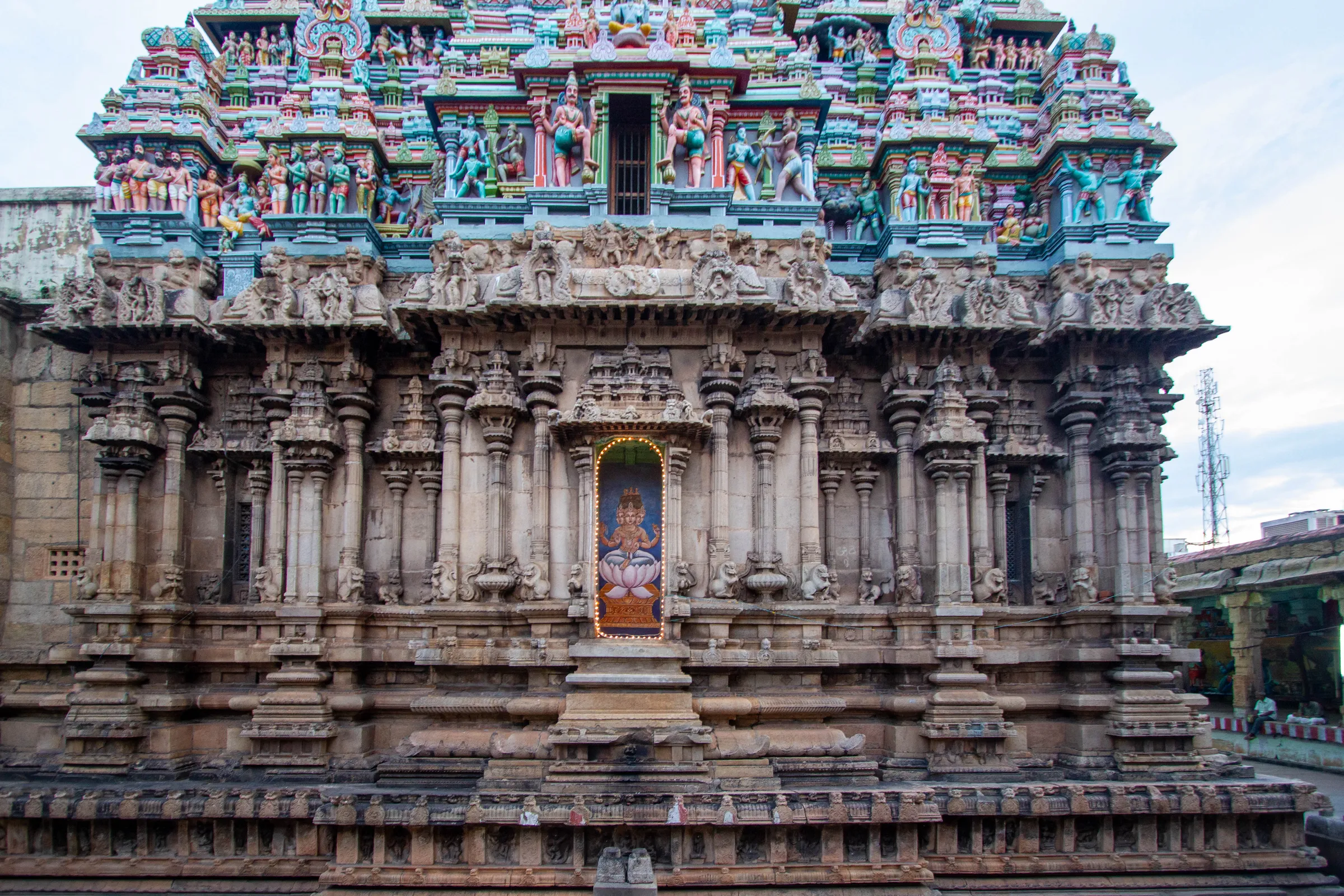
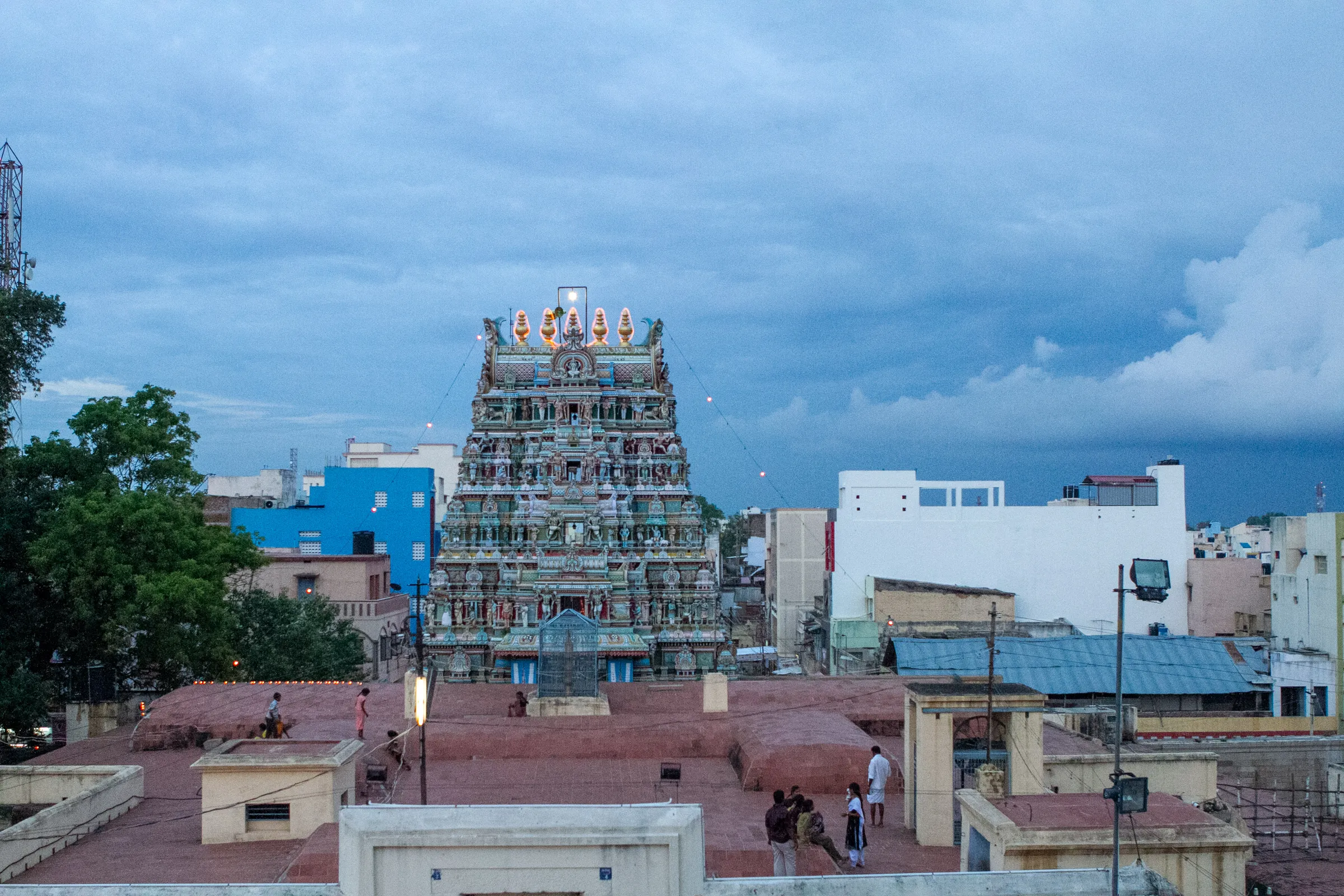
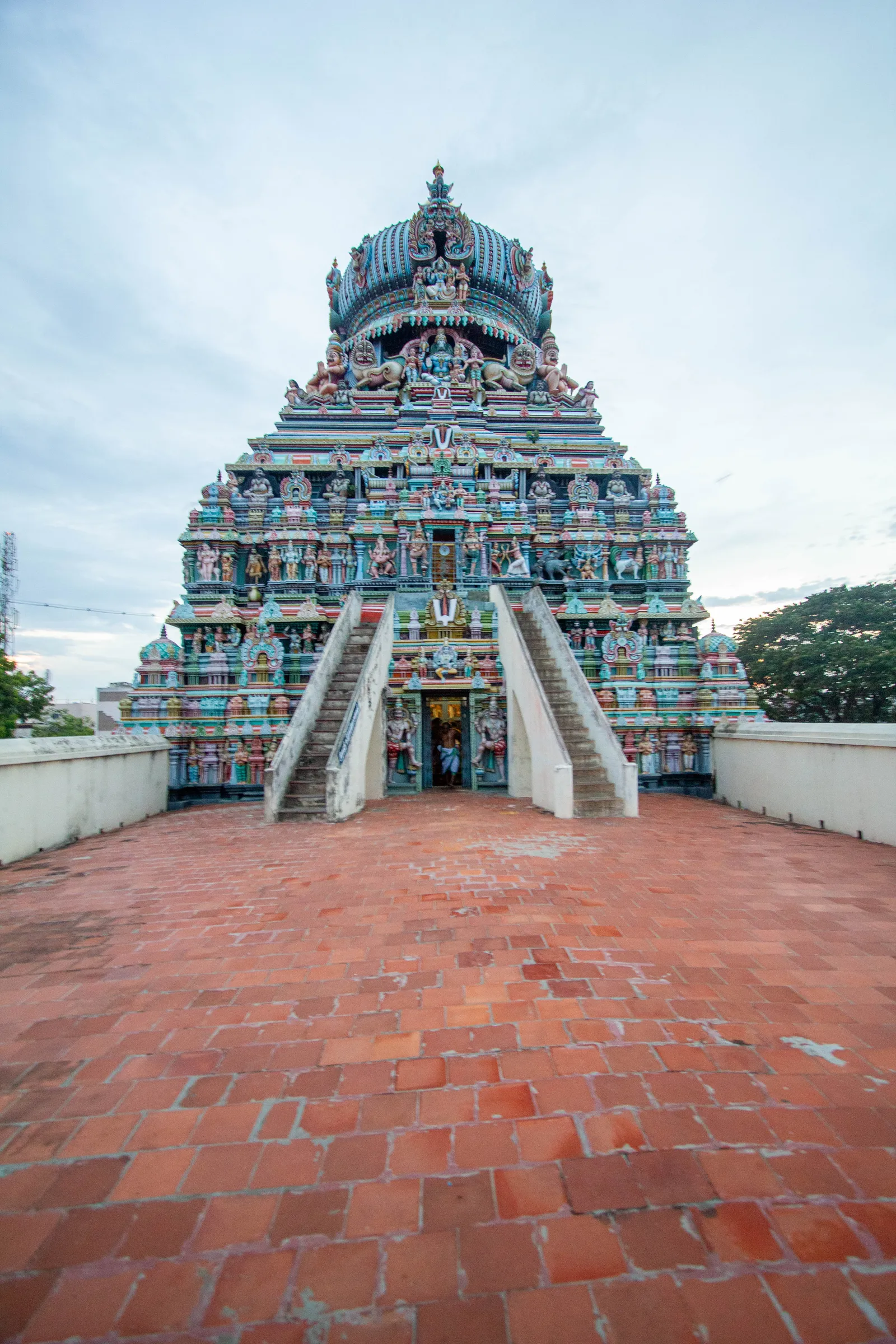
The temple carries a five-tiered Rajagopuram. The sanctum holds Sundararaja Perumal seated with his consorts, and a processional deity of panchaloga. The inner sanctum walls bear paintings of the Ashtadikpalakas, and the vimana carries stucco figures of a reclining and a standing Viṣṇu. It is held that the shadow of the vimana does not fall on the ground.

The shrine of Mathuravalli Thayar lies to the south of the main shrine. The first precinct holds shrines of Andal, Narasimha and Manavala Mamuni, the Andal shrine carrying puranic paintings and inscriptions of holy hymns. The second precinct holds shrines of Garuda, Anjaneya, Ramanuja, Vedanta Desika and the Alwars, with a shrine of Surya Narayana and the Navagraha.

02

Archaeological

dated & cited

The temple is believed to have been built by the Pāṇḍyas, with the Vijayanagara and Nāyaka rulers adding the pillared mandapas and shrines in the 16th century. An 8th-century inscription records the donation of granite stones for the Ardha Mandapa. A Madurai Nāyaka ruler raised the flag mast and the mandapa before the holy pond, the Hema Pushkarani.

In 1923 CE Devakottai Muthu Alagappa Chettiar built the Mathuravalli Thayar shrine and renovated the temple. Periyalvar, Tirumazhisai Alwar and Tirumangai Alwar, placed between the 5th and 9th centuries, have sung in praise of Koodal Azhagar.

03

Mythological

as transmitted

It is told that King Vallabadeva wished to know the inner meaning of the saying to collect provisions in summer and save for winter. Vishnuchita, then in Madurai, expounded the Vedas and taught the king that attaining the feet of Narayana is the only path to salvation. Honoured with gold, Vishnuchita used it to build the gateway tower of Srivilliputhur, and on his way back composed and recited the Pallandu. From then he was called Periyalvar.

Register interest in prints Buy the book
Improve this entry

This is an open, reviewed record. If you have spotted an error or have something to add — a correction, a date, a source, a name in another script — propose it. Every change is reviewed before it joins the record.

“Suggest an edit” opens this entry on GitHub and turns your change into a pull request. “Share feedback” opens a short form. Both go through review.