Architectural
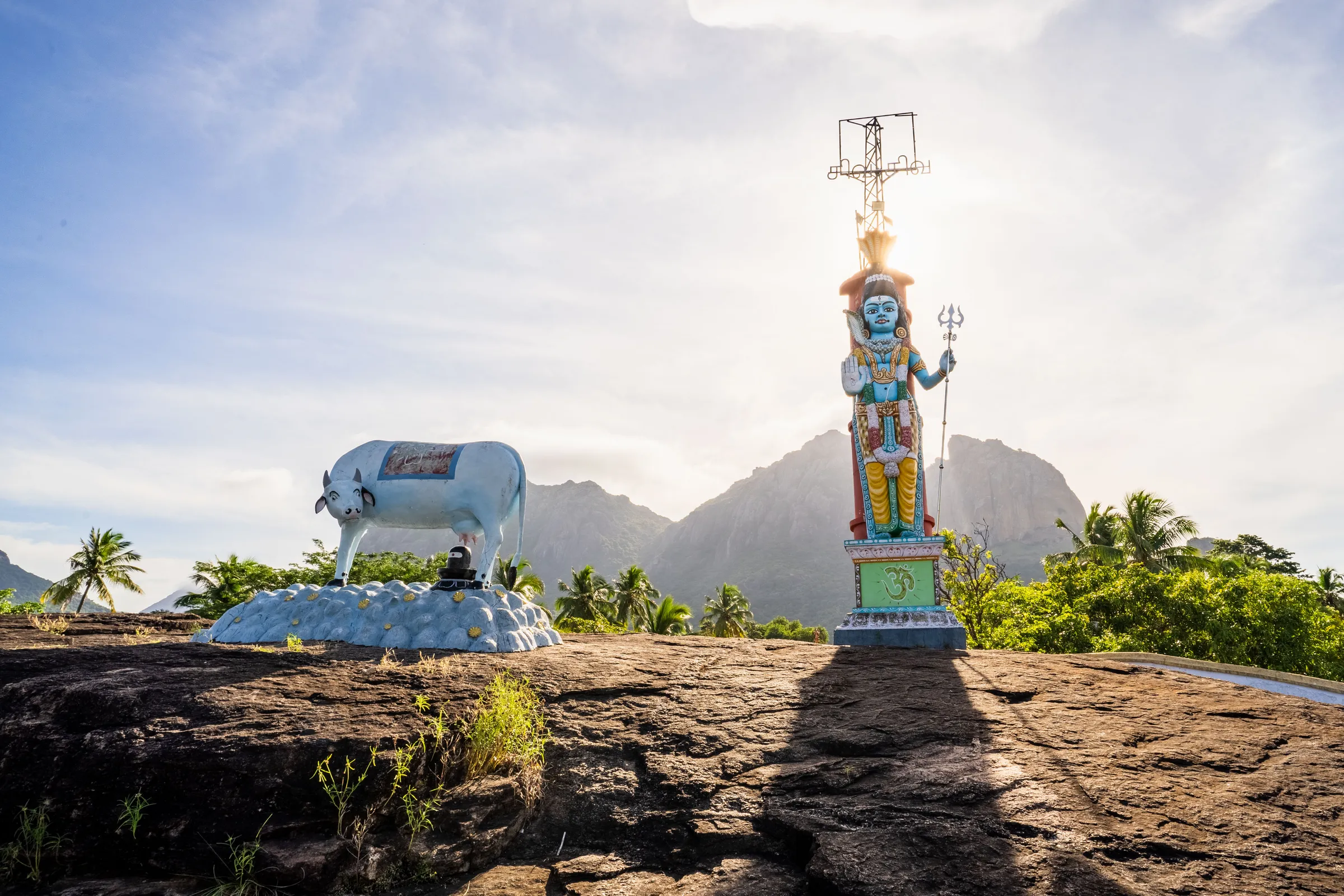
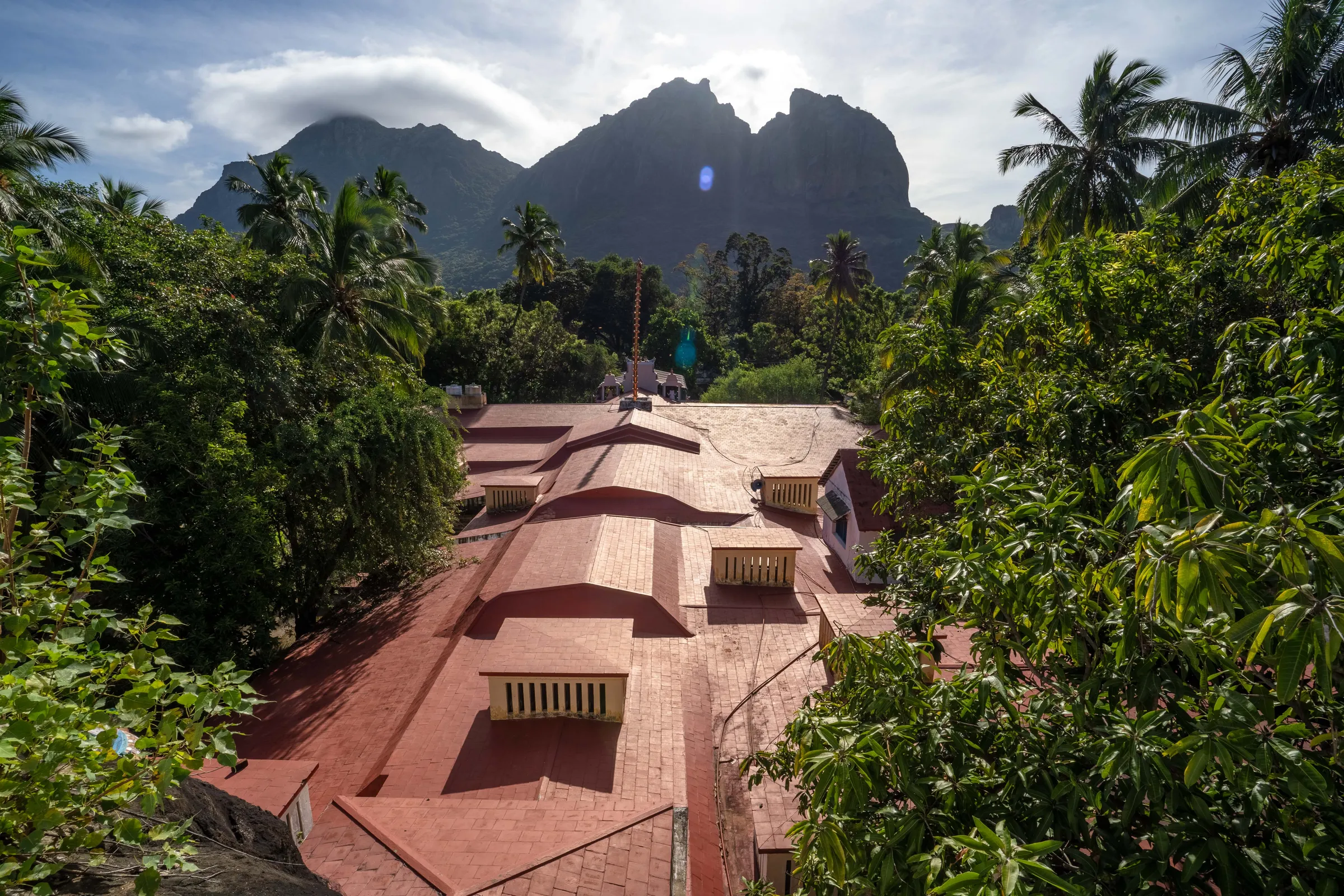
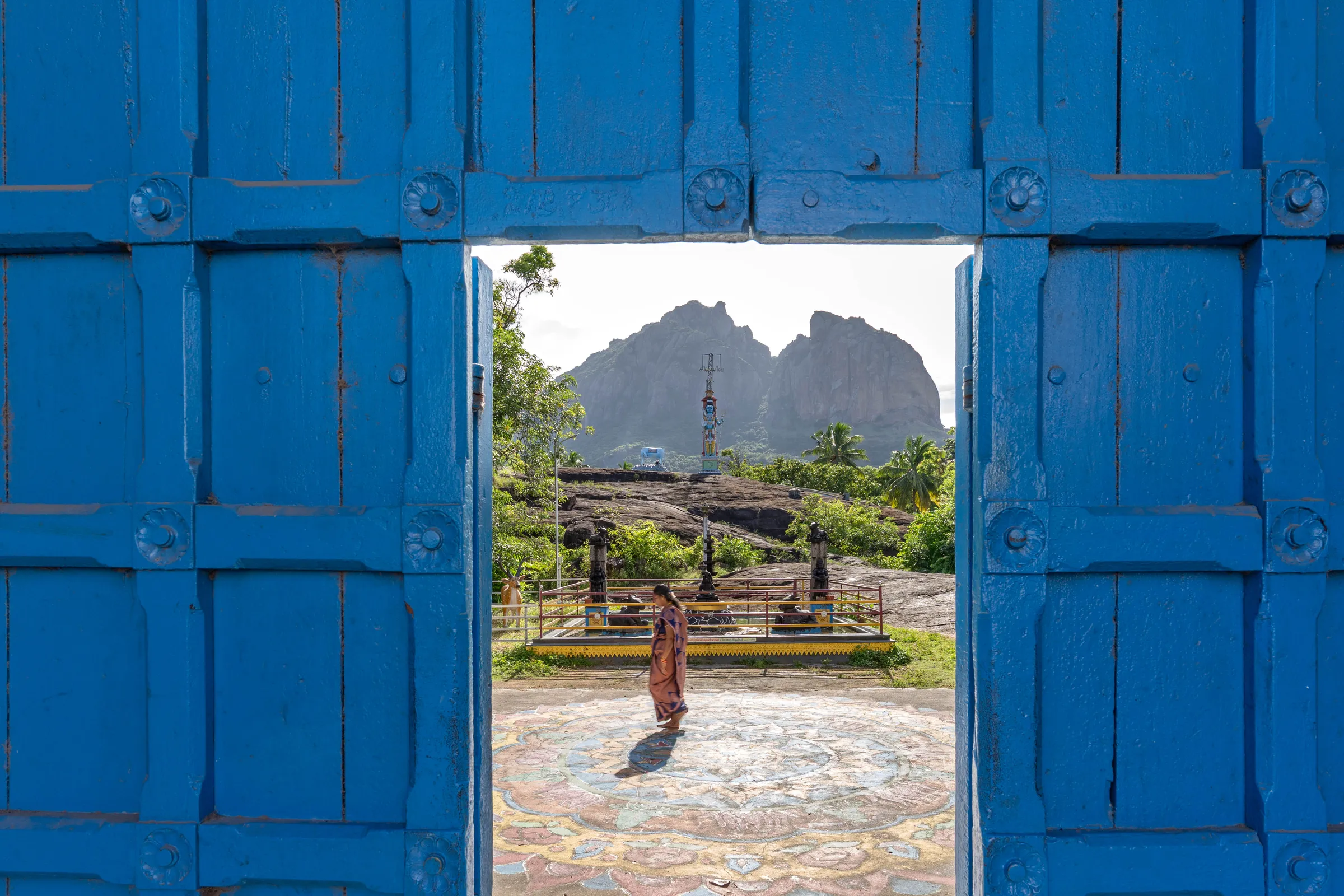
structure & vocabularyThe main sanctum holds a Śiva lingam, Boothalingaswamy, excavated from the parent rock. The shrine is a rock-cut cave scooped from the eastern face of a large irregular boulder in the foothills of the Thadagai hill, so its back wall is the hill itself and there is no circumambulatory path around it; circumambulation is possible only by going round the whole temple or the hill, as with all rock-cut cave temples.
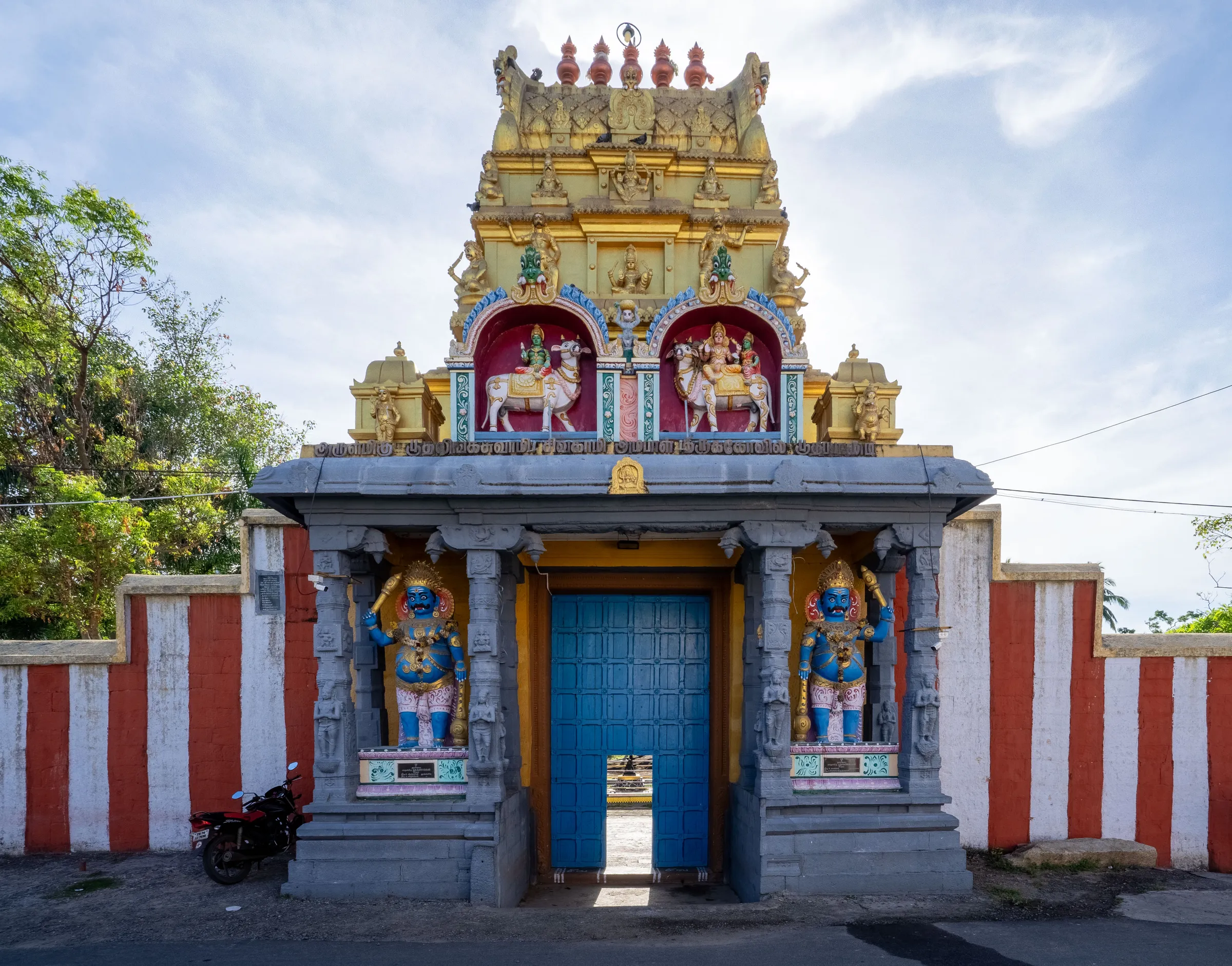
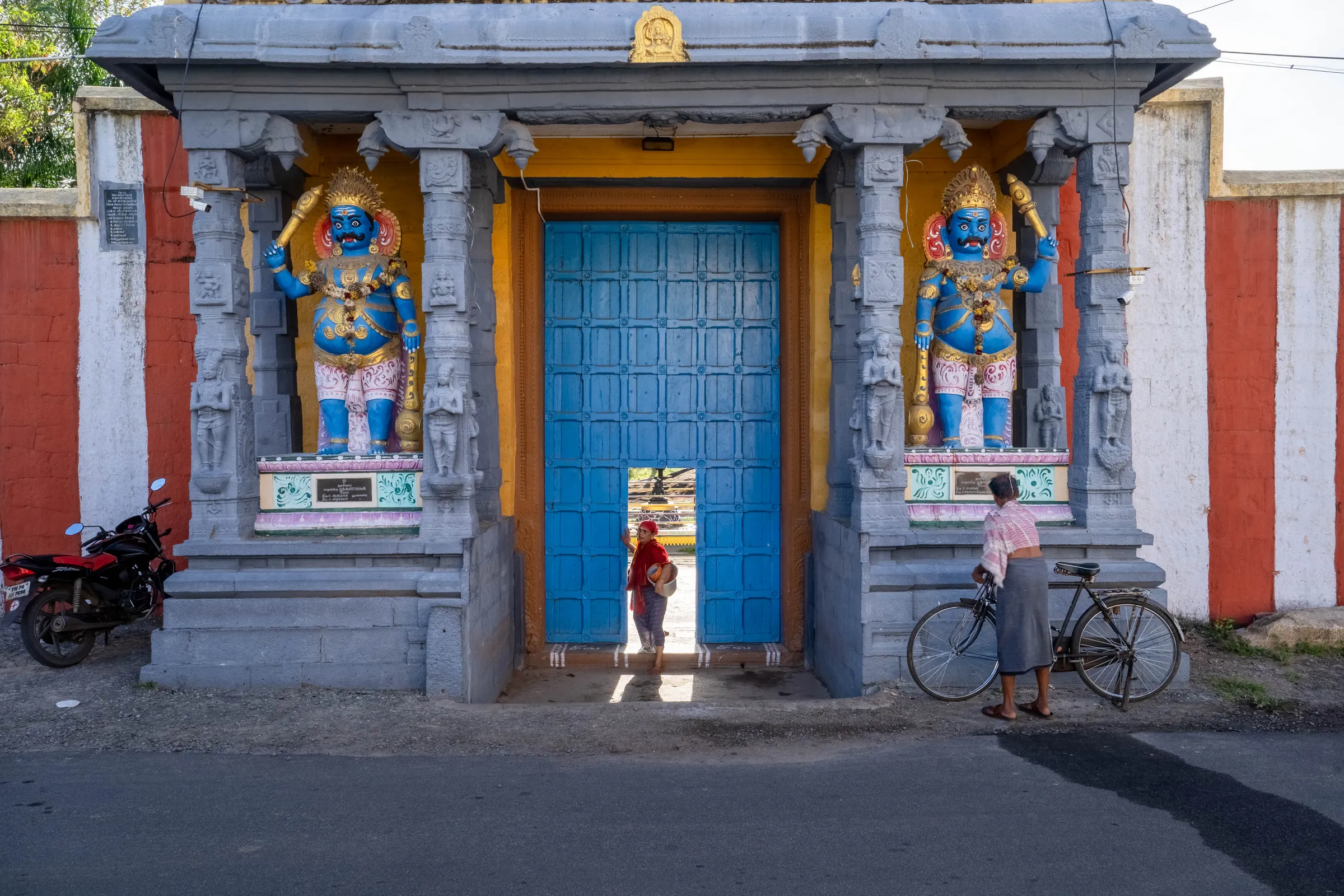
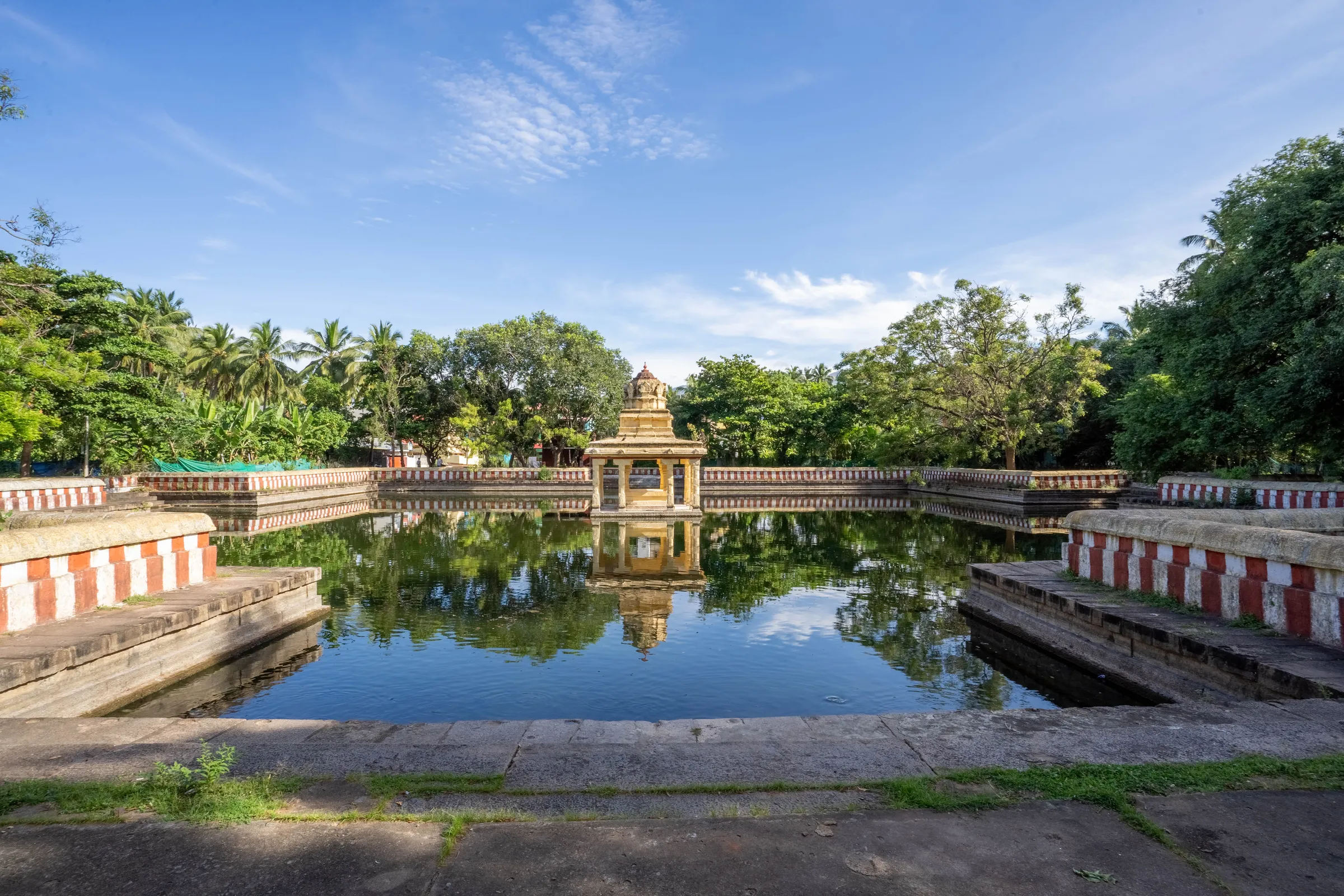
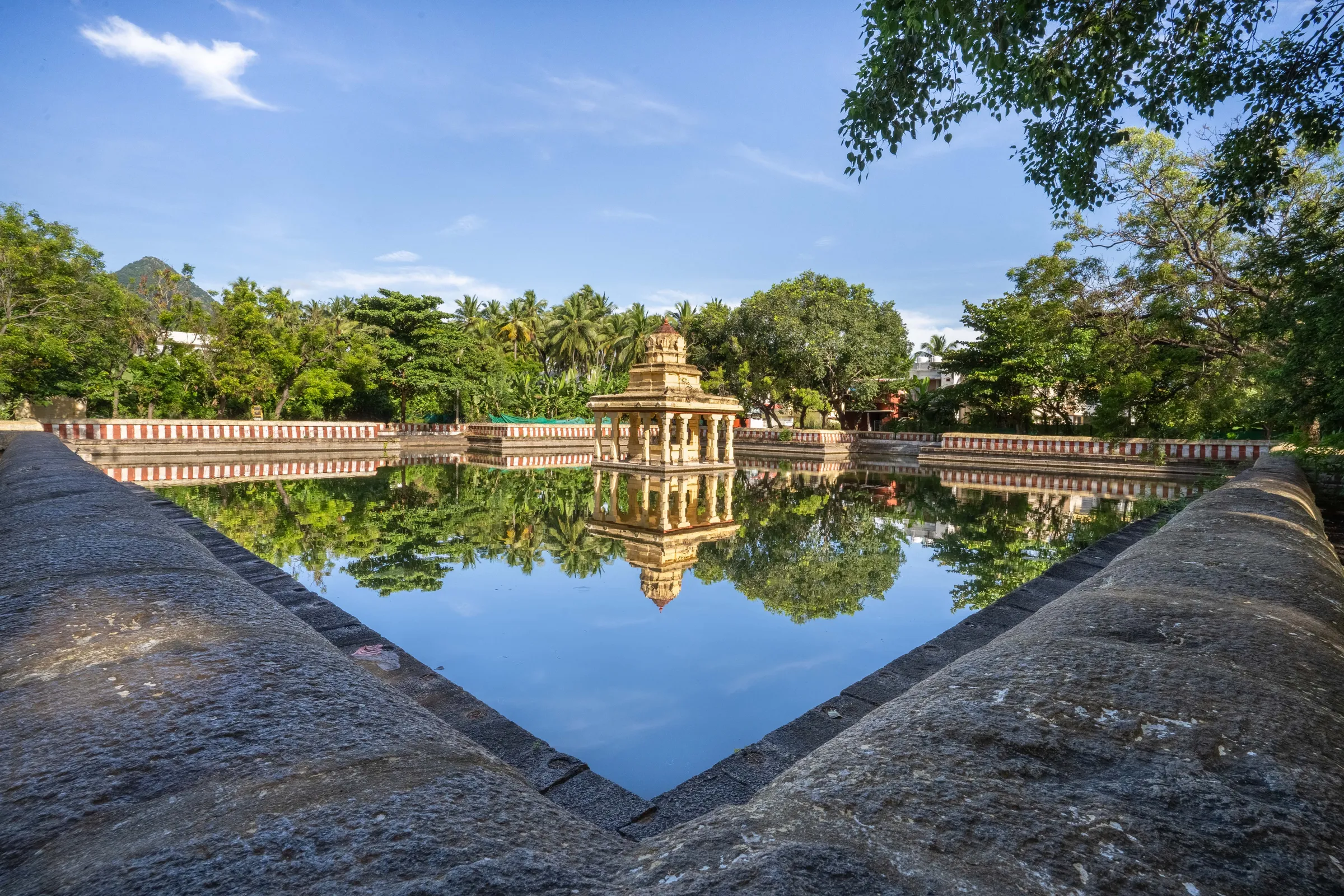
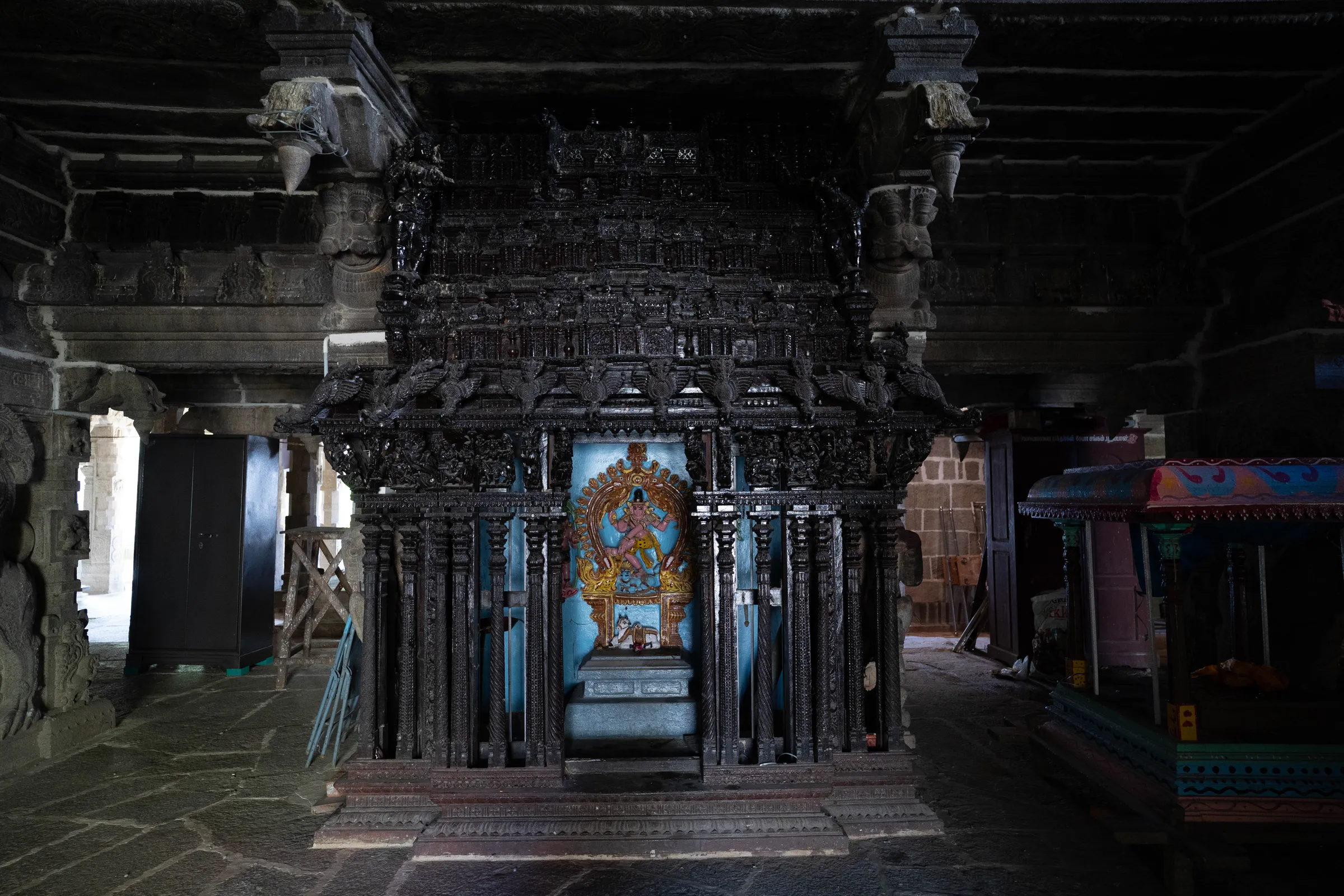
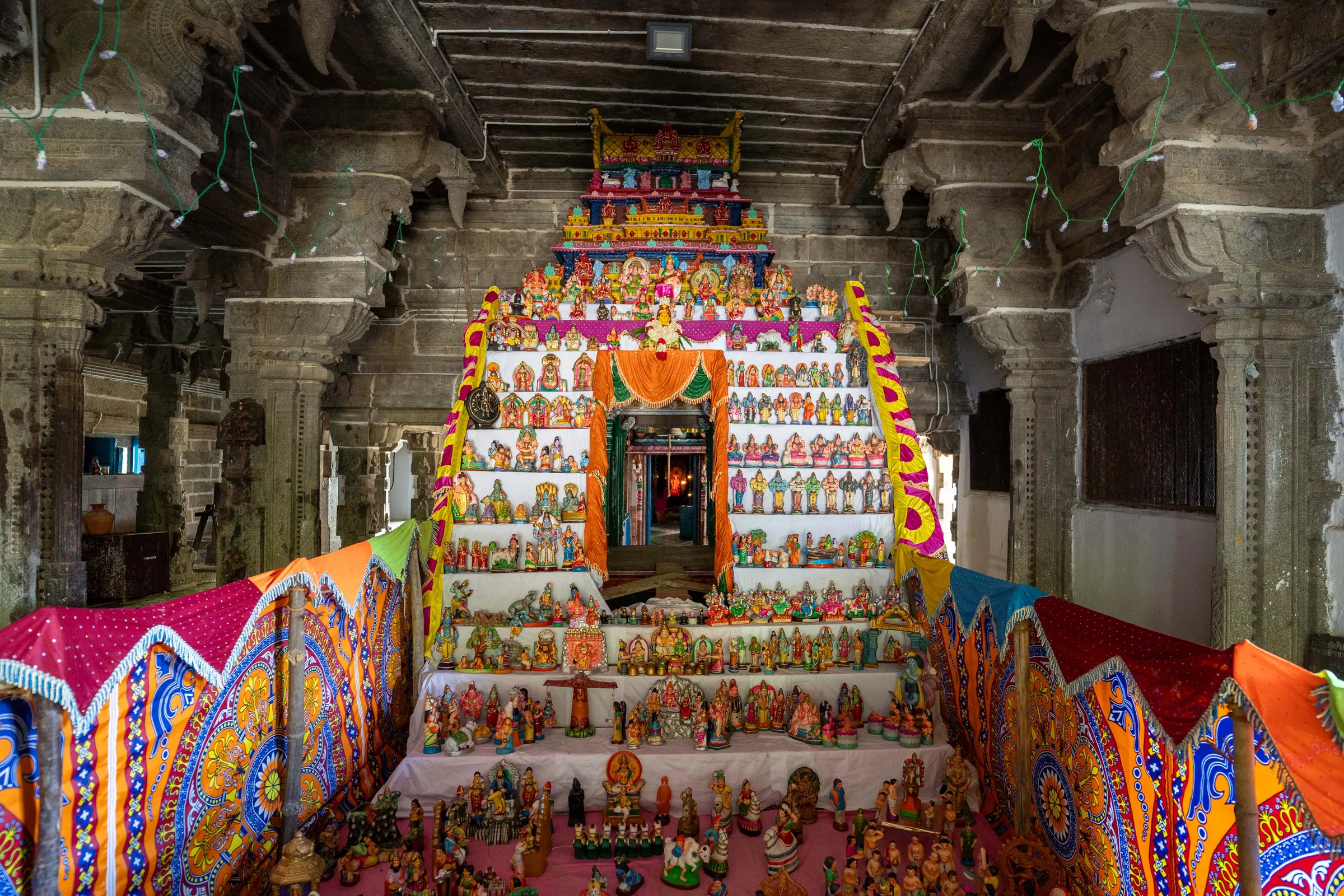
Subsidiary shrines, mandapas, prakarams and the large tank were added later, along with a three-tiered Rajagopuram at the western entrance, the complex having four entrances. These later parts show in the gopuram, whose base is individual pieces of stone while the superstructure is brick and mortar. Other shrines are dedicated to Shivakami Amman, Ganesha, Valli-Deivanai with Subramanya, Chandikeshwarar, Dakshinamurthy, Sastha, Ayyappan and Somaskanda. The mandapas include ardha, maha, mukha, Chettiar and Kalyana mandapas.
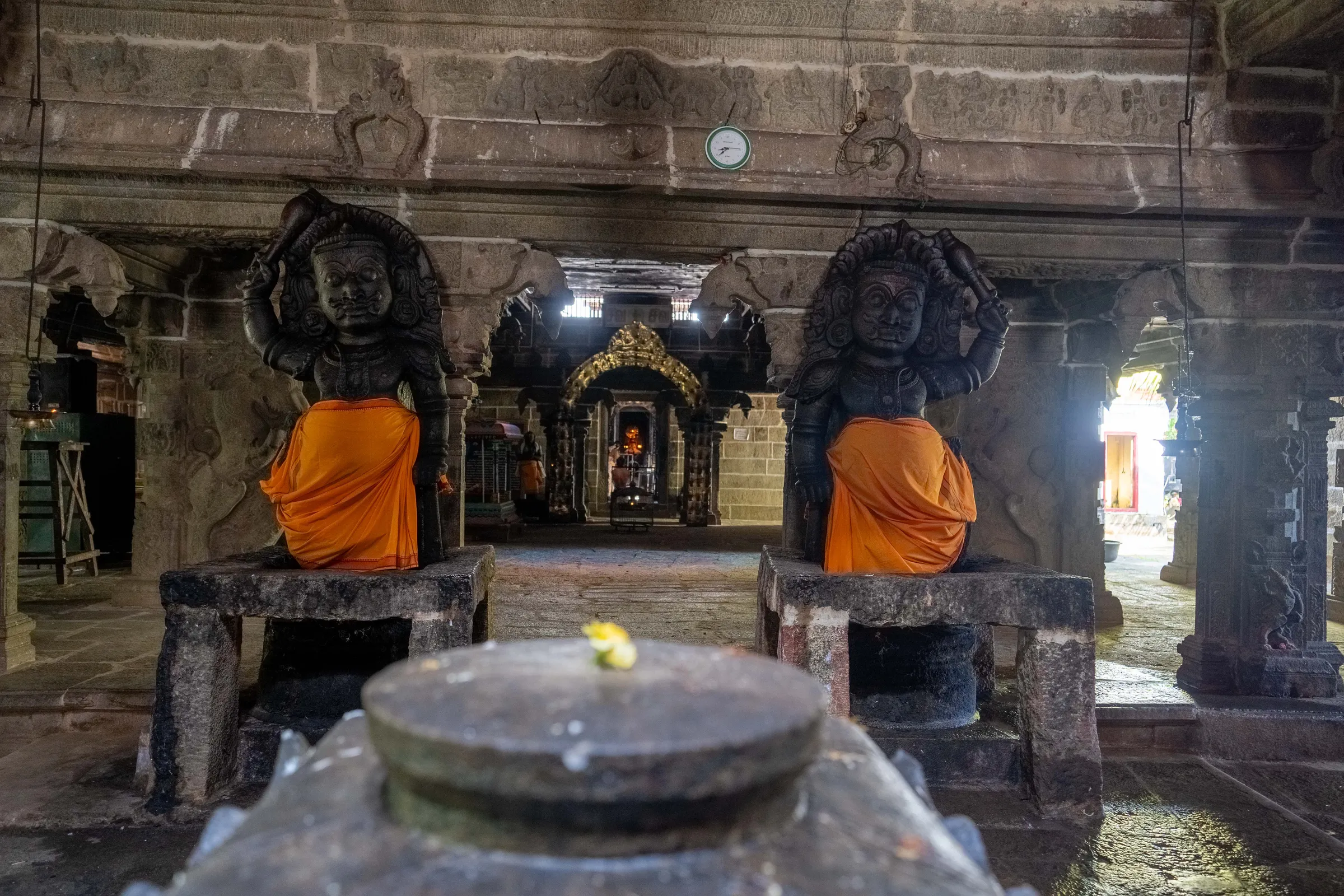
The mandapa pillars carry the Pushpa potika, an auspicious plantain element attributed to the later Pandyas or the Vijayanagara empire, and some bear bas-relief figures of gods and mythological characters such as Ulagalandha Perumal, Ravana, Rati and Manmatha and Bhoota Ganas, and a few erotic sculptures. Some of the more ornate pillars have standing Yali figures and floral motifs set within geometric forms.