Arivar Jain Cave, photograph
← Pandya Nadu
Entry 078

Arivar Jain Cave

Sittanavasal · Pudukkottai

A rock-cut Jain cave at Sittanavasal near Pudukkottai, holding the only Jain paintings in Tamil Nadu and among the earliest surviving paintings in the state.

The Arivar cave at Sittanavasal, cut into a rock hill near Pudukkottai, holds the only Jain paintings surviving in Tamil Nadu and some of the earliest paintings in the state. The shrine and its front maṇḍapa are hewn from the living rock, and the hill around it carries pre-historic burials, natural caves with monks’ stone beds, and an inscription that dates the cave’s repair to the early 9th century.

The photographs

Plates · 10

Arivar Jain Cave, photograph
© Amar Ramesh and team · All rights reserved
Arivar Jain Cave, photograph
© Amar Ramesh and team · All rights reserved
Arivar Jain Cave, photograph
© Amar Ramesh and team · All rights reserved
Arivar Jain Cave, photograph
© Amar Ramesh and team · All rights reserved
Arivar Jain Cave, photograph
© Amar Ramesh and team · All rights reserved
Arivar Jain Cave, photograph
© Amar Ramesh and team · All rights reserved
Arivar Jain Cave, photograph
© Amar Ramesh and team · All rights reserved
Arivar Jain Cave, photograph
© Amar Ramesh and team · All rights reserved
Arivar Jain Cave, photograph
© Amar Ramesh and team · All rights reserved
01

Architectural

structure & vocabulary

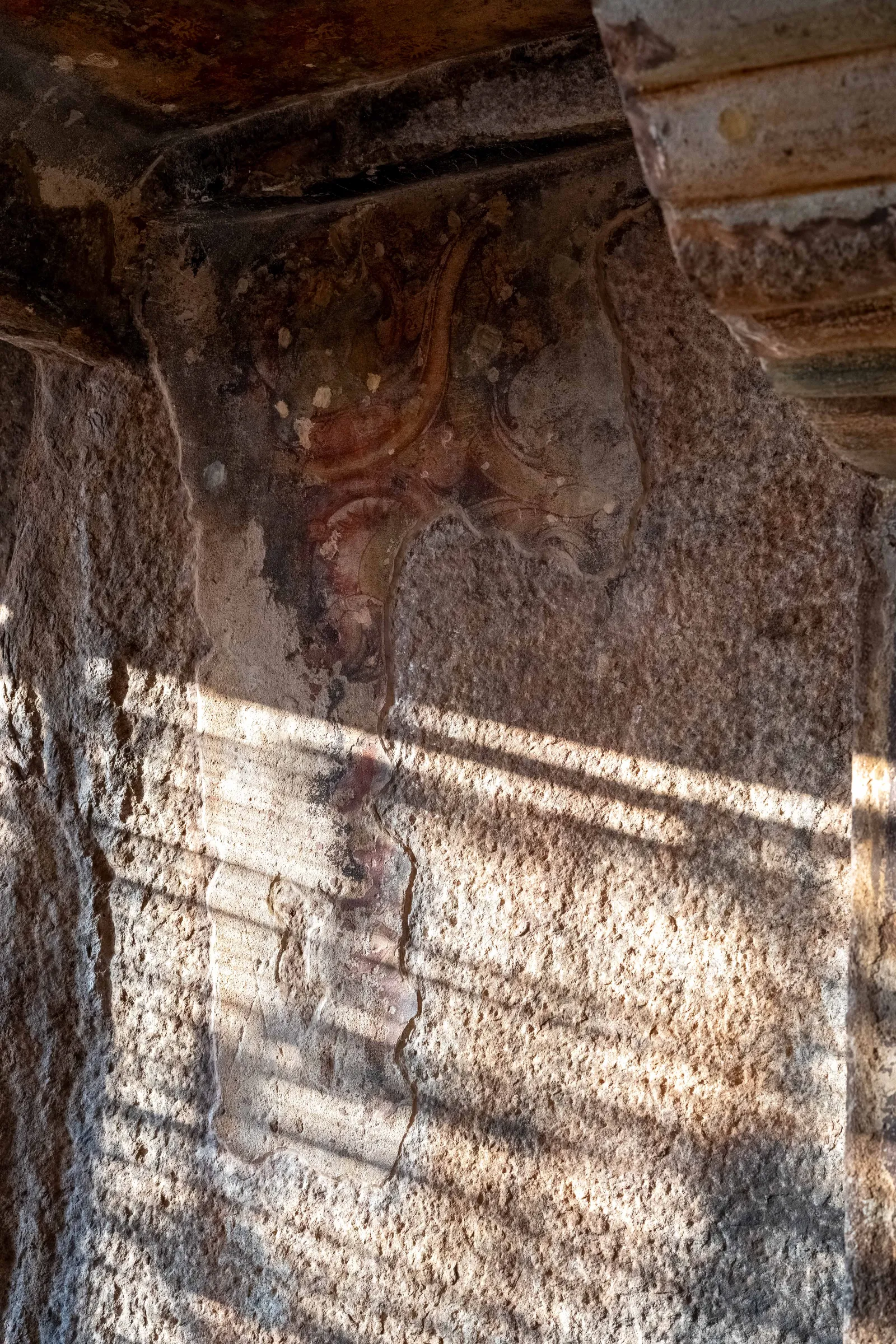
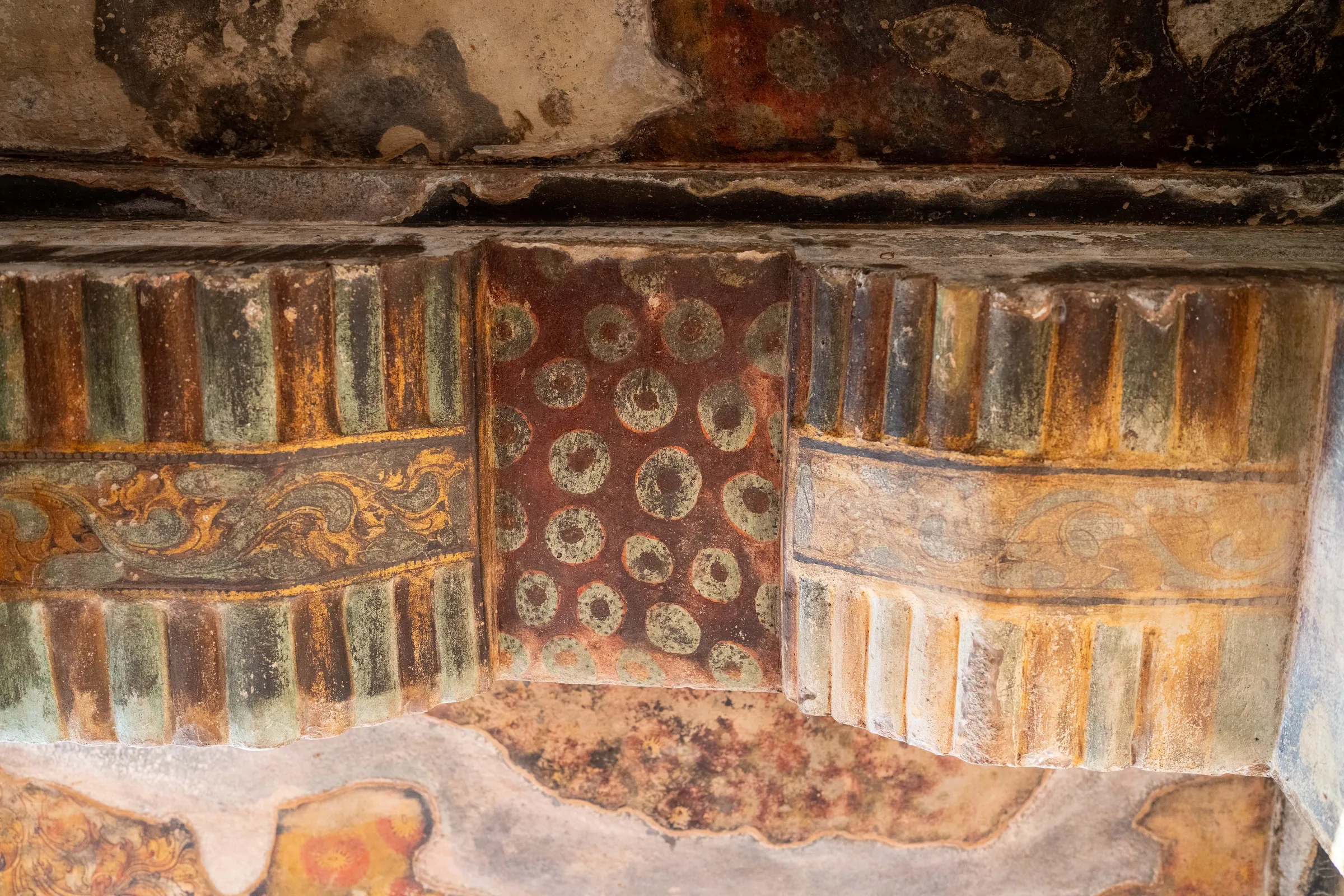
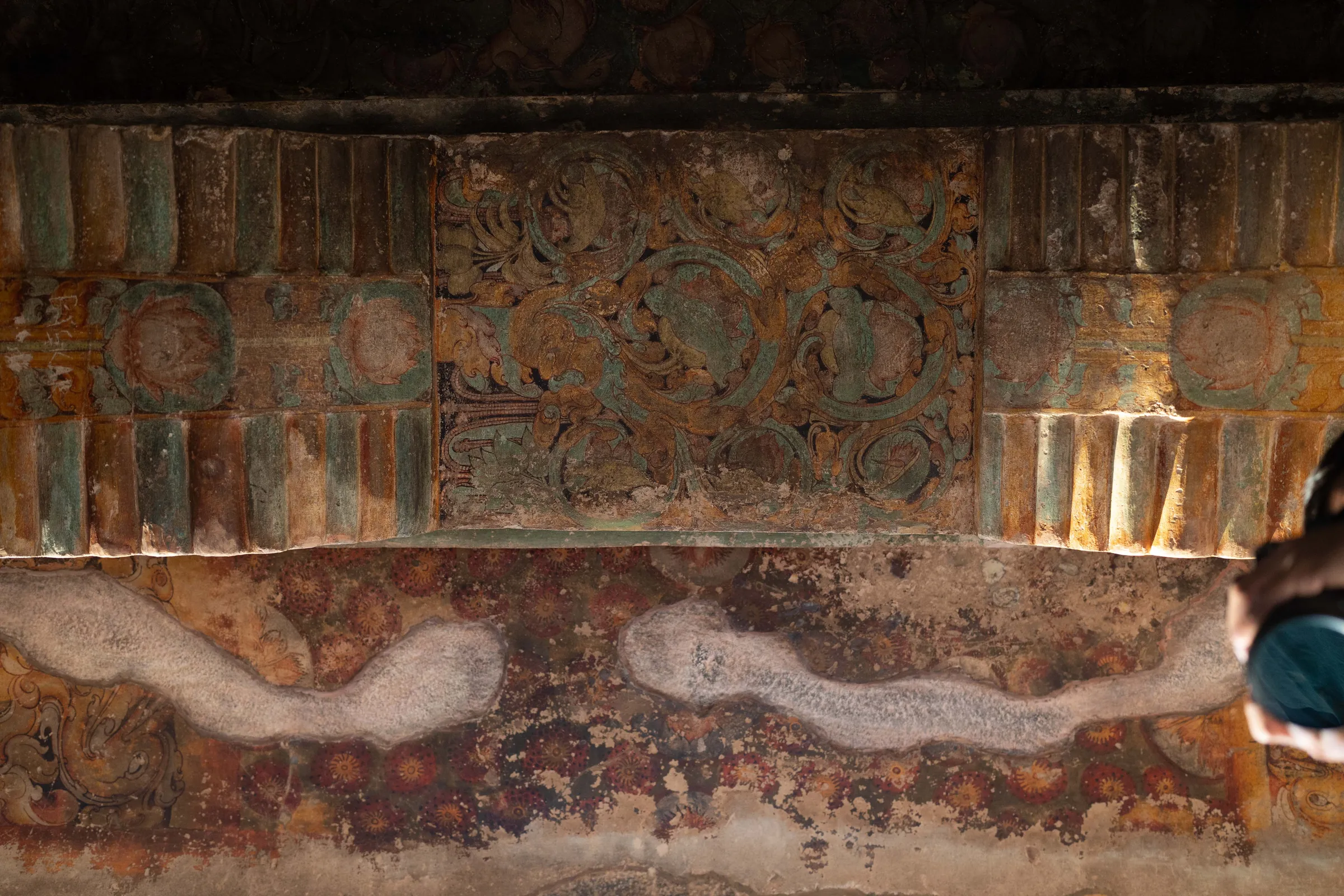
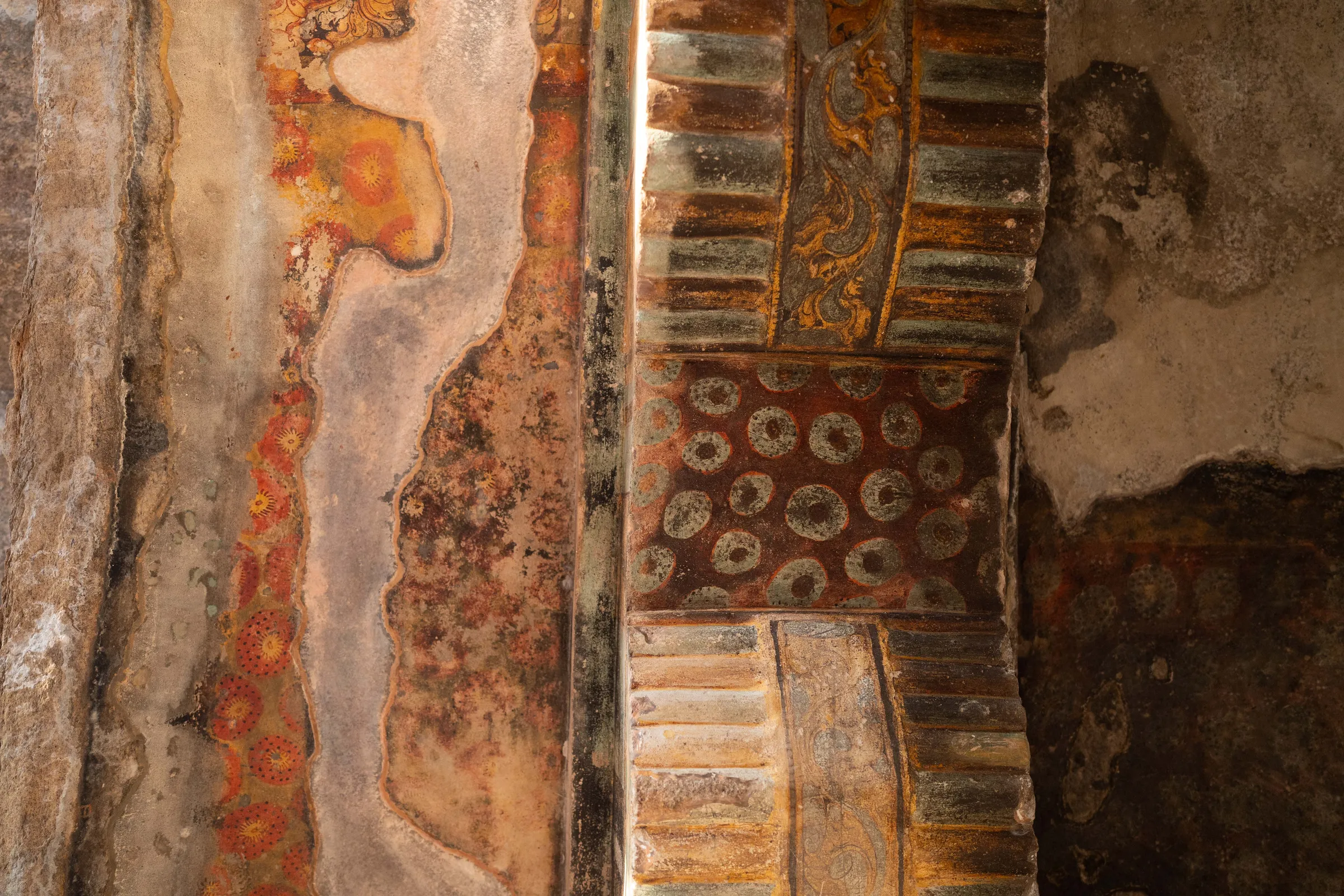
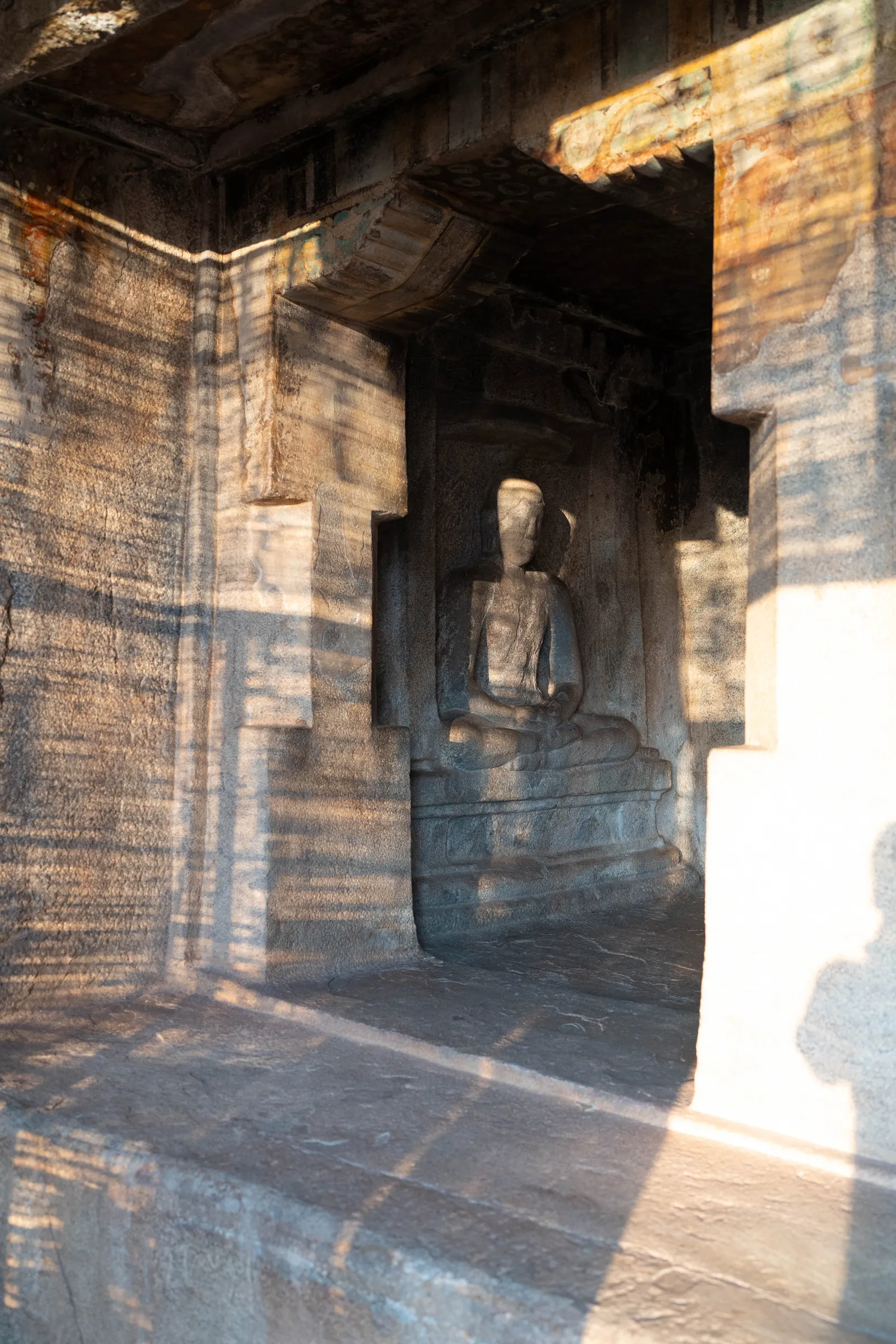
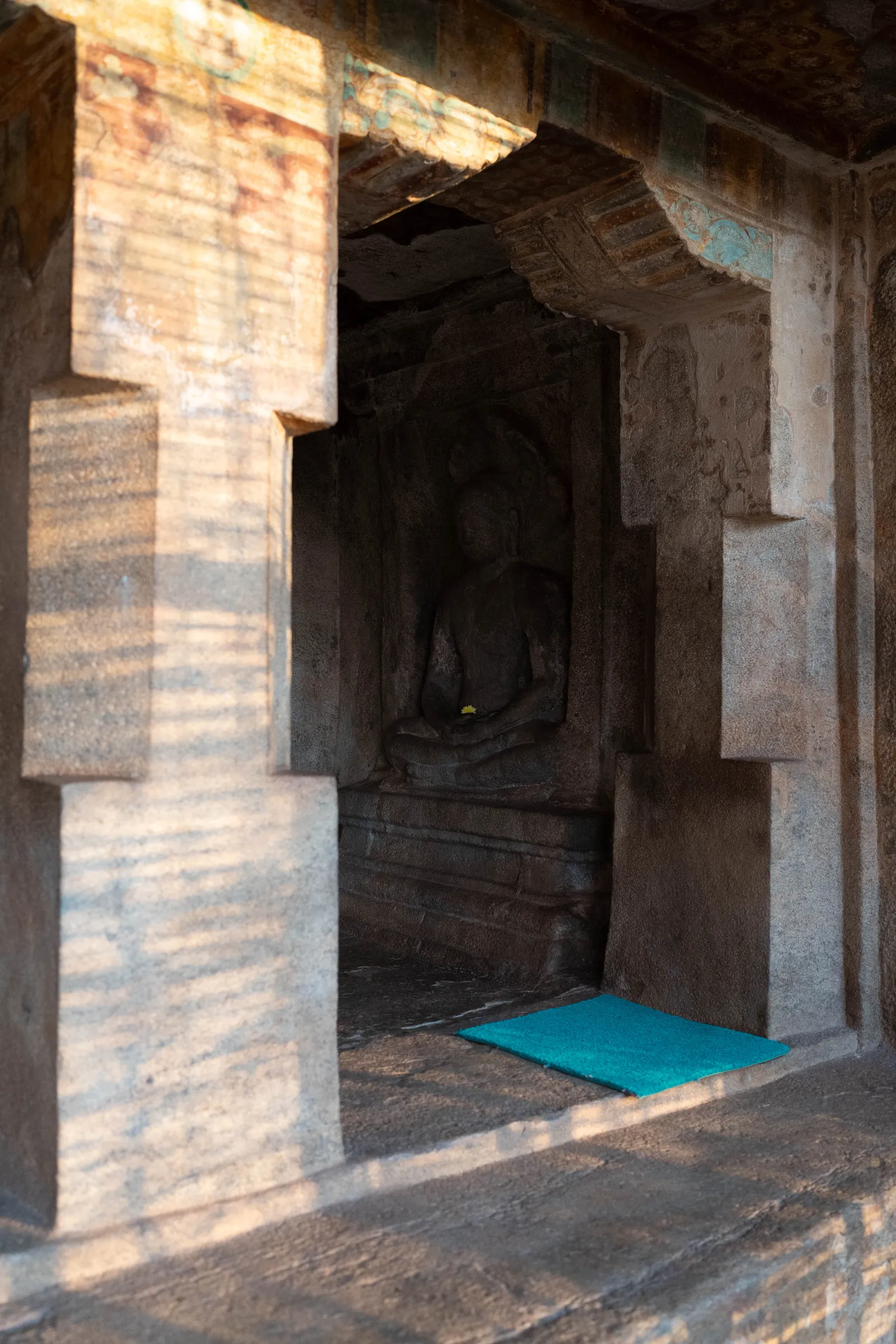
The main shrine and the front maṇḍapa are cut from the living rock; the present entrance pillars are of the 20th century, brought from Kudumianmalai. The ceiling carries the wheel of dharma and a faint carpet design, all hewn from the same rock as the hill with full precision.

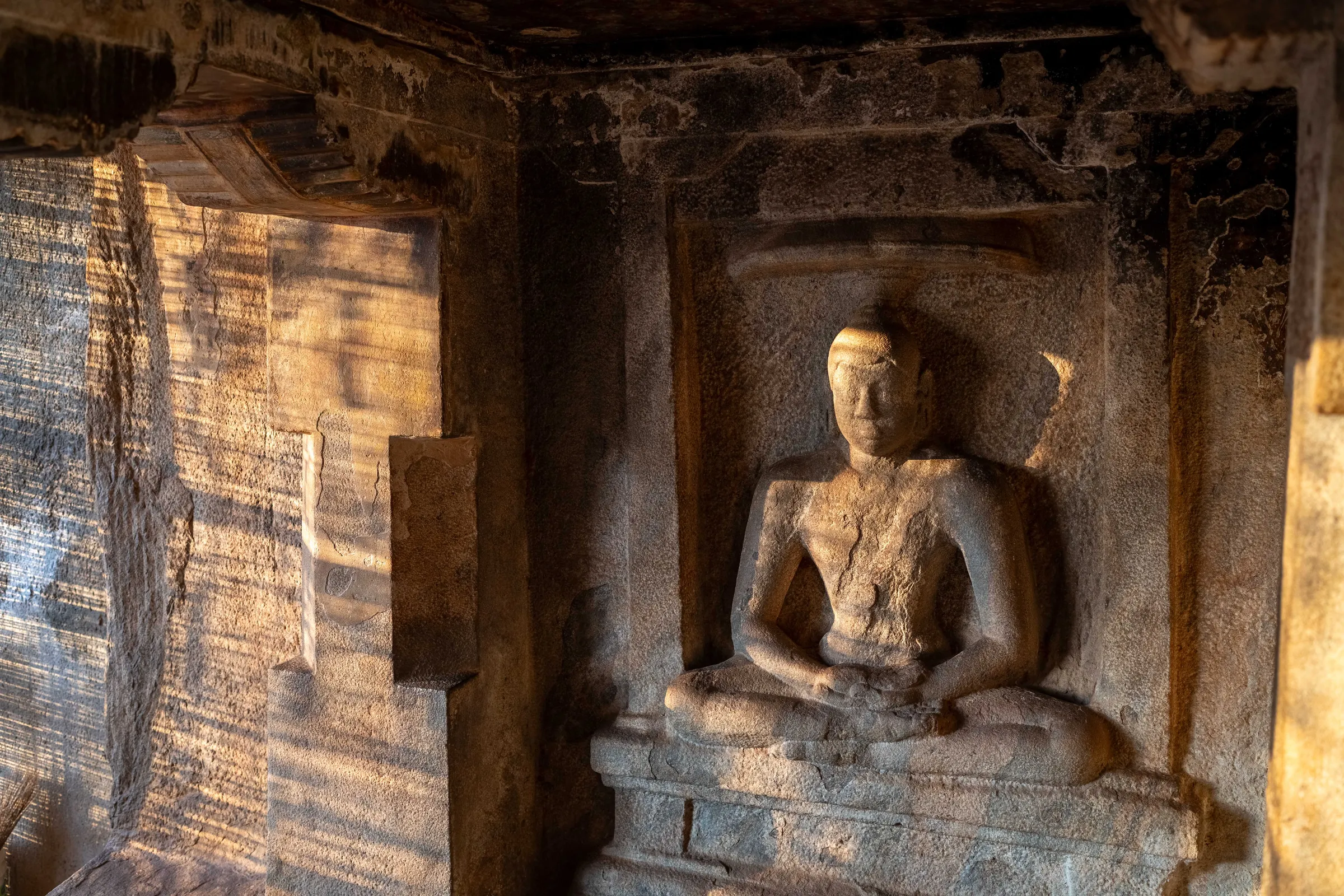
An image of a seated Jain monk in meditation is set within; a single umbrella over him marks him not as a Tīrthaṅkara. On another wall stands the Tīrthaṅkara Parsvanatha protected by a five-headed cobra. Inside the sanctum are three seated figures, two Tīrthaṅkaras under triple umbrellas and an Ācārya. Two small portraits of dancing apsaras survive on the pillars.

02

Archaeological

dated & cited

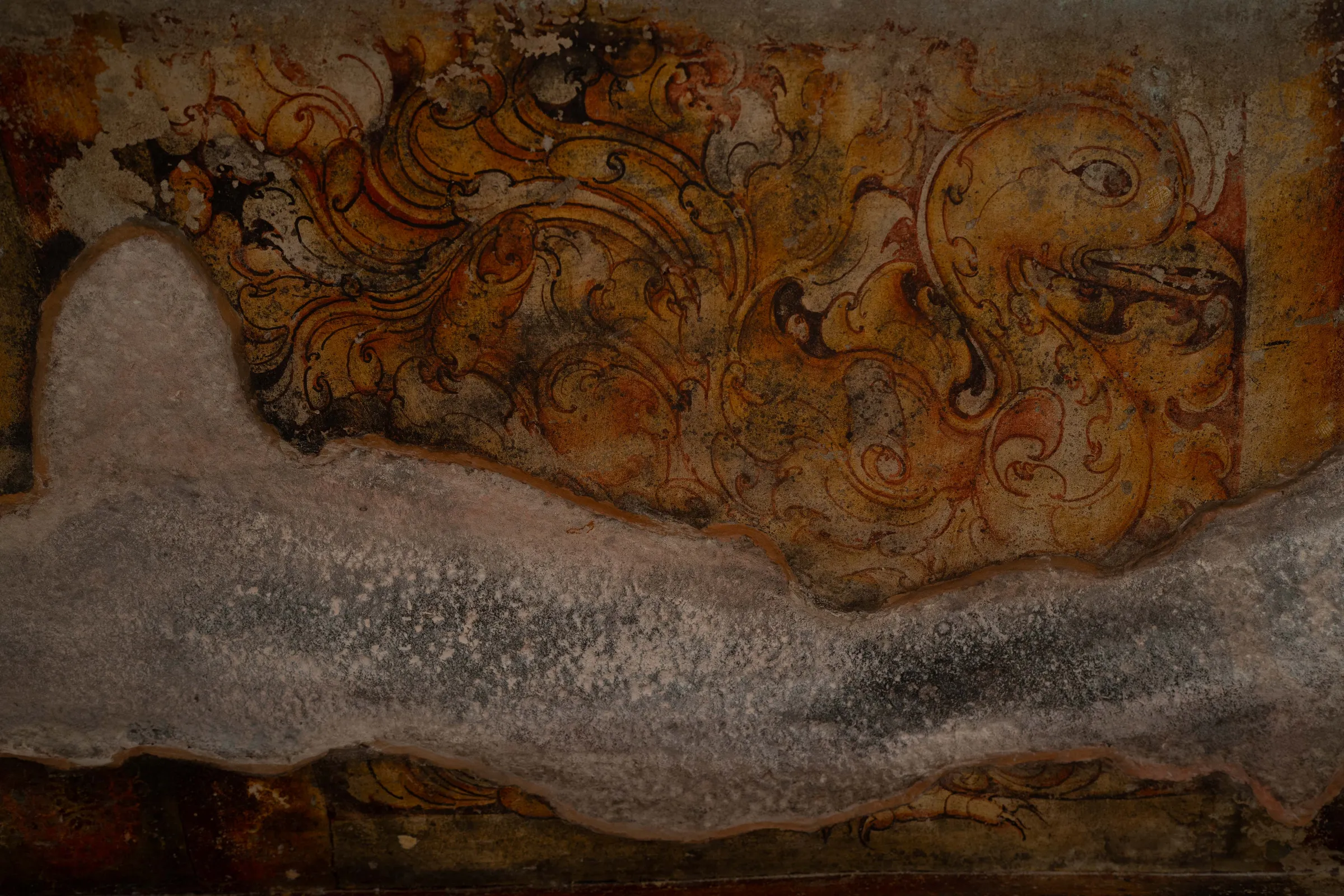
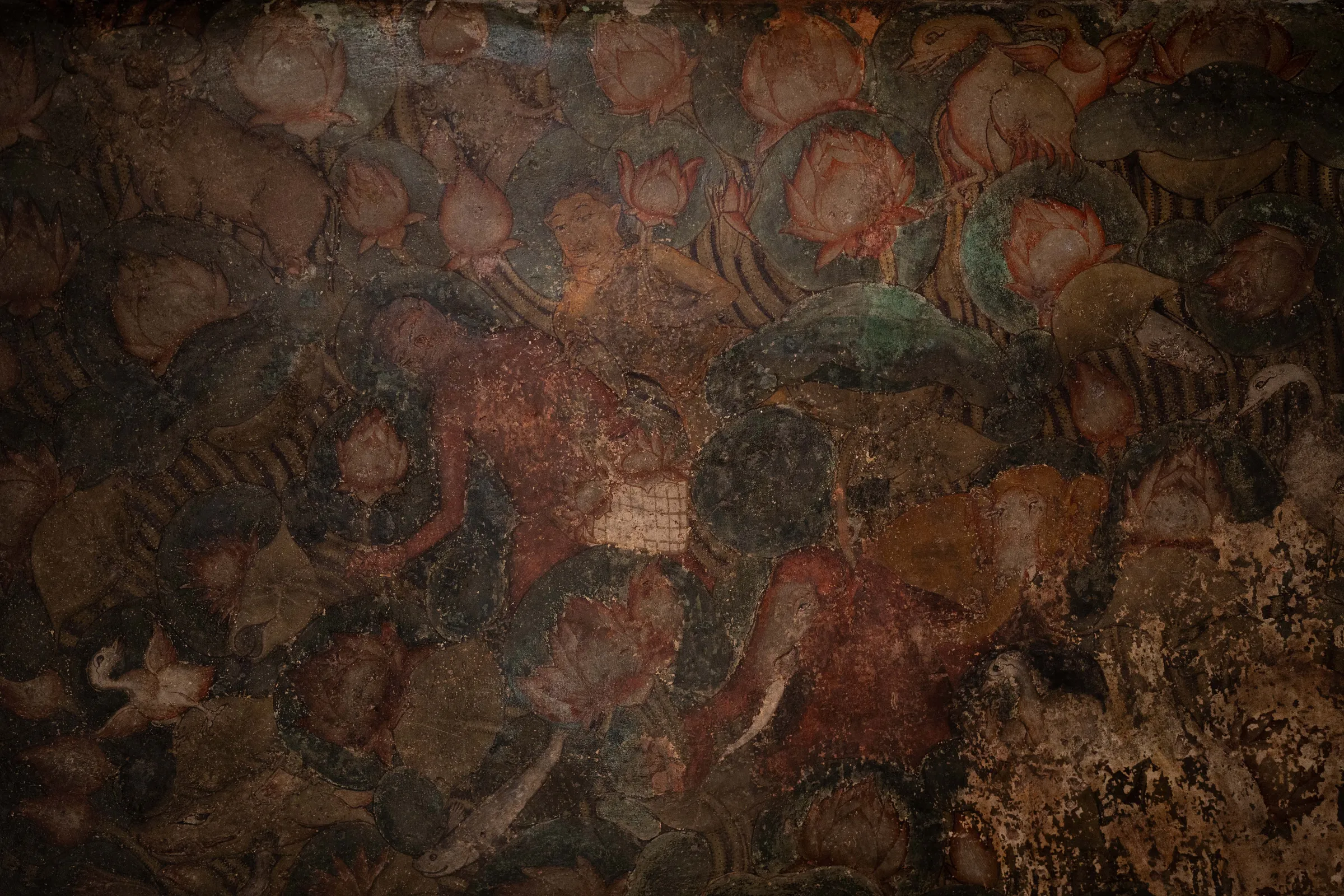
The book calls these the only Jain paintings in Tamil Nadu and the state's earliest surviving paintings, placed in the 9th century and ranked, after Ajanta and Sigiriya, among the finest of that time. They are painted in mineral dyes on plaster, were once painted over, and were rediscovered in 1916. A ceiling fragment shows Bhavyas, or Jain monks, gathering lotus from a pond.

An inscription at the entrance names the cave as the Arivar Koil in the village of Annalvayil and records its repair by a Jain Ācārya, Ilan Gautaman, during the reign of a Pandya king between 815 and 822. A further inscription names Ilangautaman as the cave's sponsor. The name Arivar derives from the Jain word Arhat. Nearby, the Ezhadipattam natural cave carries stone beds for the rite of fasting to death and an inscription of the 1st century CE; the book reports such beds in use for about a thousand years from the 1st century CE.

Inscription · At the cave entrance, on the right

This is the Arivar Koil in the village of Annalvayil. The Jain Ācārya Ilan Gautaman repaired it, in the reign of a Pandya king between 815 and 822.

Register interest in prints Buy the book
Improve this entry

This is an open, reviewed record. If you have spotted an error or have something to add — a correction, a date, a source, a name in another script — propose it. Every change is reviewed before it joins the record.

“Suggest an edit” opens this entry on GitHub and turns your change into a pull request. “Share feedback” opens a short form. Both go through review.