01 Architectural
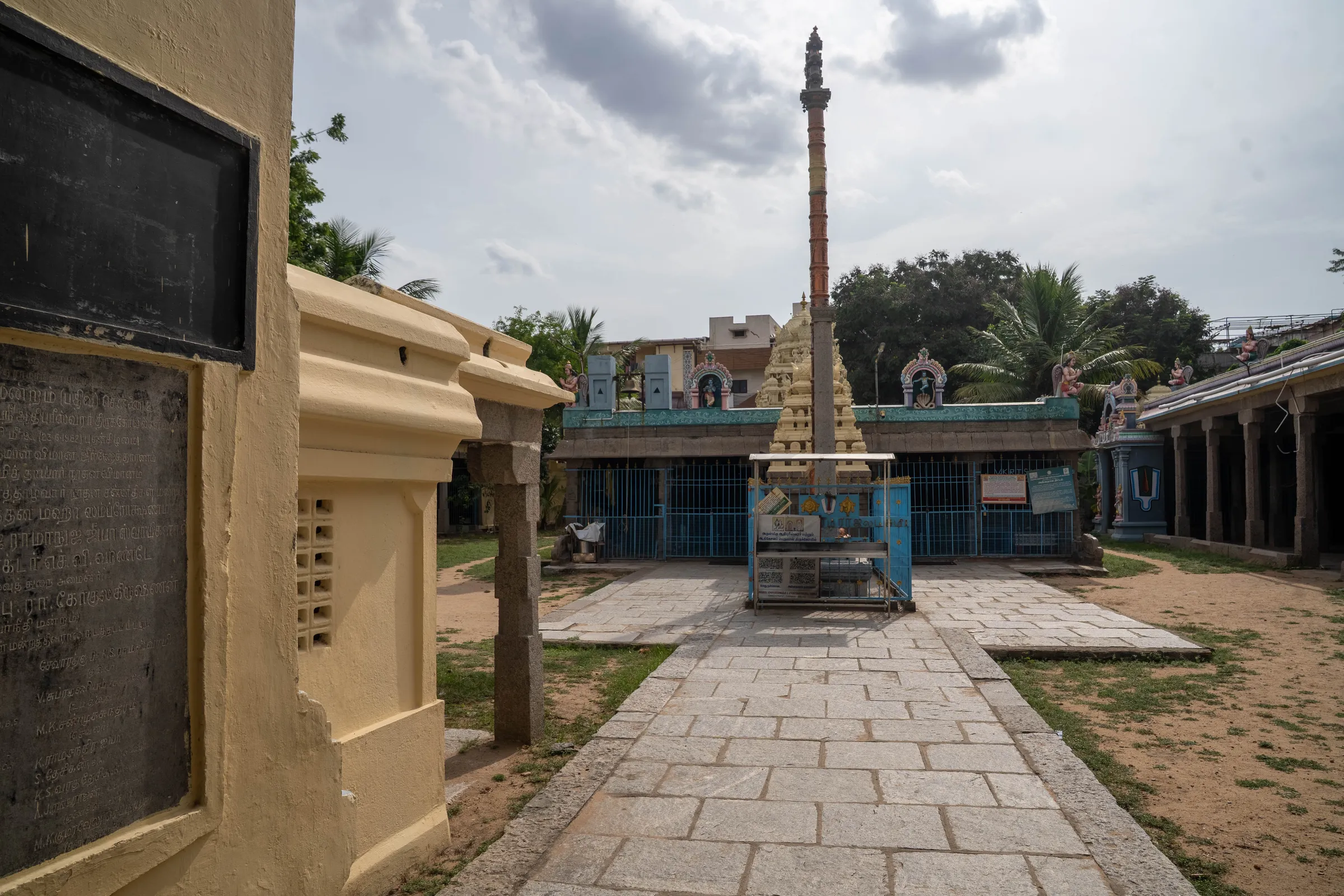
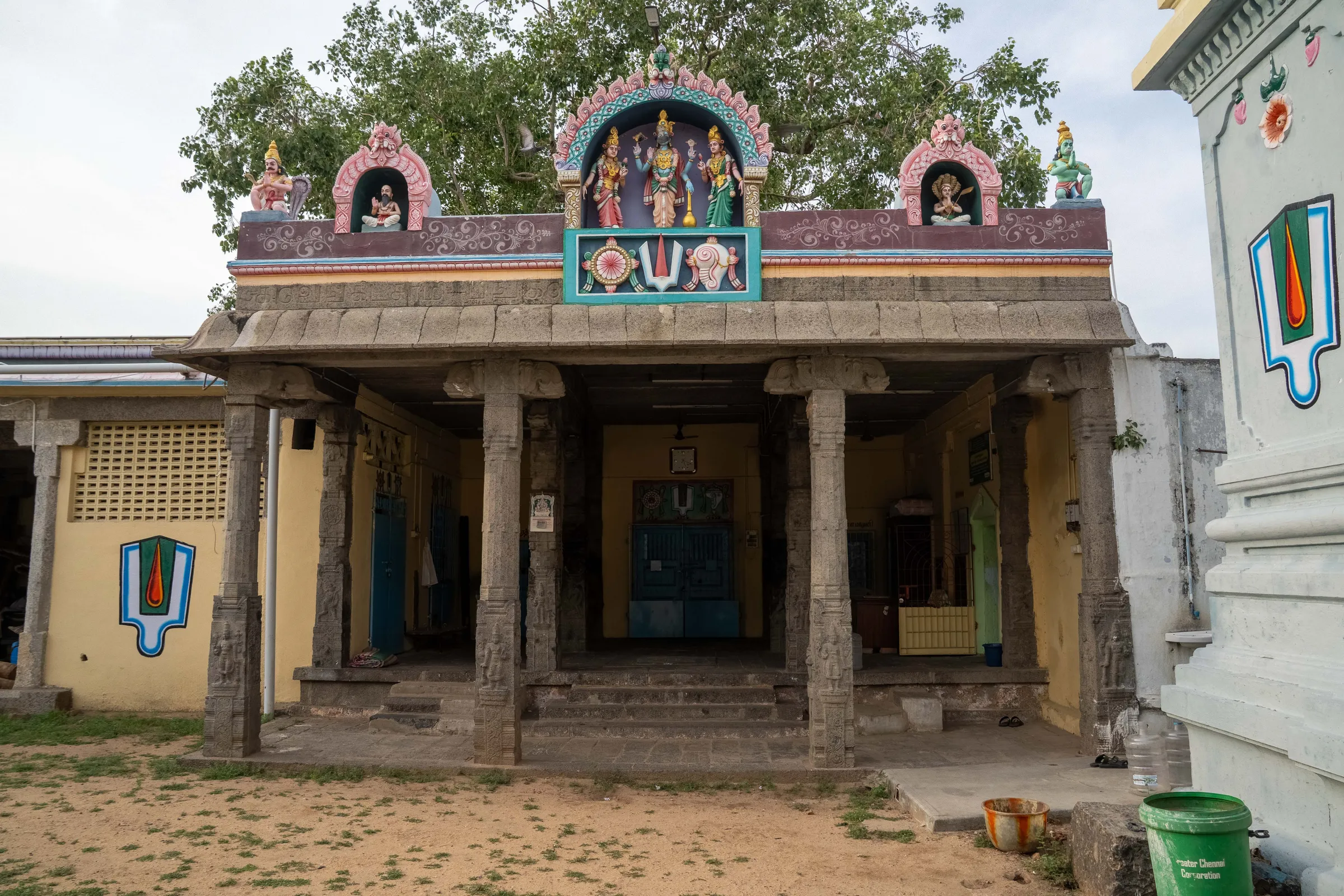
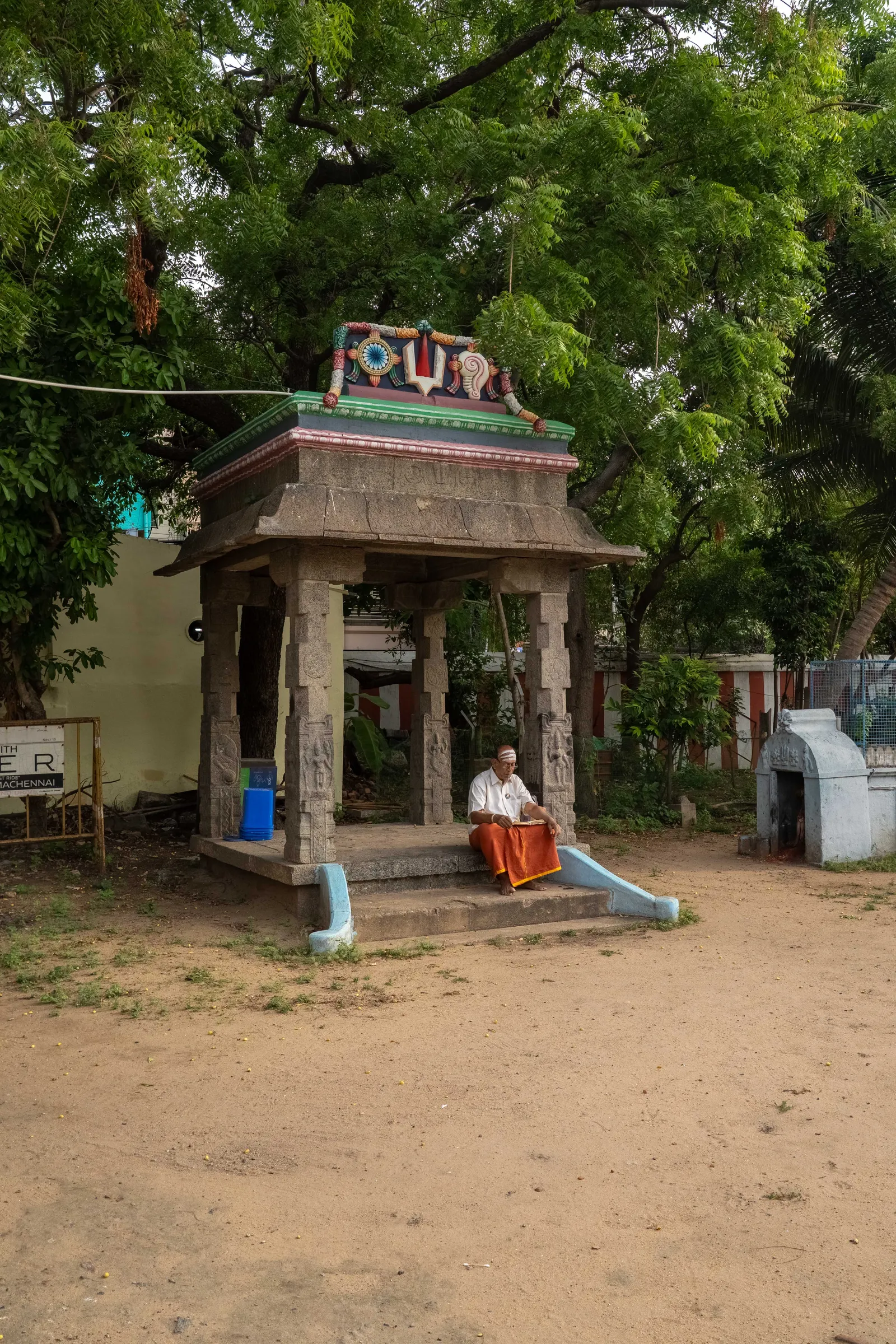
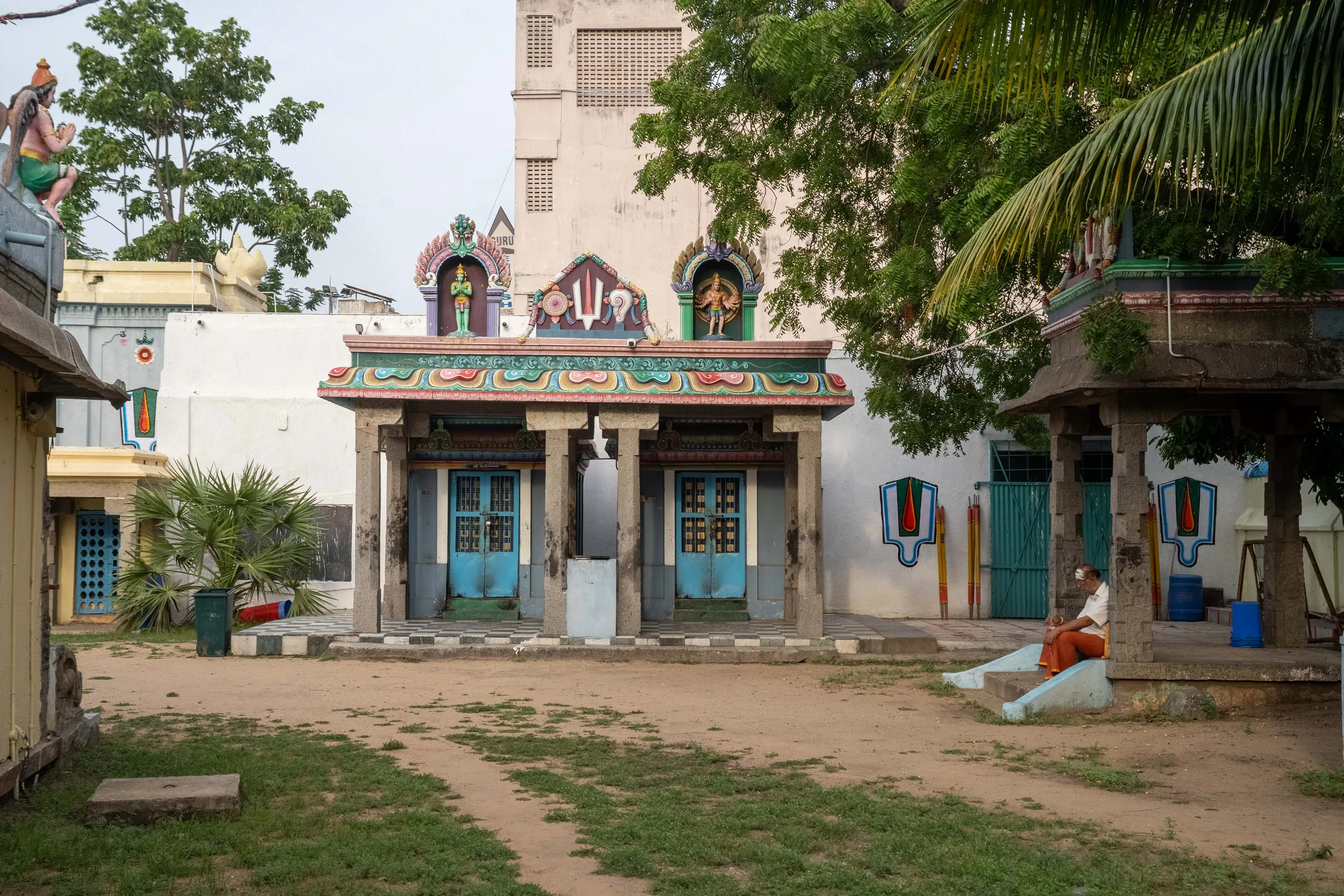
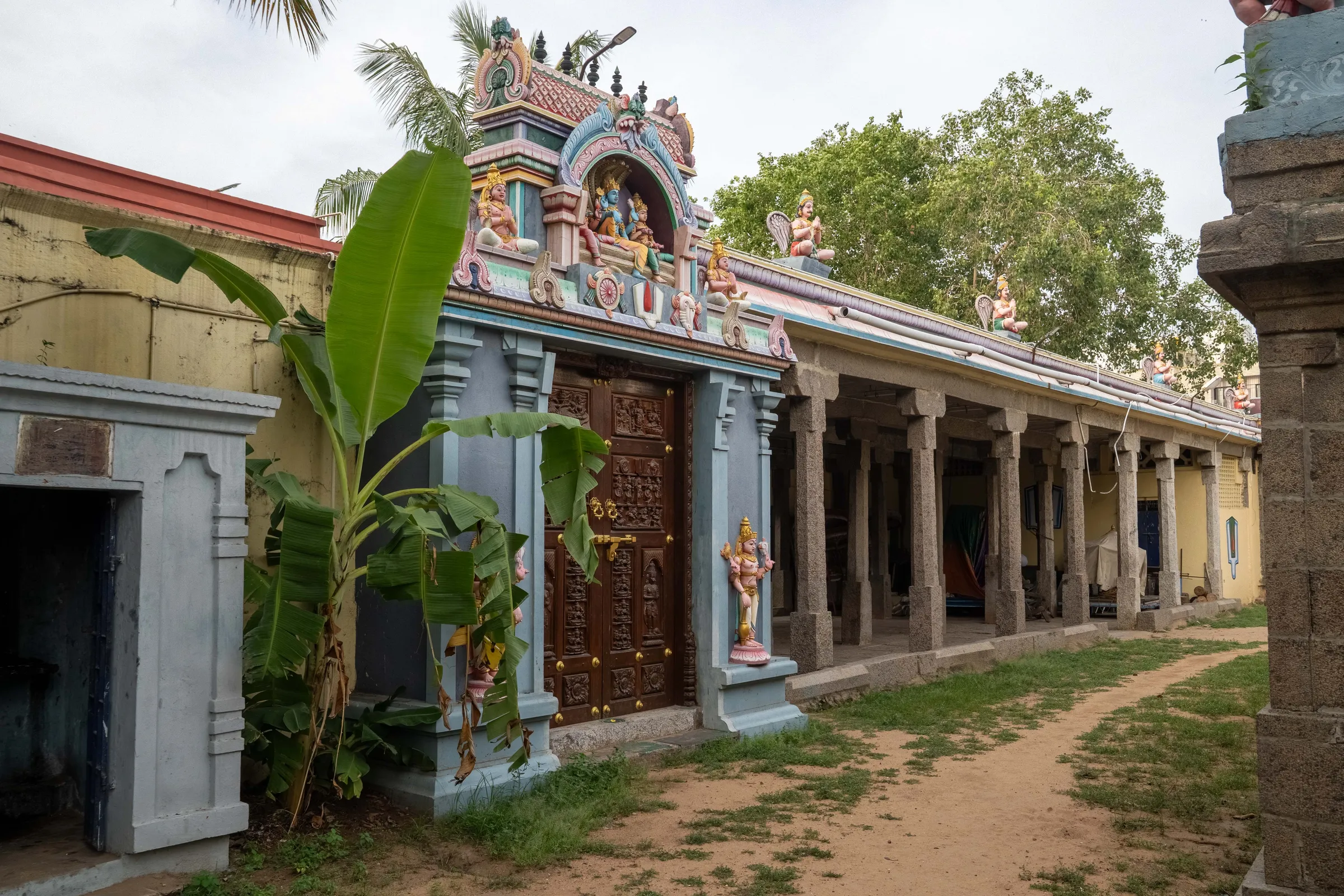
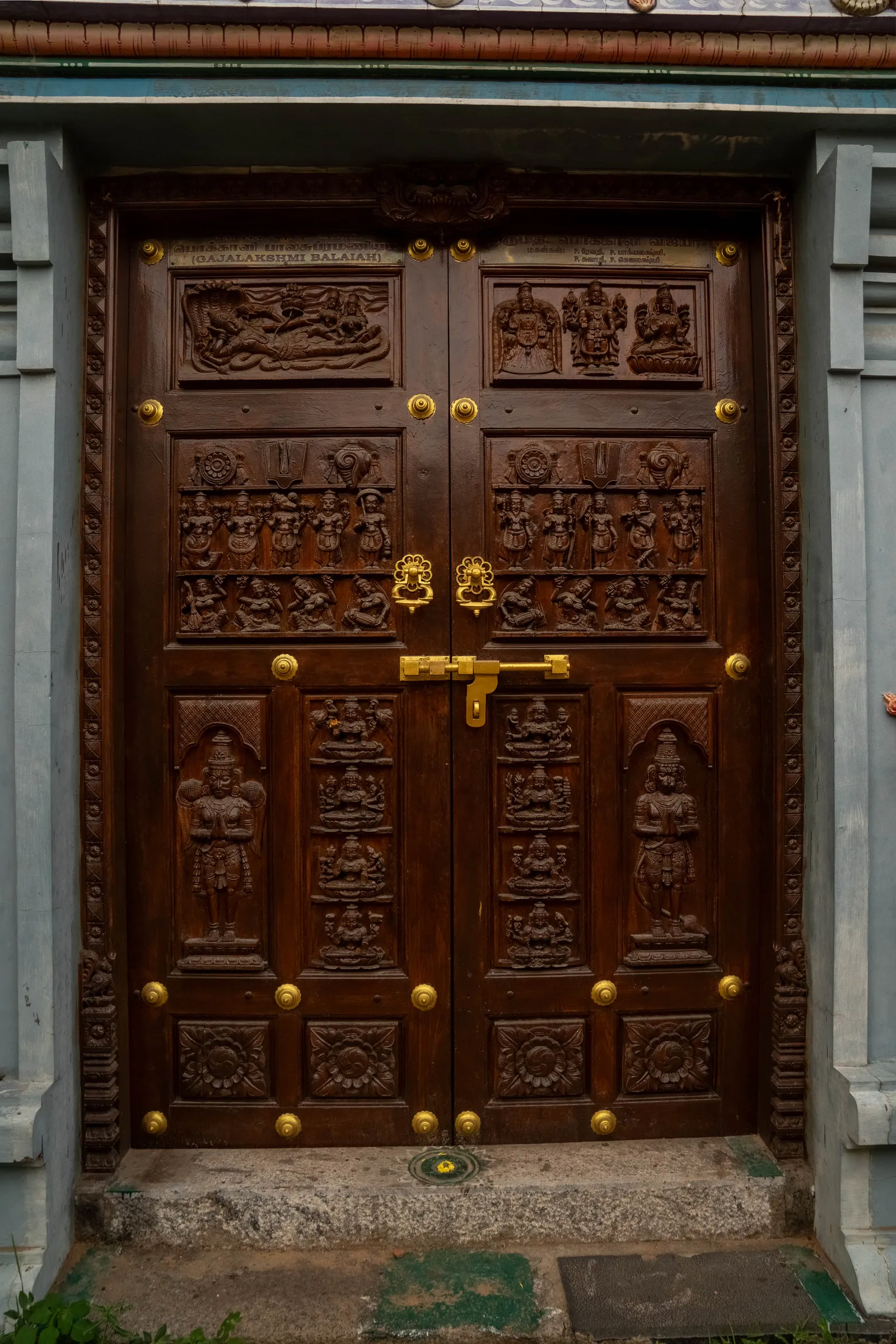
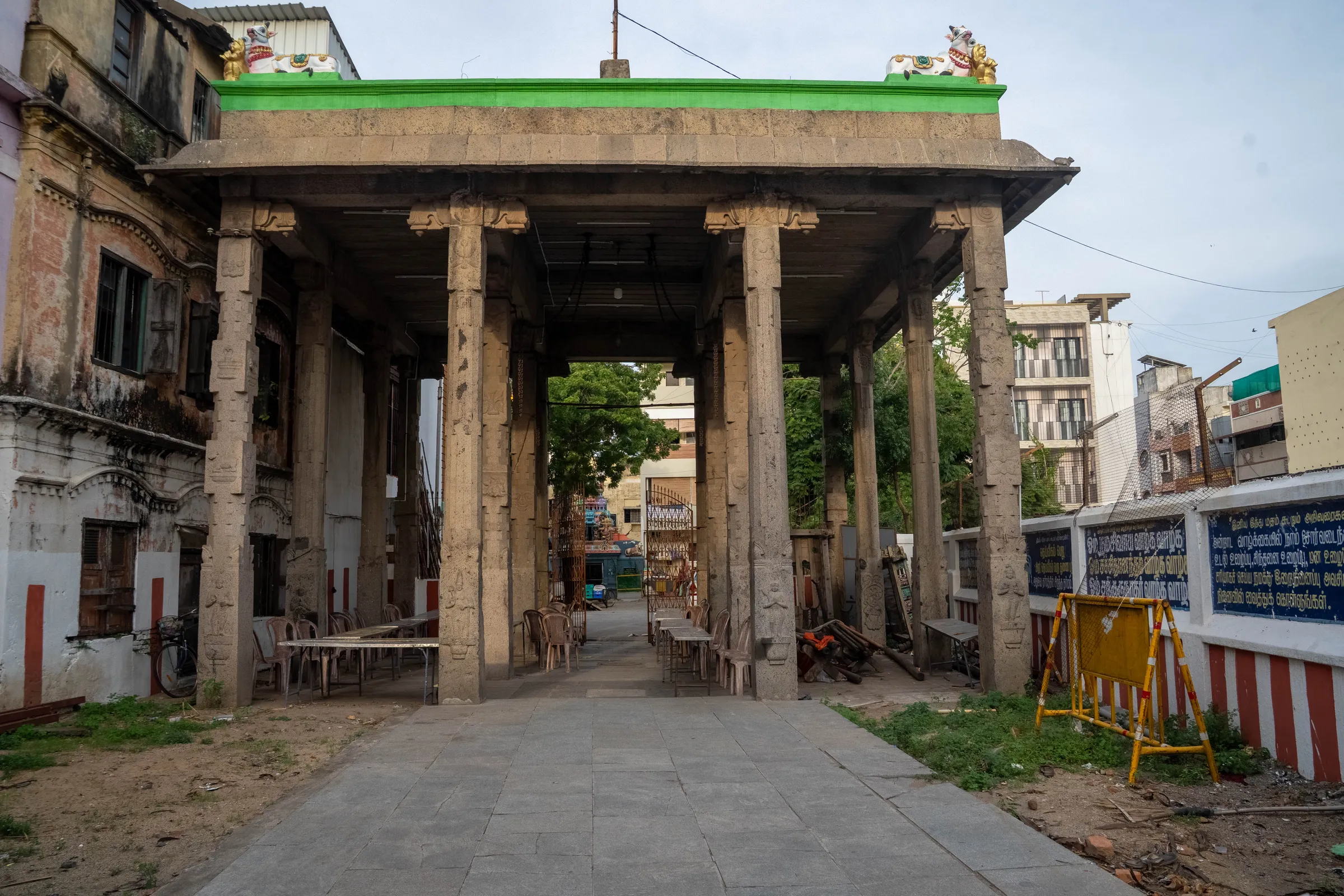
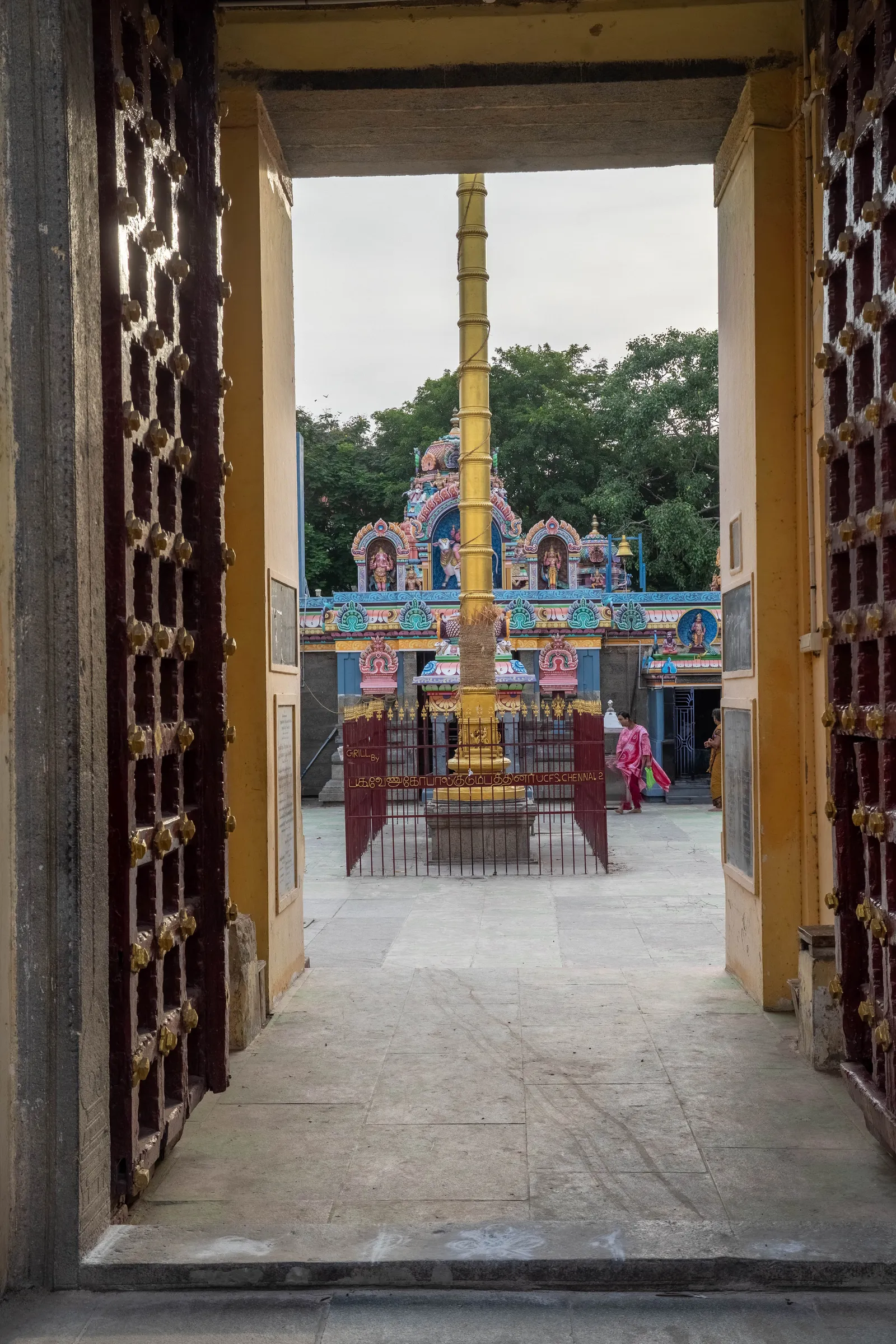
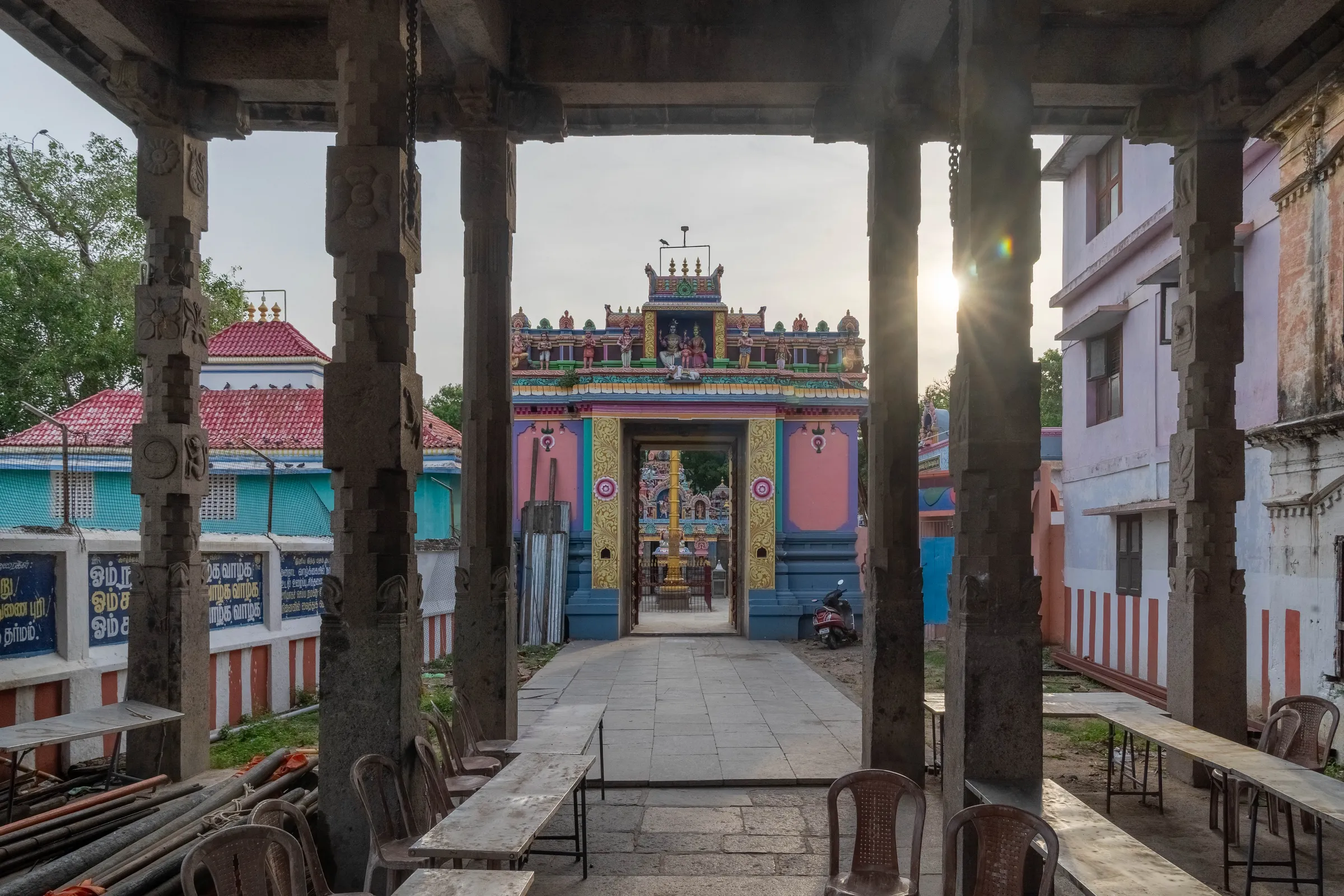
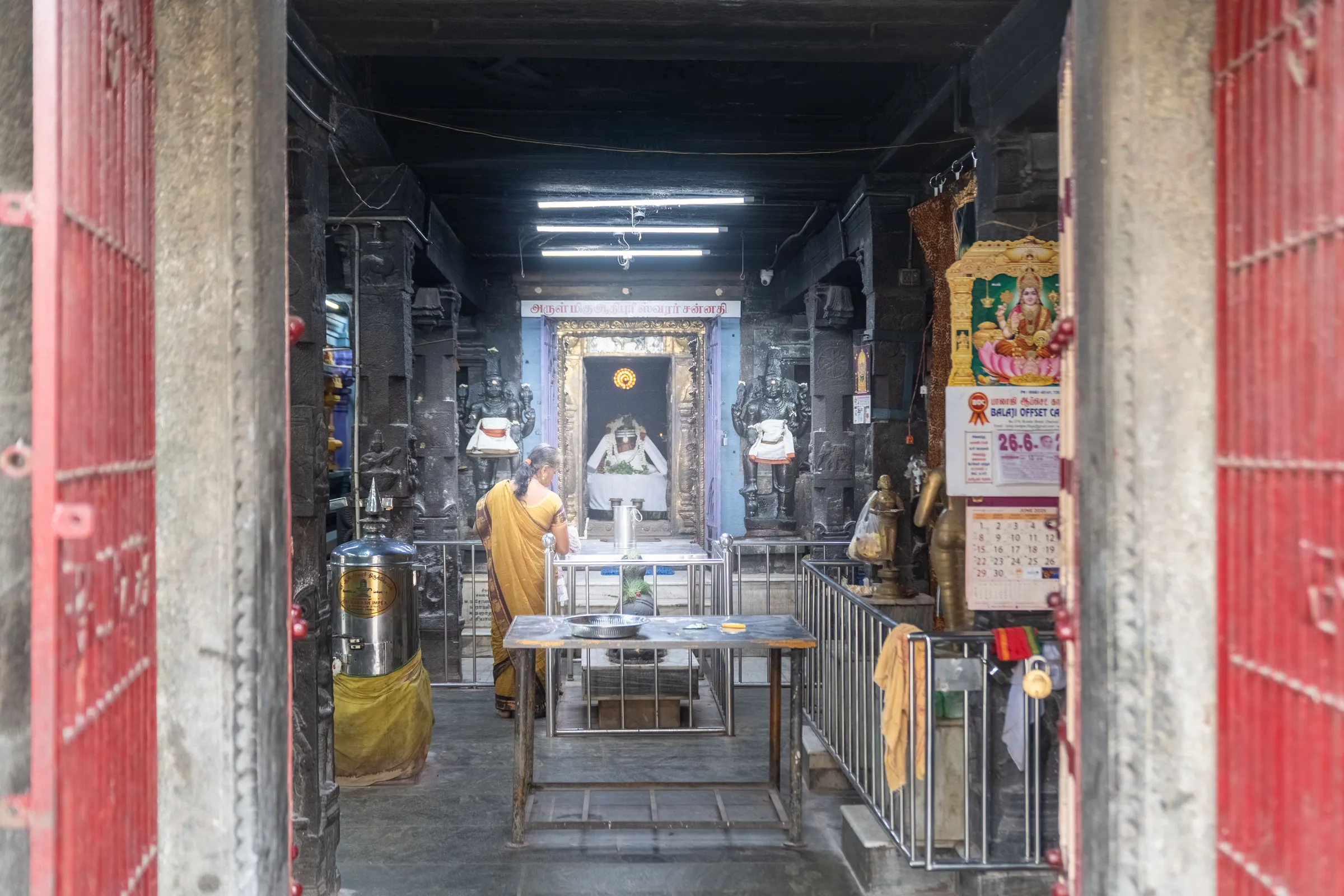
structure & vocabulary Adipureeswara, Śiva, is a swayambhu, self-manifested, linga in the form of an anthill covered with armor. The mound can be seen only on three days, from the full moon day of Karthigai in the November to December month, when it is anointed with fragrant herbal oils. His consort Vadivudaiamman has a separate shrine and is one of the Shakti pithas, Gnana Sakti. There is another shrine for Śiva in the form of Ottreswara.
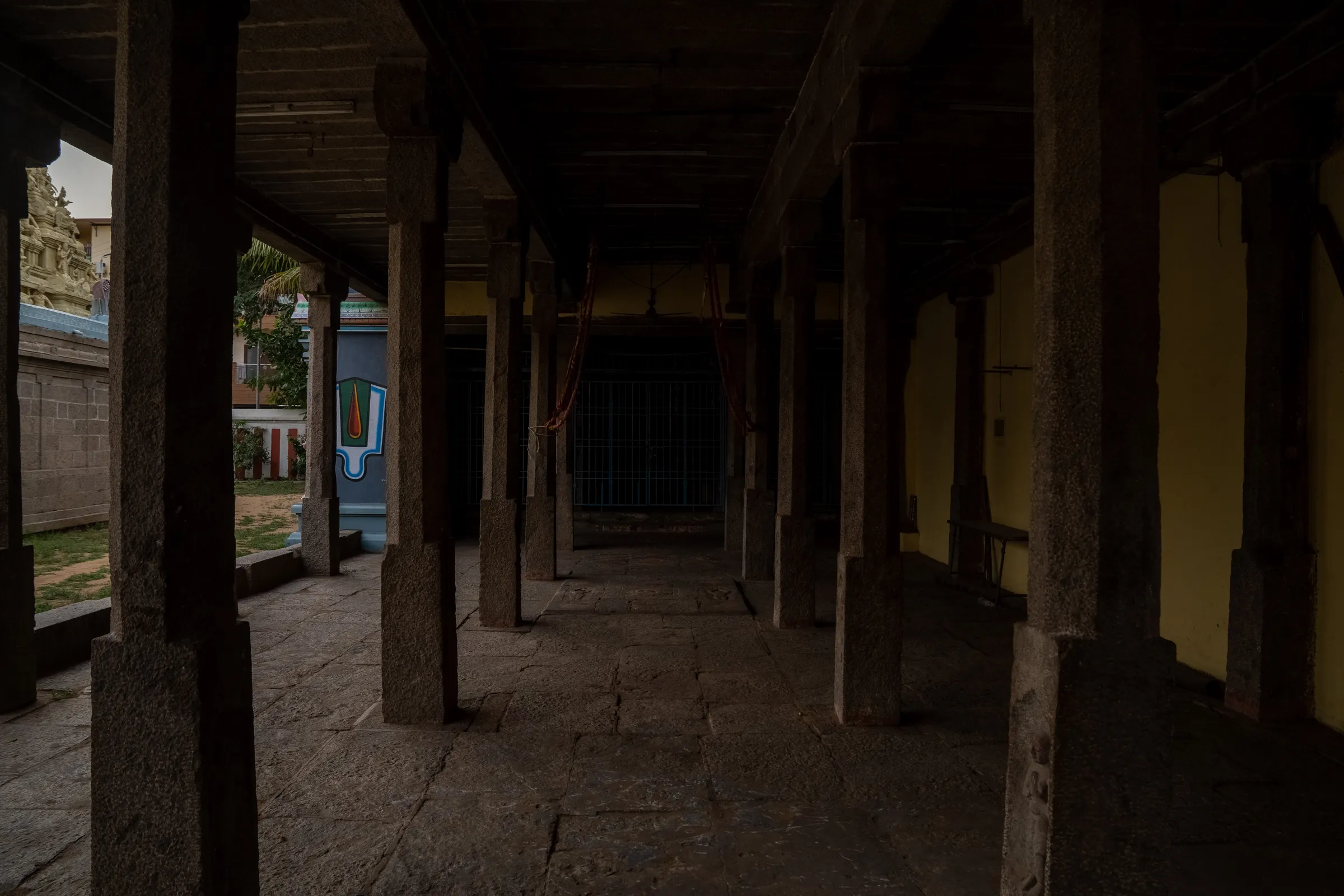
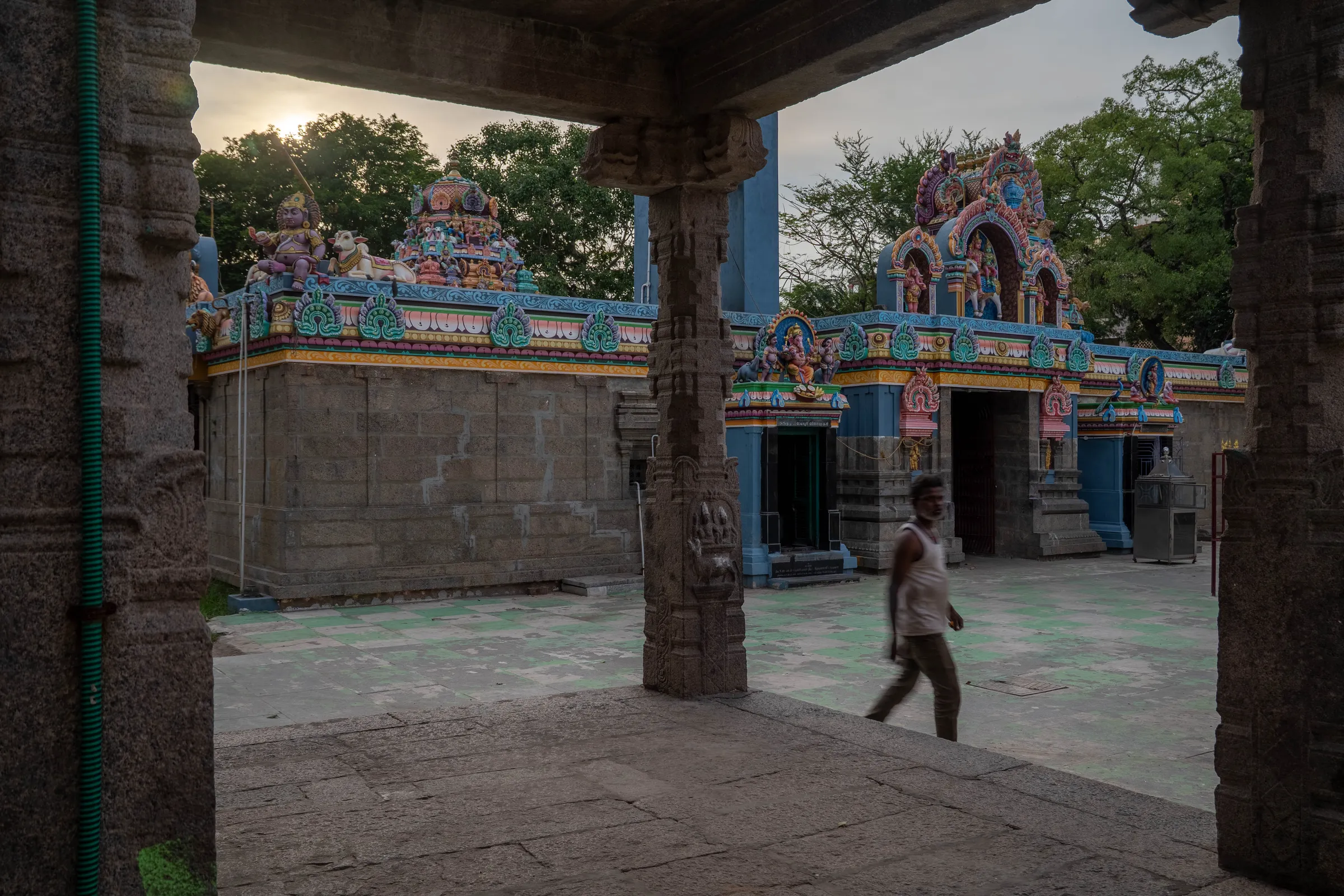
The Nataraja shrine with Sivakami is housed here, and there are shrines for Ganesha, Subramanya, Durga, Chandikeswara, Dakshnamoorthy and many more. Not to be missed is the Eka Pada Murthy in the Nataraja shrine, Brahma, Vishnu and Śiva with one leg. The Vishnu in the Nataraja shrine, the one in the west wall of Adipureeswara and the third in the Gowreeshwar shrine are all indicative of Pallava style, with four hands and the Prayoga Chakra. There is also a shrine for Karanai Vitangadeva.
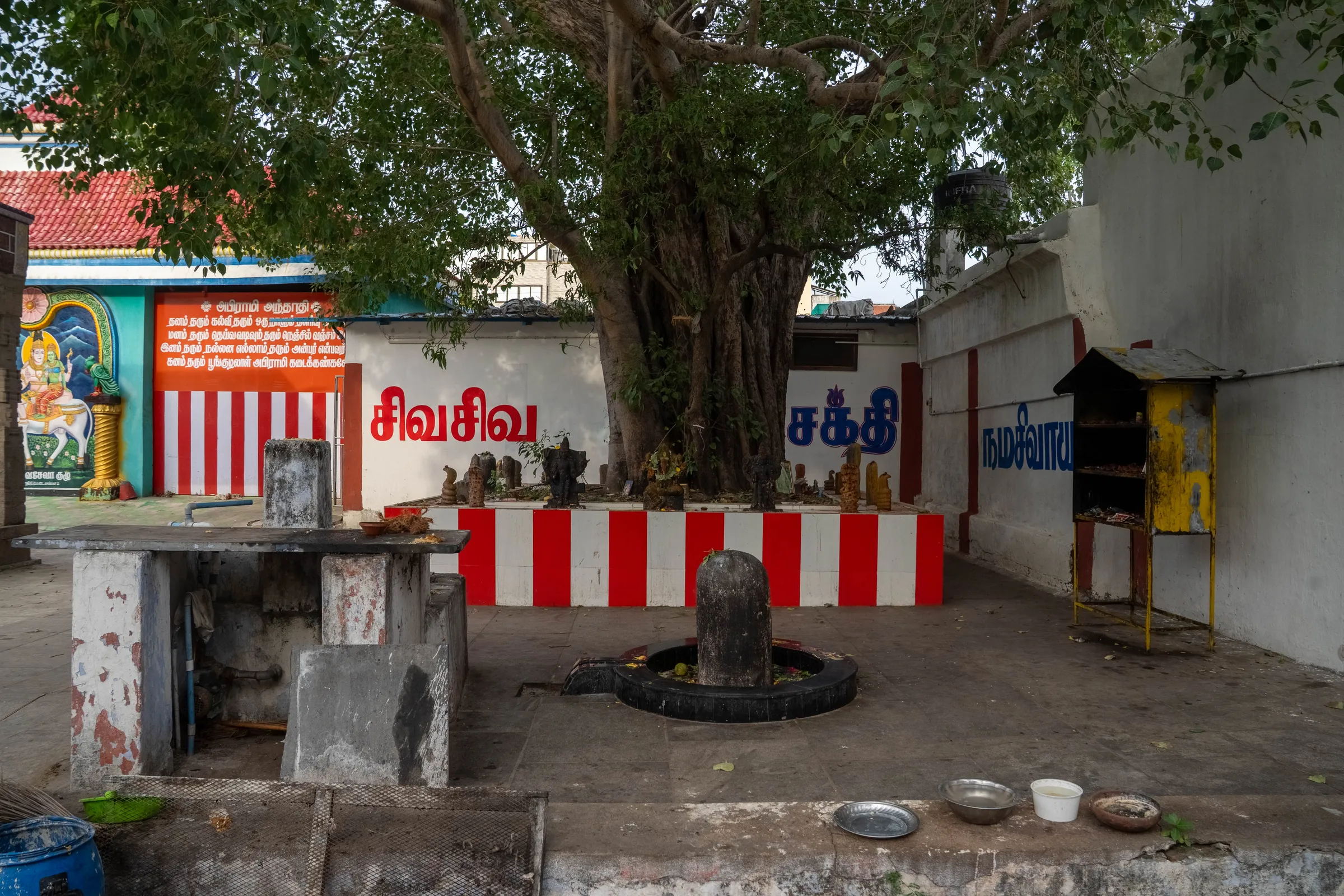
The temple has twin main deities, Adipureeswara and Ottreswara, and Vadivudai Amman and Vattaparai Amman. There are two sthalam vrikshams, Aththi and Makizham, two teerthams, Brahma and Nandi, and two pooja procedures, Karana and Kameeka. The main sanctum is in a gaja pristha shape, a style read as unique to the Thondai Nadu or north Tamil Nadu region.
02 Archaeological
dated & cited It is likely that the original temple is from the Pallava time of the 7th century CE. The Chōḷas in the 11th century CE expanded it, and Rajendra Chōḷa rebuilt the temple. A unique inscription names the architect of the temple as Ravi Silpasari in the reign of Rajendra I, who built the gaja pristha shaped main sanctum. An inscription dated to 1046 CE speaks of the installation of 63 Nayanmars' bronze statues.
During Malik Kafur's invasion, much of the temple was damaged. Later, in the 15th century, the Vijayanagara kings reinstalled the Nayanmars and renovated the temple. Epigraphists believe that Tiruvottiyur's alternate name, Karanai, indicates the presence of Pasupatas at some period. The temple had a tradition of being served by Devaradiyars, with dance teachers called Nattuvanars; the record says Raja Raja III, 1216 to 1260 CE, attended the dance festival of agamarga. The Devaradiyar system fell into difficult times and was abolished, by law, in 1947.
Dating
Likely original Pallava temple of the 7th century CE; expanded by the Chōḷas in the 11th century CE; inscription dated 1046 CE; later reinstalled and renovated by the Vijayanagara kings in the 15th century.
Protection & condition
GroupPadal Petra Sthalam
03 Mythological
as transmitted Legend has it that when Madhu and Kaitabha stole the Vedas and hid them under the sea, with the help of Śiva, the protector Vishnu retrieved them and presented them to Śiva here, who put them in the proper order. Another version is that during the Pralaya, Śiva blessed Brahma with the creation of the world, taking the form of fire and causing the water to recede, otti-vatri meaning receding, and Śiva stayed as an anthill, giving the place the name Tiruvottiyur. A more plausible meaning is otri, mortgage, tied to the town's history as a mercantile center from Chōḷa times.
The Pasupatas and the Kapalikas belong to the ati-marga, the less restrained style of Saivism, with practices that included human and animal sacrifices. Adi Sankara visited the temple and removed their control, and his idol is installed here to commemorate the service. Sapthamatrikas images are found in the Vattaparai Amman shrine; the deity was considered angry, and Sankara installed a Chakra to reduce her anger.